
Natural vs Synthetic Caffeine: What Actually Differs?
Natural and synthetic caffeine describe different sourcing or manufacturing routes to caffeine. The caffeine molecule is the same; the complete products carrying it can still differ substantially. A plant extract may include other compounds, while a finished drink, mint or pouch may add ingredients of its own.
That distinction keeps the comparison useful. The source can matter to a sourcing preference, but it does not by itself prove that a product acts more gently, lasts longer or cannot cause unwanted effects.
Compare origin, quantity and the rest of the formula separately
| Comparison | What to look for | What not to infer |
|---|---|---|
| Caffeine source | A stated plant source or manufacturing description | Natural automatically means safer |
| Caffeine amount | Milligrams per labeled serving | Two equally sized products have equal caffeine |
| Other ingredients | Extract constituents, sweeteners and added ingredients | The caffeine source explains every effect |
| Evidence | Research on the relevant formulation and outcome | A source preference is clinical proof |
For example, comparing an unsweetened coffee with a sweetened energy drink changes several variables at once. Any difference in the experience cannot automatically be attributed to natural versus synthetic caffeine. The serving amount, other ingredients and context also differ.
What a human absorption study found
A randomized crossover study enrolled 16 healthy men and compared 60 mg caffeine from green coffee bean extract with 60 mg synthetic caffeine; 15 completed the study. Peak blood caffeine concentration and measured four-hour exposure were statistically equivalent.
The full report identifies support from Applied Food Sciences. It tested specific drinks under controlled conditions, not every plant extract, every population or any Nectr pouch.
The result is useful evidence against assuming that a botanical origin must change caffeine exposure. It does not establish identical subjective experiences across all products, nor does a short pharmacokinetic study establish long-term safety or superiority.
Why “natural” does not mean caffeine-free
A product can use tea- or coffee-derived caffeine and still provide a clearly labeled caffeine amount. Someone avoiding caffeine should look for its absence, not simply a plant name or a natural-source statement.
The same principle applies to blends. A “clean” front label does not reveal every ingredient, and a natural-source statement does not show whether the product also contains other active substances. Read the complete panel and the amount per unit.
Does synthetic caffeine cause a worse crash?
The source label alone cannot answer that question. To establish a difference, a comparison would need to control the caffeine amount and other ingredients, define what a crash means, and measure it in people using the relevant products.
We do not use customer anecdotes or a manufacturer’s slogan as proof that one source never causes jitters or a later energy dip. A reader’s personal preference can be real without becoming a universal product claim.
Where caffeine anhydrous fits
Caffeine anhydrous describes a water-free form, not a third origin category. A source description and a form description answer different questions. Our caffeine anhydrous guide explains the label distinction and the separate issue of concentrated bulk caffeine.
A better checklist for buying a caffeine product
- Choose the caffeine amount and format you are actually comparing.
- Check the exact source claim if origin matters to you.
- Read all other ingredients and the serving size.
- Look for evidence matching the finished product before accepting a performance promise.
- Compare the delivered cost per labeled unit, not the marketing category.
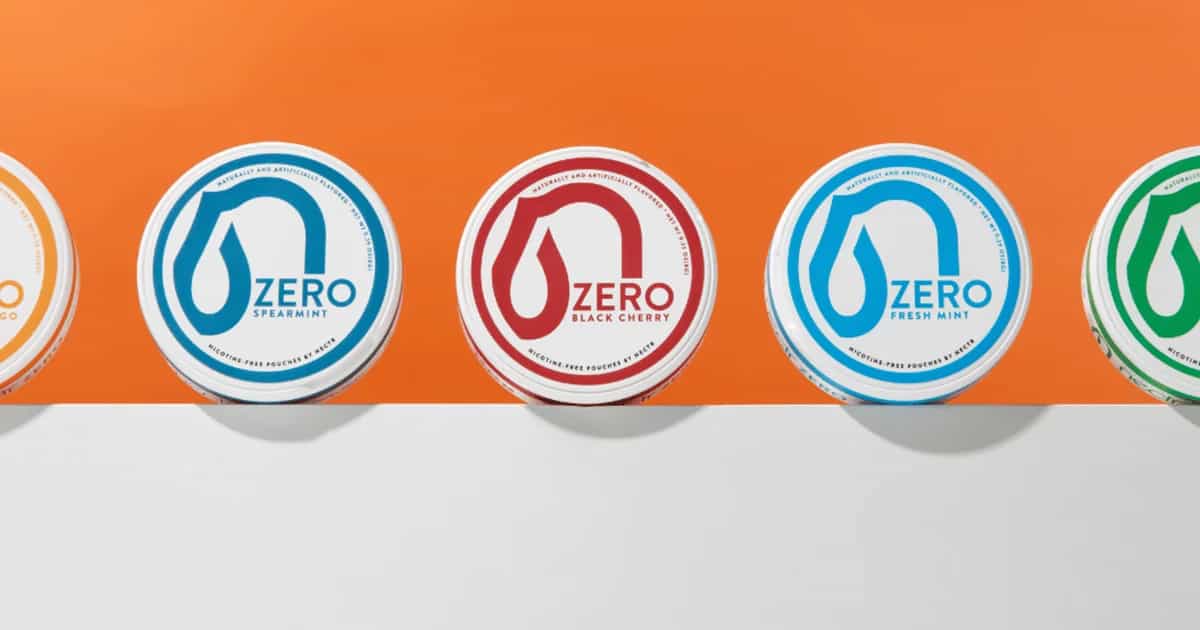
Nectr Energy lists 50 mg caffeine per pouch. Use its current label for the full formula and the Nectr range guide to compare it with Focus+ and caffeine-free Zero. We do not present sourcing alone as proof of a superior effect.
For personal sensitivity and overall caffeine use, consult the FDA’s consumer guidance and a qualified clinician when relevant. More detail on the rest of a pouch formula is in our ingredient guide.
Energy Pouches
View All →


Frequently asked questions
Are natural and synthetic caffeine different molecules?
Caffeine is the same molecule. The source and the other constituents of a finished product can differ.
Did the cited study test caffeine pouches?
No. It compared two specific caffeine-containing drinks under controlled conditions.
Does natural caffeine guarantee no jitters?
No. Origin alone does not establish that outcome or suitability for a particular person.