Caffeine Anhydrous: Meaning, Labels and Product Comparisons
Caffeine anhydrous means caffeine in an anhydrous, or water-free, form. The term describes the ingredient’s form; it does not by itself mean natural, synthetic, stronger in effect or longer-lasting. To compare a finished product, look for the actual caffeine amount per labeled unit.
The most useful distinction is between an ingredient name and a complete consumer product. A finished gum, drink or pouch includes a particular caffeine quantity and other ingredients. A container of concentrated caffeine powder presents a different measurement problem.
What “anhydrous” does and does not tell you
| Question | What the term tells you |
|---|---|
| Is water part of the described caffeine form? | Anhydrous denotes the water-free form |
| Did it come from a plant or synthesis? | The word alone does not establish origin |
| How much caffeine is in one serving? | You still need the amount and serving size |
| Will it act faster than coffee? | The ingredient name alone does not establish this |
| Is the whole product pure caffeine? | No; a finished product can contain many other ingredients |
A label can use caffeine anhydrous as one ingredient in a multi-ingredient formula. That is different from saying the entire pouch or tablet is caffeine. Keep the product’s total weight separate from its labeled caffeine amount.
Compare caffeine milligrams, not scoop or product weight
If one labeled unit contains 50 mg caffeine and another contains 100 mg, the second lists twice the caffeine per unit. That numerical comparison does not establish twice the alertness or an appropriate choice for a particular person.
A 1-gram product is not necessarily a 1-gram caffeine serving. Similarly, the amount of a botanical extract is not always the amount of caffeine it supplies. Read the caffeine declaration itself and check whether it applies to one piece, one pouch or several units.
For a product with more than one caffeine-containing ingredient, look for a clear total caffeine amount. Do not assume that a listed plant extract contributes no caffeine simply because caffeine anhydrous is listed elsewhere on the panel.
Why bulk concentrated caffeine is a separate issue
The FDA warns about pure and highly concentrated caffeine powders and liquids because small measurement errors can have serious consequences. Ordinary kitchen measures are not a reliable way to measure these concentrated products.
This guide does not provide a home-mixing or measuring method. The practical shopping distinction is to identify the finished product and its labeled caffeine amount rather than treating a bulk ingredient as interchangeable with a portioned consumer item.
Natural, synthetic and anhydrous answer different questions
“Natural” or “synthetic” concerns sourcing or production. “Anhydrous” concerns form. They are not three mutually exclusive categories. Our natural versus synthetic caffeine guide explains why origin alone does not establish a better finished product.
A botanical description can be meaningful to someone’s sourcing preference. It still does not remove the need to check caffeine quantity, other ingredients and personal sensitivity. Equally, a technical-sounding ingredient name is not by itself evidence that a product is harmful when used as labeled.
What to check on a pouch label
- Find the caffeine amount and its unit, usually milligrams.
- Confirm whether the amount is per pouch or per multi-pouch serving.
- Read the complete ingredients rather than only the front label.
- Check the manufacturer’s directions and warnings.
- Consider caffeine from drinks, gum, supplements and other sources together.
Nectr Energy lists 50 mg caffeine per pouch. That amount is the relevant comparison point; this article does not assign an ingredient source or delivery advantage merely from the category name. The pouch ingredient guide covers the rest of the label.
Keep the product choice separate from a personal limit
The FDA’s consumer caffeine guidance notes that sensitivity varies. A published amount is not a guarantee of suitability for every adult, and this article does not set an individual daily limit. A clinician can help when medication, pregnancy or a health condition changes that decision.
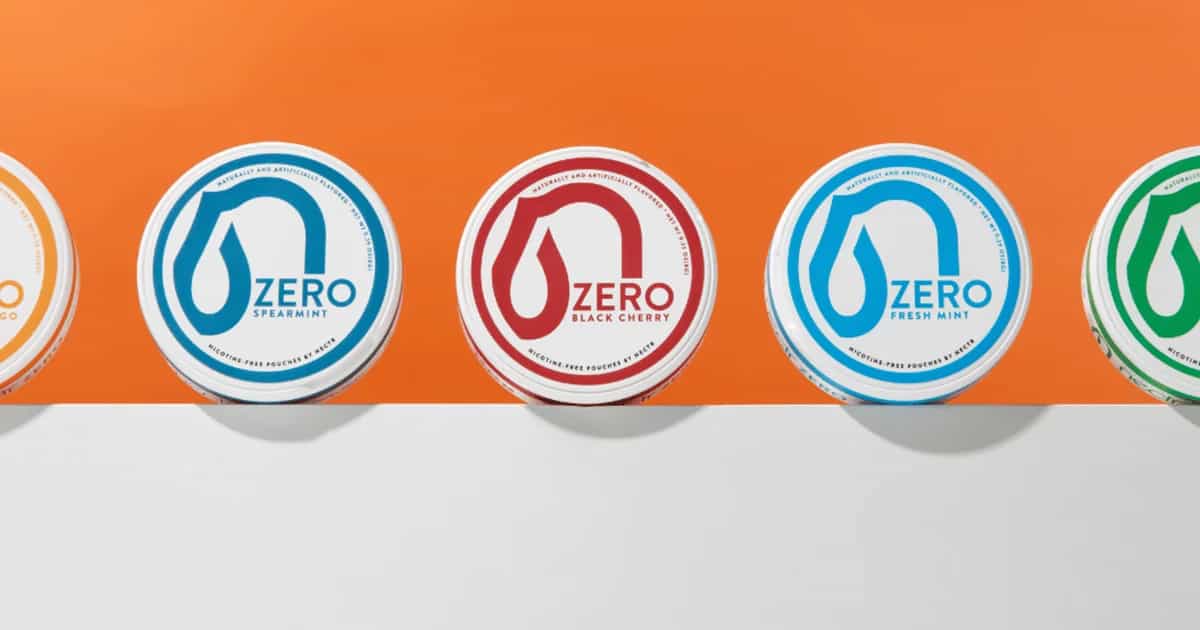
Compare the full Nectr range in our Energy, Focus+ and Zero guide, including a caffeine-free line if that is your requirement.
Energy Pouches
View All →


Frequently asked questions
Is caffeine anhydrous a different stimulant from caffeine?
It is a form of caffeine. The word anhydrous describes the absence of water in that form, not a separate stimulant ingredient.
Does anhydrous automatically mean synthetic?
No. The term alone does not establish the ingredient’s origin.
Can a kitchen spoon accurately measure pure caffeine?
The FDA warns that common kitchen measures are not reliable for pure or highly concentrated caffeine products. This guide does not recommend home measurement or mixing.