
What Is Huperzine A? Evidence, Labels and Safety Questions
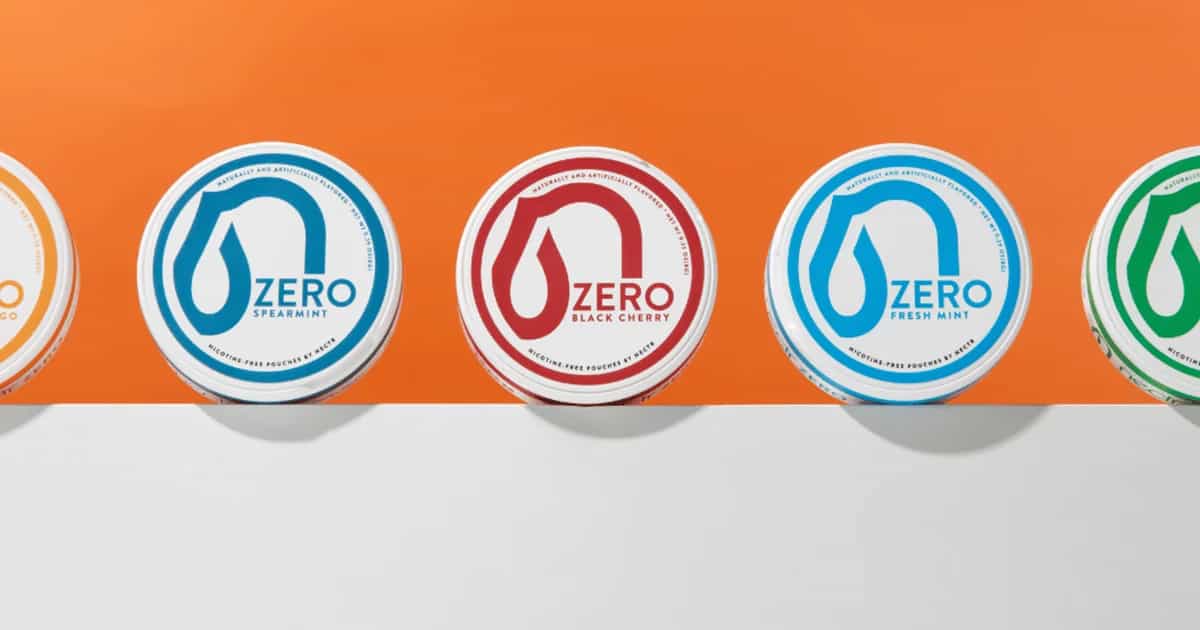
Huperzine A is a compound associated with the plant Huperzia serrata and can also be made in a laboratory. It appears in some products marketed for memory or focus, but its presence on a label does not establish a cognitive benefit in healthy users.
Operation Supplement Safety (OPSS), a U.S. military health resource, highlights limited evidence, potential adverse effects and uncertainty around long-term use. Those questions deserve attention even when the ingredient appears in a familiar consumer format such as a pouch.
Huperzine A and a plant extract are not identical label entries
A product may list huperzine A itself or describe a Huperzia serrata extract. If it lists an extract, check whether the amount of huperzine A within that extract is disclosed. The weight of the entire extract cannot automatically be treated as the weight of its active constituent.
| Label entry | What to clarify |
|---|---|
| Huperzine A in micrograms | The quantity per labeled serving |
| Huperzia serrata extract | Whether huperzine A content is standardized and disclosed |
| A proprietary nootropic blend | Whether an individual huperzine A amount is supplied |
| Several units per serving | Whether the stated amount is per unit or for the whole serving |
Units matter. One milligram equals 1,000 micrograms. Confusing mg with mcg creates a thousandfold labeling error. This conversion is for reading a label, not for measuring or preparing a supplement.
What a healthy-adult exercise trial found
A 2021 randomized crossover trial tested 200 mcg huperzine A versus placebo in 15 exercise-trained adults. It found no improvement in the measured cognitive outcomes and no improvement in the tested exercise-performance measures.
This was a small, acute study in a particular setting. It does not settle every possible research question, but it directly challenges the idea that adding huperzine A automatically improves a healthy user’s performance. The amount studied is not a recommended dose or a target for product stacking.
Why disease research cannot stand in for everyday focus
A study involving a diagnosed condition answers a different question from whether a healthy adult will work or study better after using a consumer pouch. The participants, outcomes, supervision and formulation may all differ.
Do not treat the existence of medical research as permission to claim that a supplement treats Alzheimer’s disease, ADHD or another condition. This article makes no such treatment claim for huperzine A or for Nectr products.
Safety and interaction questions to take seriously
OPSS reports possible effects including nausea, dizziness and reduced heart rate, and flags concerns about combinations with prescription drugs and other supplement ingredients. It also notes uncertainty around U.S. dietary-supplement marketing status and limited long-term safety information.
Discuss the full label with a qualified clinician or pharmacist if you are considering a product containing huperzine A, especially alongside medication or another nootropic formula. Do not assume a small-looking microgram number or a plant origin means interactions are impossible.
How Nectr discloses the ingredient
The current Nectr Focus+ product page lists 30 mcg huperzine A per pouch, alongside caffeine, L-theanine, Alpha-GPC, L-tyrosine and vitamins. That is a manufacturer disclosure, not a claim that this multi-ingredient pouch has demonstrated a clinical cognitive benefit.
View the Focus+ label to inspect the complete formula. If you would prefer a different ingredient profile, use the Nectr product-line comparison and check the current label of the alternative. Do not assume every Nectr line uses the Focus+ formula.
A useful evidence checklist
- Is the amount of huperzine A itself disclosed?
- Does the research involve a relevant population and outcome?
- Was the finished multi-ingredient product actually tested?
- Are adverse effects and limitations discussed alongside potential benefits?
- Has a clinician assessed your own medication and supplement combination?
The nootropic ingredient guide explains related label questions. Disclosure helps comparison; it should not be confused with proof of efficacy or a personal recommendation.
Frequently asked questions
Is huperzine A proven to improve focus in every healthy adult?
No. The cited healthy-adult trial did not show cognitive improvement, and broader claims need stronger, relevant evidence.
Are milligrams and micrograms the same?
No. One milligram is 1,000 micrograms. Keep the units attached to every label amount.
Does every Nectr line contain huperzine A?
Do not generalize across the range. The current Focus+ page lists it; inspect each other line’s own label.