
Caffeine Tolerance: How It Builds, How to Reset It
Short answer: Caffeine tolerance develops in 7–12 days of regular use as your brain upregulates adenosine receptors to compensate for caffeine's blocking effect. Resetting requires 7–14 days of reduced or zero caffeine intake. A gradual taper (reducing 25% per week over 4 weeks) minimizes withdrawal symptoms while fully restoring sensitivity. During your reset, nootropic pouches with Cognizin® Citicoline can maintain focus without caffeine.
How Caffeine Tolerance Develops
Caffeine works by blocking adenosine receptors in the brain. Adenosine is a neurotransmitter that accumulates throughout the day, promoting sleepiness. When caffeine occupies these receptors, adenosine can't bind, and you feel alert instead of tired.
But your brain is adaptive. When adenosine receptors are consistently blocked, the brain responds by growing more adenosine receptors — a process called upregulation. More receptors means more adenosine can bind even in the presence of caffeine. The result: the same dose of caffeine produces less effect. You need more to achieve what one cup used to do.
The Tolerance Timeline
- Day 1–3: Full caffeine sensitivity. One cup of coffee feels significant.
- Day 4–7: Tolerance begins. The same dose feels slightly less effective.
- Day 7–12: Substantial tolerance develops. You may increase your dose to compensate.
- Week 3+: Near-complete tolerance for alertness effects. You now "need" caffeine just to feel normal, rather than elevated.
Interestingly, tolerance develops differently for different effects. Alertness tolerance develops quickly (7–12 days), while tolerance to caffeine's physical performance benefits develops more slowly. This is why athletes can still benefit from pre-workout caffeine even with daily coffee habits.
Signs You Need a Caffeine Reset
- Your morning coffee no longer wakes you up — it just makes you "not groggy"
- You've gradually increased from 1 cup to 3–4+ cups daily
- Skipping a morning coffee gives you a headache by noon
- Afternoon caffeine no longer prevents the 2 PM crash
- You can drink coffee and fall asleep within an hour
- You feel anxious and jittery but still tired — you're overdosing without getting the desired effect
Two Reset Protocols
Option A: Cold Turkey Reset (7–14 Days)
Stop all caffeine immediately. This is the fastest path to full sensitivity reset but comes with withdrawal symptoms: headache (usually days 1–3), fatigue, irritability, difficulty concentrating, and possible depressed mood. Symptoms peak at 24–48 hours and resolve within 7–10 days. Not recommended if you have demanding work or commitments during the first 3 days.
Option B: Gradual Taper Reset (4 Weeks)
Reduce caffeine by 25% each week. This minimizes withdrawal symptoms while achieving the same end result. Most people experience mild fatigue during the taper but avoid the severe headaches and brain fog of cold turkey.
Gradual Taper Protocol
| Week | Daily Caffeine Target | If Using 50mg Pouches | If Using Coffee (8 oz cups) | Expected Symptoms |
|---|---|---|---|---|
| Baseline | Your current intake | e.g., 6 pouches (300 mg) | e.g., 3 cups (~300 mg) | Normal (tolerant) |
| Week 1 (75%) | 225 mg | 4–5 pouches | 2.5 cups | Mild fatigue, slight headache |
| Week 2 (50%) | 150 mg | 3 pouches | 1.5 cups | Moderate fatigue, cravings |
| Week 3 (25%) | 75 mg | 1–2 pouches | 0.75 cups | Low energy, mild brain fog |
| Week 4 (0%) | 0 mg | 0 pouches (use Zero instead) | 0 cups (switch to decaf) | Mild fatigue, clearing by day 5 |
After Week 4, your adenosine receptors have largely downregulated to baseline. When you reintroduce caffeine, the effect will be dramatically stronger — a single 50 mg pouch or half a cup of coffee will feel like three used to.
Maintaining Focus During a Caffeine Break
The biggest challenge of a caffeine reset isn't the withdrawal — it's the productivity loss. If your work depends on sustained focus, going zero-caffeine for a week feels like operating at 60% capacity. This is where non-stimulant nootropics become invaluable.
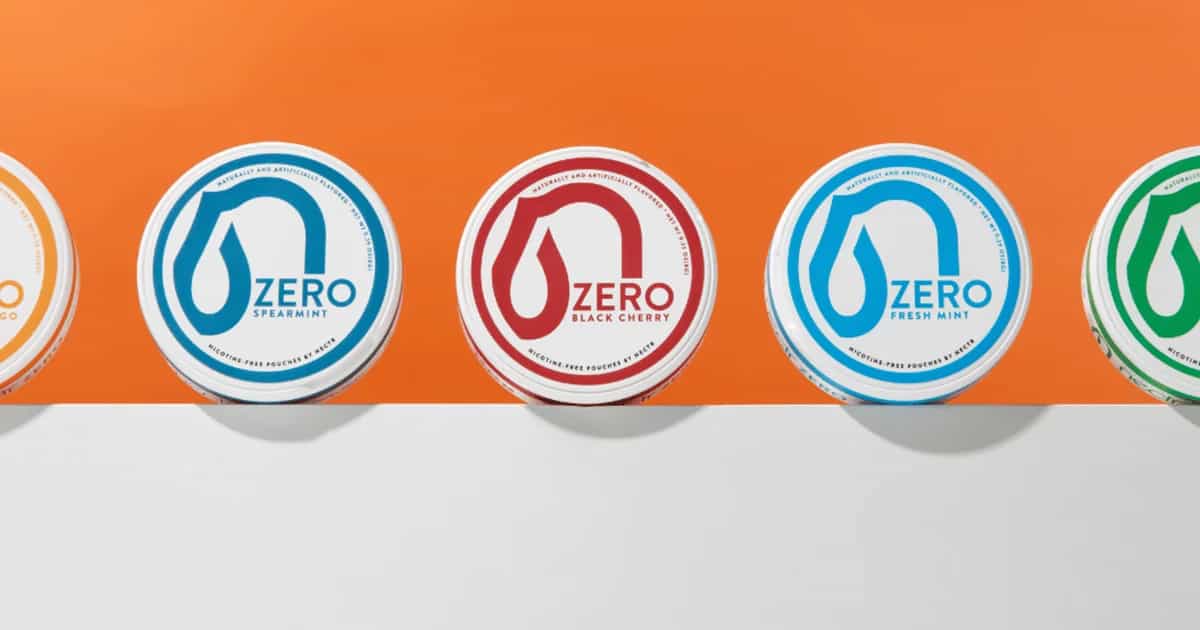
Cognizin® Citicoline supports focus through an entirely different mechanism than caffeine — it enhances acetylcholine production and brain energy metabolism rather than blocking adenosine. Nectr Focus pouches during the taper phase (when you're reducing caffeine) and Nectr Zero pouches during the zero-caffeine week provide cognitive support and the oral habit without reintroducing caffeine.
During your caffeine break, Nectr Zero Pouches keep the ritual alive while Focus Pouches (during taper weeks) support concentration with Cognizin® Citicoline. Build a bundle and save up to 35% on your first order, then 25%.
Caffeine Cycling: Preventing Tolerance Long-Term
Rather than building tolerance and periodically resetting, some people prevent tolerance from fully developing by cycling caffeine intake:
- 5/2 protocol: Use caffeine Monday–Friday, abstain Saturday–Sunday. This slows tolerance development but doesn't fully prevent it.
- 3 weeks on / 1 week off: Use caffeine normally for 3 weeks, then take a full week off. This keeps tolerance at a manageable level and restores most sensitivity during the off week.
- Dose variation: Alternate between higher (200 mg) and lower (50 mg) days. The lower days partially reset tolerance without requiring full abstinence.
The Science: What Happens During a Reset
When caffeine is removed, the extra adenosine receptors your brain grew are no longer needed. Through a process called receptor downregulation, your brain gradually reduces receptor density back toward baseline. This takes approximately 7–12 days for most people, though heavy, long-term users may need up to 3 weeks for complete normalization.
Simultaneously, your brain's baseline dopamine sensitivity improves. Chronic caffeine use slightly dulls dopamine receptor sensitivity. During a reset, dopamine signaling normalizes, which is why many people report improved mood and motivation after completing a caffeine break — even before reintroducing caffeine.
Frequently Asked Questions
How long does it take to reset caffeine tolerance?
Most people achieve significant tolerance reversal in 7–14 days of zero caffeine. A 4-week gradual taper achieves the same result with fewer withdrawal symptoms. Heavy long-term users (5+ cups daily for years) may benefit from a full 2–3 week zero-caffeine phase.
Will I get a headache when I stop caffeine?
Probably, if you quit cold turkey. Caffeine withdrawal headaches typically start 12–24 hours after your last dose and peak at 24–48 hours. They're caused by rebound vasodilation (caffeine constricts blood vessels; when it's removed, vessels expand, causing pressure). Over-the-counter pain relievers can help. The gradual taper protocol minimizes or eliminates this symptom.
How much caffeine does it take to build tolerance?
Any daily dose builds some tolerance. Research suggests that as little as 100 mg/day (one cup of coffee or two Nectr pouches) consumed consistently for 7–12 days produces measurable tolerance. Higher doses build tolerance faster. Occasional use (2–3 times per week) produces minimal tolerance.
Can I drink decaf during a reset?
Yes, but be aware that decaf coffee contains 2–15 mg of caffeine per cup. This is low enough that it won't significantly delay your reset, but if you're drinking 5 cups of decaf, you're still getting 10–75 mg of caffeine. One or two cups of decaf is fine during a reset.
Is caffeine tolerance permanent?
No. Caffeine tolerance is fully reversible. The adenosine receptor upregulation that causes tolerance reverses completely when caffeine is removed for a sufficient period. This is one of the appealing aspects of caffeine compared to many other substances — you can always get the magic back.
Should I reset if I only drink one cup of coffee a day?
One cup daily still builds tolerance, but the practical effect is minimal. If that one cup still makes you feel alert, you probably don't need a reset. If you've noticed it doesn't do much anymore, a brief 7-day break will restore its effectiveness. Low-dose users recover sensitivity the fastest.