Oral Pouches Explained: The Complete Category Guide for 2026
Short answer: Oral pouches are small, pre-portioned packets placed between the lip and gum that deliver active ingredients through the oral mucosa. Types include nicotine pouches (Zyn, On!), caffeine pouches (Nectr Energy), nootropic pouches (Nectr Focus), CBD pouches, and herbal pouches. The category has grown from a niche Swedish tradition to a global market worth billions.
A Brief History of Oral Pouches
The oral pouch concept originates from Swedish snus, a moist tobacco product used since the 18th century. In the early 2000s, manufacturers began experimenting with tobacco-free nicotine pouches — removing the tobacco leaf entirely while retaining the nicotine in a white, synthetic pouch. Zyn, launched by Swedish Match in 2014, popularized this format in the United States.
The breakthrough insight was that the pouch format could deliver virtually any active ingredient. By 2022, caffeine pouches emerged. By 2024, nootropic and functional ingredient pouches entered the market. The delivery mechanism — sublingual/buccal absorption through the oral mucosa — works for any small, bioavailable molecule.
How Oral Pouches Work
When you place an oral pouch between your lip and gum, saliva activates the pouch material, dissolving the active ingredients. These compounds then absorb through the thin mucous membrane lining your cheek and gums (buccal absorption) directly into the bloodstream. This bypasses the digestive system, avoiding first-pass liver metabolism and delivering faster onset than swallowed supplements.
Anatomy of a Pouch
- Outer material: Typically a food-grade, plant-based nonwoven fiber (similar to a tea bag)
- Fill material: A blend of plant-based fibers, flavoring, sweetener, pH adjusters, and the active ingredient(s)
- Active ingredient: Varies by type — nicotine, caffeine, citicoline, CBD, herbal extracts, etc.
- pH adjusters: Sodium carbonate or similar compounds that optimize the pH for mucosal absorption
Types of Oral Pouches
Nicotine Pouches
The largest category by market share. Brands include Zyn, On!, Velo, and Rogue. Nicotine strengths range from 2 mg to 8 mg per pouch. Used by smokers and vapers as a harm-reduction alternative and by some users recreationally. Nicotine is highly addictive. These are not the same as functional caffeine or nootropic pouches.
Caffeine Pouches
Nectr Energy pouches contain 50 mg of caffeine — roughly equivalent to half a cup of coffee. Designed as a coffee and energy drink alternative: no liquid, no brewing, no sugar, no crash. Caffeine pouches are the fastest-growing sub-category in functional pouches.
Nootropic Pouches
Nectr Focus pouches combine moderate caffeine with Cognizin® Citicoline, a clinically studied nootropic that supports memory, focus, and brain energy metabolism. This category targets knowledge workers, students, and anyone seeking cognitive enhancement without prescription stimulants.
Stimulant-Free Pouches
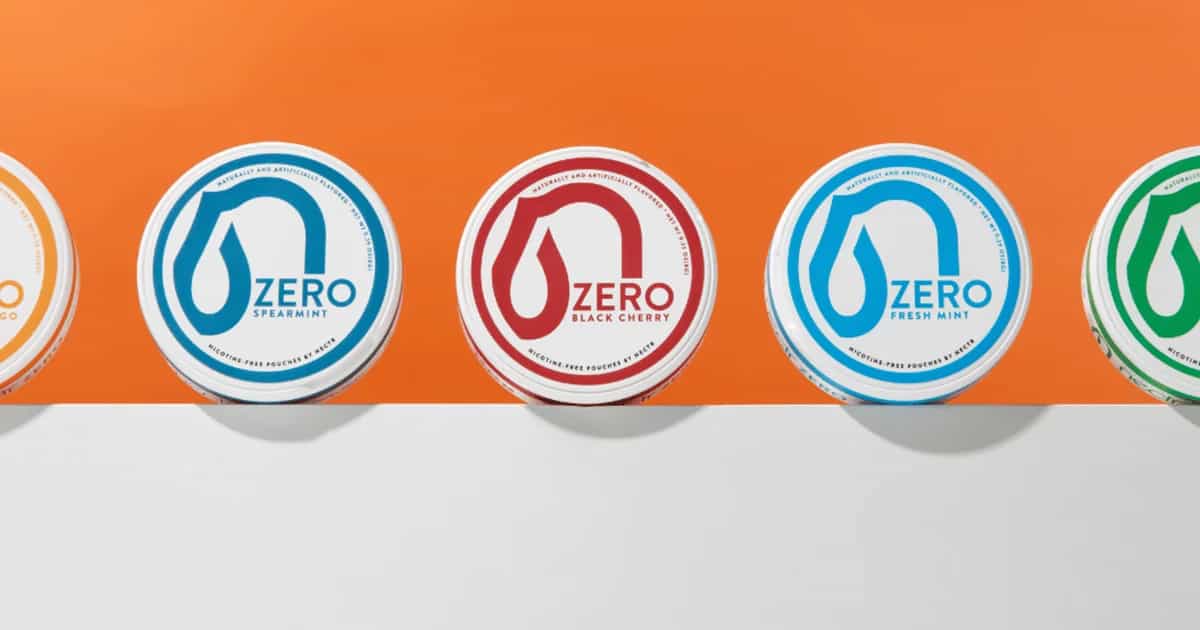
Nectr Zero pouches contain no caffeine and no nicotine. They provide the oral ritual and functional ingredients without any stimulant. Useful for evening use, caffeine-sensitive individuals, or people transitioning off nicotine who want to maintain the oral habit.
CBD Pouches
CBD (cannabidiol) pouches deliver hemp-derived CBD through buccal absorption. Marketed for stress relief and relaxation. The CBD pouch market is smaller and more heavily regulated, with legality varying by state. CBD is not addictive but evidence for cognitive or energy benefits is limited.
Herbal Pouches
Herbal pouches contain plant extracts like chamomile, lavender, or adaptogenic herbs. They're the newest and smallest category, targeting relaxation or wellness without any pharmacologically active compound. Evidence is generally anecdotal.
Oral Pouch Categories Compared
| Type | Active Ingredient | Purpose | Addiction Risk | Legal Status (US) | Example Brand |
|---|---|---|---|---|---|
| Nicotine | Nicotine (2–8 mg) | Satisfaction / cessation aid | High | Legal (age-restricted) | Zyn, On!, Velo |
| Caffeine | Caffeine (50 mg) | Energy, alertness | Low (physical dependence) | Legal | Nectr Energy |
| Nootropic | Caffeine + Cognizin® | Focus, memory | Low | Legal | Nectr Focus |
| Stimulant-Free | Functional blend (no caffeine) | Oral ritual, wellness | None | Legal | Nectr Zero |
| CBD | Cannabidiol (5–25 mg) | Relaxation, stress | None | Legal (federally, varies by state) | Various |
| Herbal | Plant extracts | Wellness, relaxation | None | Legal | Various |
Nectr Energy, Focus, and Zero pouches deliver real ingredients without nicotine. Build a bundle and save up to 35% on your first order, then 25%.
How to Use an Oral Pouch
- Open the can and remove one pouch
- Place it between your upper lip and gum (either side)
- Leave it in for 20–40 minutes as the active ingredients absorb
- Remove and dispose — most cans have a compartment for used pouches
You may feel a mild tingling when the pouch activates — this is normal and indicates the active ingredients are releasing. No chewing or sucking is needed. Some people prefer to occasionally shift the pouch's position for comfort.
Safety Considerations
Non-nicotine oral pouches have a strong safety profile. They contain no tobacco, produce no smoke or vapor, and deliver controlled doses of well-studied ingredients. The main consideration is ingredient-specific: caffeine pouches carry the same precautions as any caffeine source (don't exceed 400 mg/day, avoid before bed). The pouch material itself is food-grade and non-toxic if accidentally swallowed.
Frequently Asked Questions
Are oral pouches bad for your gums?
Research on nicotine pouches shows minimal gum irritation with regular use. Non-nicotine pouches are even gentler since nicotine itself is a mild vasoconstrictor. If you notice persistent irritation, alternate the side you place your pouch on. The oral mucosa is one of the fastest-healing tissues in the body.
Can you swallow the pouch?
You shouldn't swallow the pouch intentionally, but accidental swallowing is not dangerous. The pouch material is food-grade and will pass through your digestive system. The active ingredients would be absorbed more slowly through gastric absorption than through the oral mucosa.
How are caffeine pouches different from nicotine pouches?
The delivery mechanism is identical — both use sublingual/buccal absorption through the oral mucosa. The critical difference is the active ingredient. Nicotine is highly addictive and activates dopamine reward pathways. Caffeine causes physical dependence but not clinical addiction. Nectr pouches contain zero nicotine.
Do oral pouches stain your teeth?
White, tobacco-free pouches do not stain teeth. Traditional Swedish snus (which contains tobacco) can cause staining. All Nectr pouches are white, tobacco-free, and non-staining.
How many pouches can you use per day?
For caffeine pouches, the limiting factor is total caffeine intake. At 50 mg per pouch, you could use up to 8 pouches before reaching the FDA's 400 mg daily guideline. Most users find 2–4 pouches per day sufficient. For Nectr Zero (no caffeine), there's more flexibility since there's no stimulant to manage.
Are pouches better than energy drinks?
Pouches eliminate sugar, artificial sweeteners, carbonation, liquid volume, and the acid that energy drinks deliver. They also provide more precise dosing (50 mg vs. 150–300 mg in most energy drinks). For people who want controlled caffeine without the baggage of energy drinks, pouches are a cleaner format.