Caffeine-Free Coffee Alternatives: 11 Drinks That Actually Energize
Short answer: The best caffeine-free coffee alternatives include mushroom coffee, chicory root, golden milk, rooibos tea, dandelion root coffee, and functional pouches like Nectr Zero. Each delivers energy through different mechanisms — adaptogens, circulation boosters, or nootropics — without caffeine dependency.
Why People Quit Coffee (But Still Want Energy)
Coffee is the world's most popular stimulant, but it's not for everyone. Anxiety, acid reflux, sleep disruption, afternoon crashes, and caffeine dependency drive millions of people to seek alternatives each year. The good news: caffeine isn't the only pathway to energy. Your body has multiple energy systems, and several compounds can activate them without touching adenosine receptors.
The 11 Best Caffeine-Free Coffee Alternatives
1. Mushroom Coffee (Chaga, Reishi, Lion's Mane Blends)
Mushroom coffee blends combine adaptogenic fungi with roasted grains or chicory for a coffee-like taste. Lion's Mane supports nerve growth factor (NGF) production, while Reishi modulates cortisol. Most blends contain zero caffeine, though some mix in small amounts of actual coffee. Check labels carefully. Taste similarity to real coffee: 6/10.
2. Chicory Root Coffee
Chicory root has been a coffee substitute since the Civil War. When roasted and brewed, it produces a dark, slightly bitter liquid that's remarkably close to coffee. It's rich in inulin, a prebiotic fiber that supports gut health. Taste similarity: 7/10 — the closest to actual coffee flavor.
3. Golden Milk (Turmeric Latte)
Turmeric's active compound curcumin is a potent anti-inflammatory. Combined with black pepper (piperine increases curcumin absorption by 2,000%), coconut milk, and cinnamon, golden milk provides a warming ritual and reduced inflammation-related fatigue. Energy mechanism: anti-inflammatory recovery. Taste similarity to coffee: 3/10 — entirely different but satisfying.
4. Rooibos Tea (Red Bush Tea)
South African rooibos is naturally caffeine-free and rich in antioxidants including aspalathin, which may help regulate blood sugar. Stable blood sugar means stable energy. Brew it strong with milk for a latte-like experience. Taste similarity: 4/10.
5. Dandelion Root Coffee
Roasted dandelion root produces a dark, earthy brew that tastes surprisingly like coffee. It supports liver function and acts as a gentle digestive stimulant. The liver support angle is interesting — better detoxification pathways can reduce the fatigue associated with metabolic sluggishness. Taste similarity: 6/10.
6. Nectr Zero Pouches
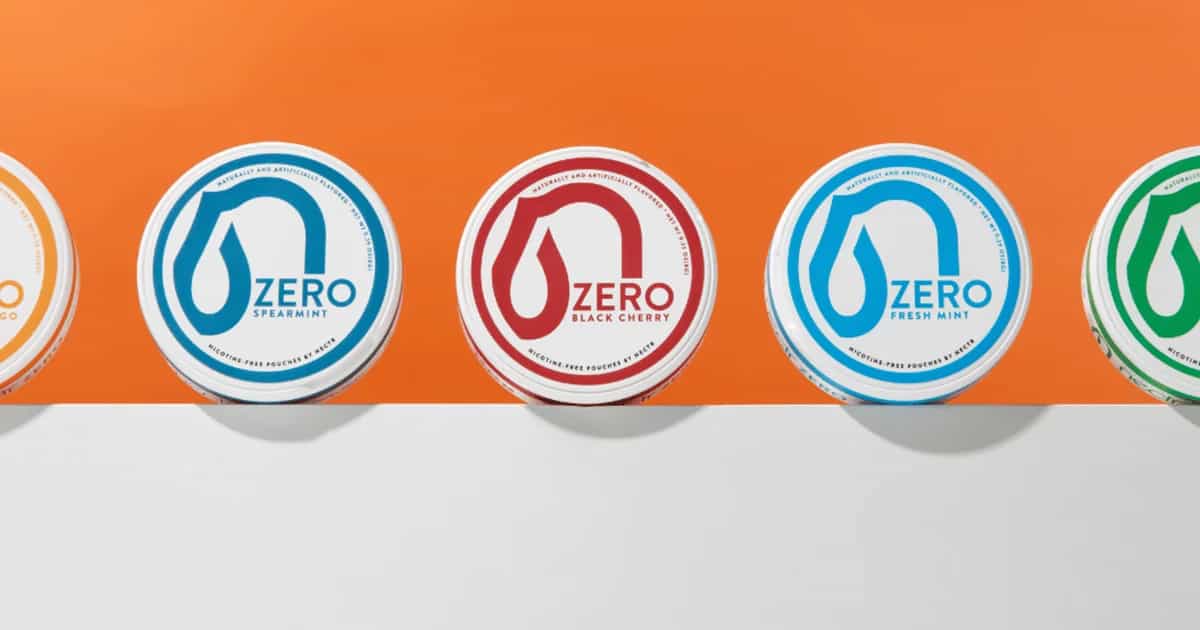
Nectr Zero pouches take a completely different approach. Instead of mimicking coffee's taste, they deliver functional ingredients through sublingual absorption — no brewing, no cups, no cleanup. Zero caffeine, zero nicotine. They're designed for people who want the oral ritual and a cognitive edge without any stimulant. Taste similarity to coffee: 0/10 — but that's the point. They replace the habit, not the flavor.
7. Carob
Carob powder, when roasted, produces a naturally sweet, chocolate-coffee hybrid flavor. It contains pinitol, a compound that may support blood sugar regulation, and is rich in calcium and magnesium. Mix with hot water or milk. Taste similarity: 5/10.
8. Barley Coffee (Caffè d'Orzo)
Popular in Italy, roasted barley brewed like espresso produces a nutty, malty drink. It's gentle on the stomach and contains B-vitamins that support cellular energy production. Taste similarity: 5/10 — more grain-forward than coffee but satisfying.
9. MUD\WTR
A branded blend of masala chai, cacao, turmeric, Lion's Mane, Chaga, Reishi, and cinnamon. It has 1/7th the caffeine of coffee from its chai and cacao base (about 35mg per serving). Not truly caffeine-free, but low enough that most caffeine-sensitive people tolerate it. Taste similarity: 5/10.
10. Adaptogen Blends (Ashwagandha + Rhodiola)
Powdered adaptogen blends mixed with hot water or milk provide stress-modulating energy. Ashwagandha lowers cortisol while Rhodiola enhances oxygen utilization. Neither contains caffeine. The energy comes from reducing the fatigue caused by chronic stress. Taste similarity: 2/10 — earthy and herbal.
11. Peppermint or Ginger Tea (Stimulating Herbals)
Peppermint activates cold receptors (TRPM8) that increase alertness, while ginger improves circulation and blood flow to the brain. Both are zero-caffeine. Research shows peppermint aroma alone can improve cognitive performance and reduce fatigue. Taste similarity: 1/10 — completely different, but energizing in their own right.
Caffeine-Free Alternatives Compared
| Alternative | Caffeine | Taste vs. Coffee | Energy Mechanism | Cost/Serving |
|---|---|---|---|---|
| Mushroom Coffee | 0 mg* | 6/10 | Adaptogens, NGF support | $1.50–$3.00 |
| Chicory Root | 0 mg | 7/10 | Prebiotic gut support | $0.30–$0.60 |
| Golden Milk | 0 mg | 3/10 | Anti-inflammatory | $0.75–$1.50 |
| Rooibos Tea | 0 mg | 4/10 | Blood sugar regulation | $0.20–$0.50 |
| Dandelion Root | 0 mg | 6/10 | Liver support | $0.25–$0.60 |
| Nectr Zero Pouches | 0 mg | N/A (oral pouch) | Nootropic blend | $0.80–$1.20 |
| Carob | 0 mg | 5/10 | Blood sugar support | $0.40–$0.80 |
| Barley Coffee | 0 mg | 5/10 | B-vitamins | $0.30–$0.60 |
| MUD\WTR | ~35 mg | 5/10 | Adaptogens + low caffeine | $2.00–$2.50 |
| Adaptogen Blends | 0 mg | 2/10 | Stress modulation | $1.00–$2.00 |
| Peppermint/Ginger Tea | 0 mg | 1/10 | Circulation, TRPM8 activation | $0.15–$0.40 |
*Some mushroom coffee blends contain small amounts of actual coffee. Always check labels.
Nectr Zero Pouches deliver functional energy without caffeine or nicotine. No brewing required. Build a bundle and save up to 35% on your first order, then 25%.
How to Choose the Right Alternative
Your ideal coffee replacement depends on why you're quitting. If you miss the taste, start with chicory root or dandelion root. If you want cognitive support, try mushroom coffee or Nectr Zero pouches. If you're managing stress-related fatigue, adaptogen blends may be the best fit. Many people combine several — a chicory root "coffee" in the morning with a Zero pouch during afternoon focus blocks.
Frequently Asked Questions
What tastes closest to coffee without caffeine?
Chicory root coffee rates highest for taste similarity at roughly 7/10. It produces a dark, slightly bitter brew that can fool casual coffee drinkers, especially with milk and sweetener. Dandelion root is a close second at 6/10.
Can you get energy without any caffeine at all?
Yes. Your body produces energy through ATP synthesis, which doesn't require caffeine. Adaptogens reduce cortisol-driven fatigue, anti-inflammatory compounds reduce inflammation-related tiredness, and nootropics support neurotransmitter production. Caffeine is one tool among many.
Are caffeine-free alternatives safe during pregnancy?
Most herbal alternatives are considered safe in moderation, but always consult your healthcare provider. Chicory root should be avoided in large quantities during pregnancy. Rooibos and peppermint tea are generally considered safe.
How long does caffeine withdrawal last?
Caffeine withdrawal typically peaks at 24–48 hours and resolves within 2–9 days. Headaches, fatigue, and irritability are the most common symptoms. Gradually tapering over 1–2 weeks reduces withdrawal severity significantly.
Do mushroom coffees actually work?
Lion's Mane has the strongest evidence, with multiple studies showing it supports nerve growth factor production and may improve mild cognitive impairment. Reishi and Chaga have more limited human evidence but strong animal and in-vitro data. Effects are subtle and build over weeks of consistent use.
What's the cheapest caffeine-free coffee alternative?
Peppermint tea and rooibos tea are the most affordable at $0.15–$0.50 per serving. Chicory root and dandelion root are also budget-friendly. Premium options like mushroom coffee and branded blends cost $1.50–$3.00 per serving.