
Zyn vs Dip: Health Risks, Ingredients & Why People Switch
Short answer: Zyn is significantly cleaner than dip. Smokeless tobacco dip (Copenhagen, Grizzly, Skoal) contains real tobacco with measurable carcinogens, causes gum recession, stains teeth, and carries oral cancer risk. Zyn is tobacco-free with no detectable carcinogens. Both deliver nicotine and are addictive. For people ready to drop nicotine entirely, nicotine-free pouches maintain the oral habit without any of the risks.
What Is Dip?
Zero Pouches
View All →


Dip (also called "chewing tobacco," "smokeless tobacco," or "dipping tobacco") refers to moist, fire-cured or air-cured tobacco products placed between the lip and gum. Major brands include Copenhagen, Grizzly, Skoal, Kodiak, and Red Seal. The tobacco is typically shredded or cut and packaged in round cans.
Dip has been used in the US for over 200 years and remains popular in rural areas, blue-collar workplaces, and among military personnel. About 6 million Americans use smokeless tobacco products.
Full Comparison: Zyn vs Dip vs Nectr
| Factor | Zyn | Dip (Copenhagen, Grizzly) | Nectr (Nicotine-Free) |
|---|---|---|---|
| Contains tobacco | No | Yes — ground/shredded tobacco leaf | No |
| Carcinogens (TSNAs) | Undetectable/negligible | Significant — 28 known carcinogens | None |
| Oral cancer risk | No established link (too new for long-term data) | Yes — well-documented increased risk | No known risk |
| Gum damage | Mild irritation possible | Significant — recession, lesions common | Minimal |
| Teeth staining | Minimal to none | Severe — brown/yellow discoloration | None |
| Spit required | No | Yes (most users spit) | No |
| Nicotine per dose | 3 mg or 6 mg | 10–25+ mg per pinch (varies) | 0 mg |
| Ingredients | Nicotine salt, plant fiber, flavorings | Tobacco, salt, water, flavorings, preservatives | Caffeine, Cognizin® Citicoline, plant fiber, flavorings |
| Pouch/format | Pre-portioned white pouch | Loose (or pre-portioned "pouches" with tobacco) | Pre-portioned white pouch |
| Smell | Mild mint/flavor | Strong tobacco odor | Mild flavor |
| Social acceptability | High — discreet, no spit | Low — visible, spit cup needed | High — discreet, no spit |
| Addiction potential | High | Very high (higher nicotine per dose) | None |
| Price per can | $4.50–6.00 | $3.00–8.00 (varies by brand/state) | $5.99 (MSRP) |
Health Risks: The Critical Differences
Carcinogens
This is the biggest difference between dip and Zyn. Smokeless tobacco contains at least 28 known carcinogens, including tobacco-specific nitrosamines (TSNAs) like NNN and NNK. These form during the curing and fermentation process of tobacco leaf. Fire-cured products (like many American dips) have higher TSNA levels than air-cured or pasteurized products.
Zyn contains no tobacco and no detectable TSNAs. By removing the tobacco leaf entirely, you remove the primary source of carcinogens in the product.
Oral Cancer
The relationship between American smokeless tobacco and oral cancer is well-established in medical literature. The National Cancer Institute cites increased risk of cancers of the mouth, esophagus, and pancreas among smokeless tobacco users. The risk correlates with duration and frequency of use.
Zyn has no established oral cancer link. However, the product is less than a decade old in the US market — there simply hasn't been enough time for long-term epidemiological studies. The theoretical risk is much lower due to the absence of carcinogens, but "no evidence of risk" is not the same as "evidence of no risk."
Gum Damage
Dip causes visible, measurable gum damage. Regular dippers develop leukoplakia (white patches), gum recession, and tissue lesions at the site where they place tobacco. These effects are well-documented and often visible within a few years of regular use. The combination of abrasive tobacco particles, nicotine-induced vasoconstriction, and direct carcinogen exposure damages soft tissue progressively.
Zyn causes less gum irritation. Some users report mild soreness or irritation at the placement site, particularly with the 6 mg strength, but the smooth, plant-fiber pouch is much gentler on tissue than loose-cut tobacco. No studies have linked Zyn to leukoplakia or the severe gum lesions seen with dip.
Nicotine Levels
Dip delivers significantly more nicotine per dose than Zyn. A typical pinch of Copenhagen or Grizzly delivers 10–25+ mg of nicotine, depending on how much you use and how long you keep it in. Zyn maxes out at 6 mg per pouch. This is why some dippers initially find Zyn unsatisfying — they're accustomed to much higher nicotine doses.
Why Dippers Are Switching to Pouches
The shift from dip to nicotine pouches is one of the biggest trends in the tobacco industry. Here's why:
- No spit — The spit cup is the #1 reason people switch. Zyn produces no excess saliva and requires no spitting, making it usable in offices, meetings, cars, and social settings.
- No tobacco stink — Dip has a strong, unmistakable tobacco odor. Zyn smells like mint or fruit.
- No teeth staining — Years of dip use cause severe brown discoloration. Zyn doesn't stain.
- Health concerns — Many long-term dippers switch after a dental checkup reveals gum damage, or after learning about the carcinogen content of their product.
- Social pressure — Spitting into a bottle is increasingly unacceptable in workplaces and social settings.
- Cleaner experience — No loose tobacco getting stuck in teeth, no gritty residue, no mess.
The Challenge: Nicotine Satisfaction
The biggest obstacle for dippers switching to Zyn is nicotine dose. Going from 15–25 mg per pinch to 6 mg per pouch is a significant reduction. Many dippers initially use two Zyn pouches at once or switch between Zyn and reduced dip use before fully transitioning. The adjustment period typically takes 2–4 weeks.
The Harm Reduction Ladder
Health professionals increasingly view the nicotine product landscape as a harm reduction continuum:
- Cigarettes — highest risk (combustion + tar + carbon monoxide + carcinogens)
- Dip/chewing tobacco — high risk (carcinogens + oral tissue damage)
- Snus (Swedish, pasteurized) — moderate risk (some TSNAs, but lower)
- Nicotine pouches (Zyn) — lower risk (no tobacco, no carcinogens)
- Nicotine-free pouches (Nectr) — lowest risk (no nicotine, no tobacco, no carcinogens)
Each step down the ladder reduces harm. The ideal endpoint is no nicotine dependence at all.
Nectr Energy Pouches deliver the same lip-pouch ritual with 50 mg caffeine — no nicotine, no tobacco, no carcinogens. Focus Pouches add Cognizin® Citicoline for cognitive support. Build a bundle and save up to 35% on your first order, then 25%.
Looking for a Nicotine-Free Alternative?
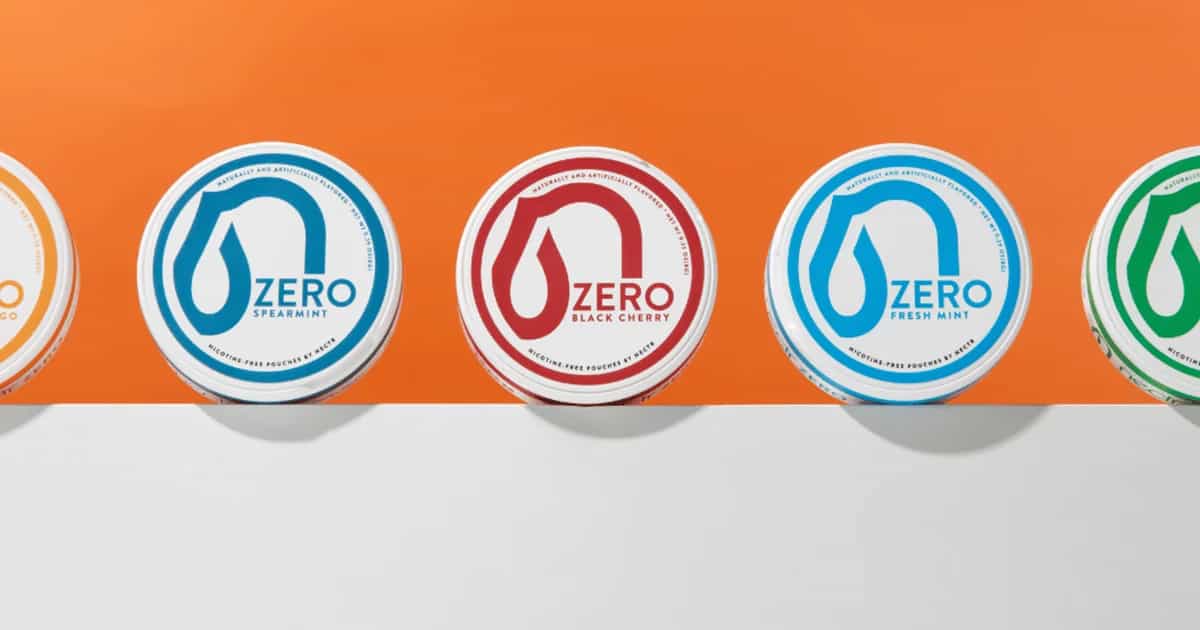
If you've already made the switch from dip to nicotine pouches — congratulations, that's a meaningful harm reduction step. The next step is dropping nicotine entirely. Nectr Energy Pouches give you the same discreet, spit-free pouch experience with caffeine for energy instead of nicotine. Zero Pouches have no stimulants at all — just the satisfying oral ritual.
Same format. Same convenience. Zero addiction.
Frequently Asked Questions
Is Zyn better for you than dip?
By most measures, yes. Zyn contains no tobacco, no detectable carcinogens, causes less gum damage, doesn't stain teeth, and doesn't require spitting. The primary remaining risk is nicotine addiction. However, Zyn is too new for long-term health studies — we know dip's risks over decades, while Zyn's long-term profile is still theoretical.
Can you get cancer from Zyn like dip?
Dip contains 28+ known carcinogens. Zyn contains no tobacco and has undetectable levels of carcinogens. The theoretical cancer risk from Zyn is much lower, but no product can be declared cancer-free without decades of epidemiological data. What we can say: the carcinogens present in dip are absent in Zyn.
Do Zyns damage your gums?
Some Zyn users report mild gum irritation at the placement site, especially with the 6 mg strength. However, the damage is far less severe than what dip causes. Dip users commonly develop leukoplakia, gum recession, and tissue lesions — conditions not reported with Zyn use at comparable rates.
Is Zyn a good way to quit dipping?
Many former dippers have successfully used Zyn as a transition tool. The main challenge is the lower nicotine dose (6 mg max vs. 15–25+ mg in dip). Most recommend an adjustment period of 2–4 weeks. Zyn eliminates the carcinogens and oral tissue damage associated with dip while maintaining nicotine delivery.
Are there nicotine-free alternatives to both Zyn and dip?
Yes. Nectr Energy Pouches provide the same oral pouch format with caffeine instead of nicotine. They're designed for people who want the habit and ritual without nicotine dependence. Focus Pouches add Cognizin® Citicoline for cognitive support, and Zero Pouches contain no stimulants at all.
How much more nicotine does dip have than Zyn?
Significantly more. A typical pinch of Copenhagen or Grizzly delivers 10–25+ mg of nicotine. Zyn's strongest pouch is 6 mg. Dip delivers roughly 2–4x more nicotine per use, which is why the transition can be challenging for heavy dippers.
Does Zyn require spitting like dip?
No. Zyn pouches are spit-free. You place the pouch under your lip and discard it after use. No spit cup, no mess, no tobacco residue. This is one of the primary reasons dippers switch to Zyn.
Can you use Zyn and dip at the same time?
Some people transition by using both products, gradually reducing dip usage while increasing Zyn usage. This dual-use approach is a common stepping-stone strategy, though the goal should be fully transitioning away from dip and eventually away from nicotine altogether.