
Black Tea vs Coffee: Caffeine Comparison & Health Tradeoffs
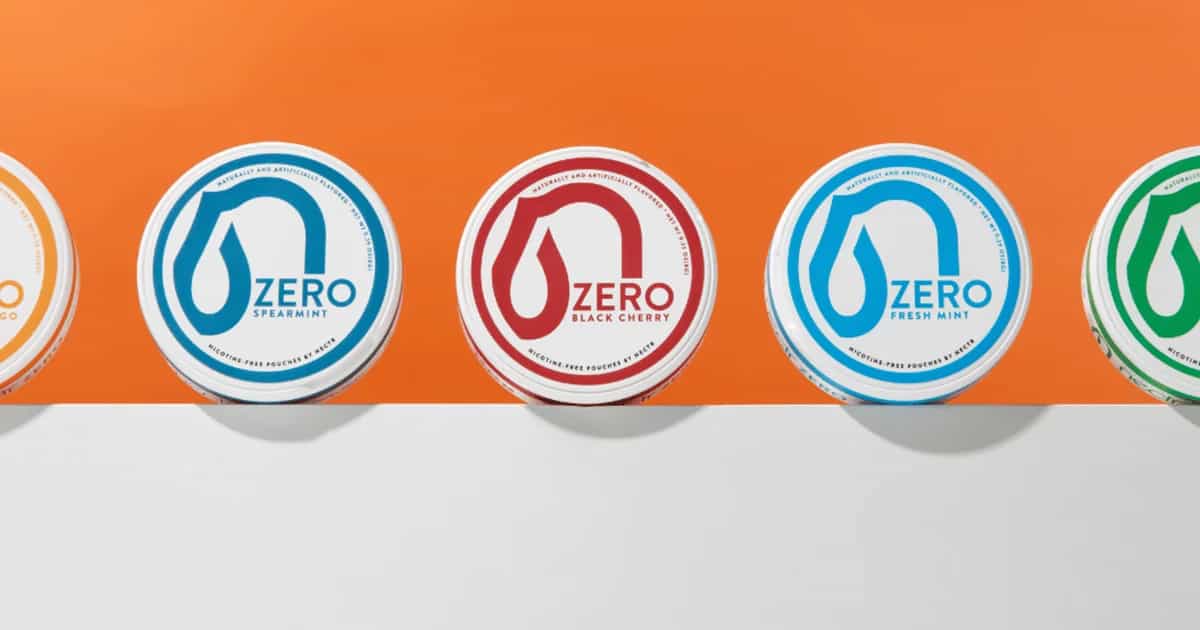
Black tea contains 40–70 mg of caffeine per 8 oz cup, roughly half to two-thirds the caffeine in a standard cup of coffee (80–100 mg). Both beverages have been consumed for centuries and offer distinct health benefits, but they differ significantly in tannin content, acidity, teeth staining potential, and gut health effects. For people who want moderate caffeine without brewing or staining concerns, caffeine pouches provide 50 mg per pouch — right in the sweet spot between black tea and coffee — with zero liquid and zero staining.
Key Takeaways
Energy Pouches
View All →


- Black tea: 40–70 mg caffeine per cup. Coffee: 80–100 mg per cup.
- Black tea has higher tannin content, while coffee has higher acidity.
- Both stain teeth, but through different mechanisms (tannins vs chromogens).
- Coffee has stronger research support for liver health and physical performance.
- Black tea's theaflavins offer unique cardiovascular benefits not found in coffee.
- Caffeine pouches (50 mg) split the difference — no liquid, no staining, no acidity.
Caffeine Comparison: Black Tea vs Green Tea vs Coffee vs Pouches
| Metric | Black Tea (8 oz) | Green Tea (8 oz) | Drip Coffee (8 oz) | Caffeine Pouch |
|---|---|---|---|---|
| Caffeine (mg) | 40–70 | 25–50 | 80–100 | 50 |
| Tannins | High | Moderate | Low | None |
| Antioxidants | Theaflavins, thearubigins | EGCG, catechins | Chlorogenic acid | N/A |
| Acidity (pH) | 4.9–5.5 | 7–10 | 4.5–5.5 | Neutral |
| Teeth Staining | High (tannins) | Low–Moderate | High (chromogens) | None |
| Cost per Serving | $0.15–$0.50 | $0.25–$1.00 | $0.50–$1.50 | ~$1.00 |
Tannins vs Chlorogenic Acid: What's in Your Cup
One of the biggest chemical differences between black tea and coffee is their polyphenol profiles:
Black tea's tannins (theaflavins and thearubigins) are created during the oxidation process that turns green tea leaves into black tea. They give black tea its characteristic astringent, slightly bitter taste and dark color. Tannins bind to proteins and iron in your digestive system, which is why drinking black tea with meals can reduce iron absorption by up to 60%.
Coffee's chlorogenic acid is a potent antioxidant that gives coffee its slight bitterness and acidity. Unlike tannins, chlorogenic acid does not significantly affect mineral absorption. However, it stimulates stomach acid production, which is why coffee causes heartburn and acid reflux in some people.
Teeth Staining: The Uncomfortable Truth
Both black tea and coffee stain teeth, but they do it differently:
- Black tea stains through tannin binding. Tannins are sticky polyphenols that adhere to tooth enamel and attract chromogens (color compounds). Studies show black tea actually stains teeth more than coffee over time.
- Coffee stains through chromogens — pigmented compounds that bind directly to enamel. Coffee stains tend to be more yellow-brown, while tea stains tend to be more gray-blue.
Neither stains permanently, but both require regular whitening maintenance. Caffeine pouches eliminate the staining issue entirely — no liquid touches your teeth. The pouch sits against your gum, delivering caffeine sublingually without any contact with tooth enamel.
Gut Health: Tea vs Coffee
Your stomach and intestines respond very differently to these two beverages:
- Black tea is mildly acidic (pH 4.9–5.5) and its tannins have a soothing effect on the digestive lining. Black tea may reduce intestinal inflammation and support healthy gut bacteria. However, drinking strong black tea on an empty stomach can cause nausea in some people.
- Coffee is highly acidic (pH 4.5–5.5) and stimulates gastric acid secretion. This is beneficial for digestion in moderate amounts but can cause heartburn, acid reflux, and stomach discomfort — especially on an empty stomach or in people with GERD.
If gut issues are driving your beverage choices, caffeine pouches bypass the digestive system entirely. Sublingual absorption means zero stomach acid, zero reflux, and zero digestive irritation.
Health Benefits: Black Tea vs Coffee
Black Tea's Unique Advantages
- Cardiovascular health: Theaflavins improve endothelial function and reduce LDL oxidation. Three cups daily is associated with 11% lower risk of heart disease.
- Blood sugar regulation: Black tea polyphenols slow carbohydrate digestion and reduce post-meal blood sugar spikes.
- Gut microbiome: Black tea polyphenols act as prebiotics, promoting growth of beneficial gut bacteria (Bifidobacterium and Lactobacillus).
- Bone density: Regular tea consumption is associated with higher bone mineral density in older adults.
Coffee's Unique Advantages
- Liver protection: 3–4 cups daily reduces liver cirrhosis risk by up to 80% and liver cancer risk by 40%.
- Neuroprotection: Regular consumption is associated with 30–60% lower Parkinson's risk and reduced Alzheimer's risk.
- Physical performance: Higher caffeine content makes coffee a superior ergogenic aid for endurance and power output.
- Type 2 diabetes: Each daily cup is associated with 6% lower risk of type 2 diabetes.
Cultural Context: The World's Two Caffeine Traditions
Black tea and coffee represent the two dominant caffeine cultures on Earth. The UK, India, China, Japan, Turkey, and most of the Middle East are tea-first cultures. The Americas, continental Europe, and Scandinavia lean heavily toward coffee. Australia sits in the middle with a strong coffee culture (especially espresso) but increasing tea appreciation.
The rise of caffeine pouches represents something new — a caffeine format that belongs to neither tradition. No ceremony, no brewing, no cultural baggage. Just precise caffeine delivery for people who care more about the result than the ritual.
Nectr Energy Pouches deliver 50 mg caffeine without touching your teeth — no tannins, no chromogens, no staining. Need focus support too? Focus Pouches add Cognizin® Citicoline. Build a bundle and save up to 35% on your first order, then 25%.
When to Choose Black Tea vs Coffee vs Pouches
- Choose black tea if you want moderate caffeine, enjoy the ritual, want cardiovascular benefits from theaflavins, and do not mind potential teeth staining.
- Choose coffee if you want maximum caffeine per serving, prioritize liver health and neuroprotection, and can tolerate the acidity.
- Choose a caffeine pouch if you want precise dosing (50 mg), zero staining, zero acidity, total portability, and no brewing required.
Frequently Asked Questions
Does black tea have more caffeine than coffee?
No. Black tea contains 40–70 mg of caffeine per 8 oz cup, while drip coffee contains 80–100 mg. Coffee has roughly 40–60% more caffeine per serving than black tea. However, strong black teas like Assam or English Breakfast can reach up to 70 mg, narrowing the gap with weaker coffees.
Is tea or coffee better for your stomach?
Black tea is generally gentler on the stomach due to slightly lower acidity and the soothing properties of tannins. Coffee stimulates gastric acid production more aggressively, which can cause heartburn and reflux. However, individual tolerance varies significantly — some people tolerate coffee better than strong black tea. If stomach issues are a primary concern, caffeine pouches bypass the digestive system entirely.
Does black tea stain teeth more than coffee?
Yes, research suggests black tea stains teeth more than coffee over time. Tea's tannins bind to enamel more readily than coffee's chromogens, creating a stickier base for discoloration. The staining is typically gray-blue (tea) vs yellow-brown (coffee). Both require regular whitening maintenance, and both can be avoided entirely by switching to caffeine pouches.
Can I drink black tea instead of coffee?
Absolutely. Black tea's caffeine content (40–70 mg) provides meaningful alertness for most people. If you are switching from coffee, you may notice slightly less intensity initially — consider drinking two cups of black tea to approximate one cup of coffee during the transition. Many coffee-to-tea switchers report fewer jitters, better sleep, and reduced acid reflux within the first week.
How many cups of black tea equal one coffee?
Roughly 1.5–2 cups of black tea equal one cup of drip coffee in terms of caffeine. If your black tea is on the stronger end (Assam, 70 mg/cup) and your coffee is moderate (80 mg/cup), you need about 1.2 cups. If your tea is mild (English Breakfast bag, 40 mg/cup) and your coffee is strong (pour over, 100 mg/cup), you need 2.5 cups to match.
What about caffeine pouches for tea drinkers?
Nectr Energy Pouches at 50 mg per pouch sit right between strong black tea and moderate coffee — making them a natural fit for tea drinkers who want a convenient caffeine boost without switching to coffee. No liquid, no staining, no acidity, and the sublingual delivery provides a smooth, tea-like energy curve without the sharp spike of coffee.