
Caffeine Pouches vs Coffee: Which Is Better for You?
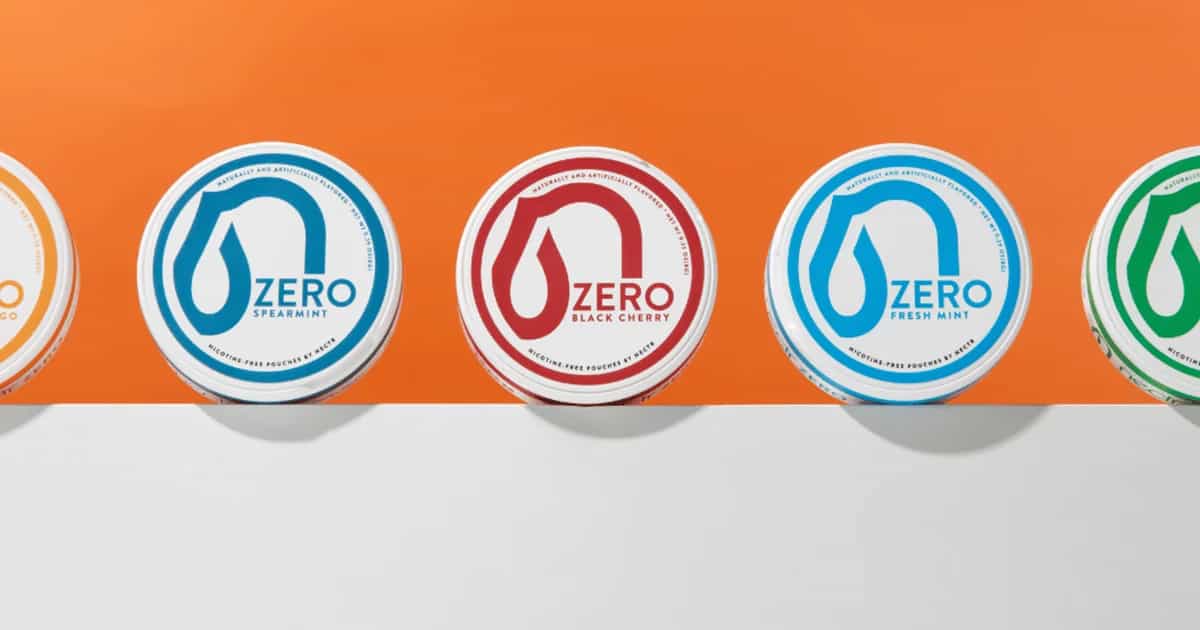
Short answer: Coffee provides more caffeine per serving and comes with well-documented antioxidant benefits. Caffeine pouches deliver caffeine faster (sublingual vs. digestive absorption), contain zero calories and sugar, don't stain teeth, and cost less per serving. Neither is objectively "better" — the right choice depends on your situation, but caffeine pouches win on portability, speed, and dental health.
The Case for Coffee
Let's start with what coffee does well, because it deserves credit. Coffee is one of the most studied beverages on Earth, and the research is overwhelmingly positive for moderate consumption:
- Rich in antioxidants: Coffee is the #1 source of antioxidants in the Western diet. Chlorogenic acids and other polyphenols have documented anti-inflammatory and neuroprotective effects.
- Health benefits: Regular coffee consumption is associated with reduced risk of Parkinson's disease, Alzheimer's, type 2 diabetes, certain cancers, and liver disease.
- The ritual: Brewing, pouring, smelling, and sipping coffee is a deeply satisfying ritual for billions of people. This psychological and social benefit is real and should not be dismissed.
- Widely available: Coffee is available everywhere on the planet, in countless forms.
The Case for Caffeine Pouches
Caffeine pouches solve specific problems that coffee cannot:
- Speed: Sublingual absorption delivers caffeine to the bloodstream in 5-15 minutes. Coffee takes 15-45 minutes, depending on stomach contents.
- Zero dental damage: Coffee stains teeth (tannins bind to enamel) and its acidity erodes enamel over time. Caffeine pouches don't contact teeth at all.
- True portability: A can of pouches fits in your pocket. No liquid, no cup, no spills, no temperature requirements.
- Precise dosing: Each Nectr Energy pouch contains exactly 50mg. Coffee varies from 60mg to 120mg+ per cup depending on brew method, bean, and grind.
- Zero calories: Black coffee has ~5 calories. But most people don't drink black coffee — cream and sugar easily add 100-300 calories. Pouches have zero, always.
- No acid reflux: Coffee stimulates stomach acid production, aggravating GERD. Pouches bypass the stomach entirely.
Direct Comparison
| Factor | Coffee (8 oz black) | Nectr Energy Pouch |
|---|---|---|
| Caffeine | ~95 mg | 50 mg |
| Calories | ~5 (black); 100-300 (with add-ins) | 0 |
| Sugar | 0 (black); 15-40g (flavored/sweetened) | 0 |
| Onset time | 15-45 minutes | 5-15 minutes |
| Tooth staining | Yes (tannins) | No |
| Acid reflux risk | Moderate-high | None |
| Portability | Low (requires cup/thermos) | Very high (pocket-sized) |
| Cost per serving | $2-6 (purchased); $0.50 (home brewed) | ~$1 |
| Antioxidants | High (chlorogenic acids) | None |
| Preparation time | 3-10 minutes | 0 (grab and place) |
| Temperature dependent | Yes (hot or iced) | No |
| Use during meetings | Acceptable | Discreet (unnoticeable) |
| Use during exercise | Impractical | Easy |
Situations Where Pouches Win
At the Gym
Nobody wants to drink hot coffee before deadlifts, and cold brew causes sloshing and potential nausea during intense exercise. A caffeine pouch delivers pre-workout energy without liquid, without bloating, and without interrupting your warmup.
During Meetings or Calls
Taking a sip of coffee is normal. But what if you are presenting, in a client's office, or on a Zoom call where you don't want to be seen drinking? A pouch is completely invisible — nobody knows it is there.
Road Trips and Commutes
Coffee in the car means spill risk, temperature management, and needing to find a bathroom sooner (coffee is a diuretic). A pouch eliminates all three issues.
Morning Speed
Brewing coffee takes 3-10 minutes depending on your method. A caffeine pouch takes 3 seconds to open and place. For rushed mornings, the difference matters.
Situations Where Coffee Wins
Relaxed Mornings
When you have time, the coffee ritual is genuinely enjoyable. The aroma, the warmth, the first sip — caffeine pouches cannot replicate this sensory experience.
Social Settings
Meeting someone for coffee is a social institution. "Let's grab a pouch" doesn't have the same cultural weight (yet).
Antioxidant Benefits
Coffee is one of the healthiest beverages available, beyond just caffeine delivery. If long-term health benefits from polyphenols and antioxidants matter to you, coffee provides something pouches don't.
Higher Caffeine Needs
A cup of coffee delivers nearly twice the caffeine (95mg) of a single Nectr pouch (50mg). For people who need a strong dose in one serving, coffee is more efficient — though you can always use two pouches.
The Best of Both Worlds
Most caffeine pouch users don't completely replace coffee. They use pouches for situations where coffee is impractical and continue enjoying coffee when the setting allows. This hybrid approach gives you coffee's ritualistic and health benefits alongside pouches' speed and convenience.
Your Caffeine, Your Way
Love coffee at home but need caffeine on the go? Nectr Energy pouches deliver 50mg caffeine anywhere — no cup required.
Frequently Asked Questions
Can caffeine pouches replace my morning coffee?
Functionally, yes — two Nectr Energy pouches deliver 100mg caffeine, comparable to a cup of coffee, with faster onset. But if you enjoy the coffee ritual, there is no need to replace it entirely. Many people use pouches for on-the-go situations and coffee at home or the office.
Do caffeine pouches cause the same jitters as coffee?
At 50mg per pouch, Nectr Energy delivers a moderate, controlled dose that is less likely to cause jitters than a full cup of coffee (95mg) or an energy drink (150-300mg). If you are jitter-prone, the lower per-unit dose of pouches gives you better control.
Are caffeine pouches better for your teeth than coffee?
Yes. Coffee contains tannins that stain enamel and acids that erode it. Caffeine pouches don't contact teeth at all, eliminating both staining and erosion risk. This is one of the clearest advantages pouches have over coffee.
How many pouches equal a cup of coffee?
A standard cup of coffee contains roughly 95mg caffeine. Two Nectr Energy pouches (50mg each) deliver 100mg — essentially equivalent.
Is sublingual caffeine absorbed differently than drinking it?
The total absorption is comparable, but the speed is different. Sublingual caffeine reaches the bloodstream in 5-15 minutes. Oral caffeine (coffee) takes 15-45 minutes because it must pass through the digestive system. Once in the bloodstream, caffeine's effects are identical regardless of delivery route.