
Are Ultra Pouches Safe? Labels, Ingredients and Evidence
You cannot establish that Ultra pouches are safe for you from the brand name or a nicotine-free claim alone. Identify the exact formula, read the label and directions, and consider your health and other products you use. Current Ultra Focus is marketed as caffeine-free; Ultra Energy is a separate caffeine product.
Sources checked October 11, 2026. This guide is published by Nectr, a competing pouch brand. It reviews public product information and general FDA guidance. It is not a laboratory investigation, a medical endorsement or evidence that one brand is safer than another.
First identify Focus, Energy or another Ultra product
Ultra's current Focus listing names Enfinity PX alongside other active ingredients. Its FAQ identifies that ingredient as paraxanthine and describes Energy separately as a caffeine product. Do not apply one product's directions or ingredient amounts to another.
If the listing, label image and can disagree, ask the manufacturer which formula you have. A review written before a formula change is not a reliable guide to today's product.
What does “nicotine-free” establish?
It describes the nicotine content claimed for the product. It does not establish the absence of caffeine, other active ingredients, possible interactions or oral irritation. A caffeine-free product can also contain active ingredients, as the current Ultra Focus listing illustrates.
Similarly, an ingredient's presence in published research does not establish the safety or effectiveness of a different finished formula. Relevant questions include the studied dose, route of use, population and duration. Those questions apply to Nectr as well as to competitors.
A practical label checklist
| Check | Why it matters |
|---|---|
| Exact name, flavor and strength | Prevents confusing Focus with Energy or a previous formula |
| Full ingredients and amounts | Lets you examine the whole formula rather than one headline ingredient |
| Serving size and directions | An amount per serving is not necessarily an amount per pouch |
| Warnings and storage | Provides the manufacturer's product-specific restrictions |
| Lot and expiry information | Helps identify the product when asking the brand for support |
| Any test report offered | Check the tested product, lot, date, laboratory and measurements |
A certificate about selected contaminants would answer a different question from a clinical study of daily use. Neither a document title nor a general “lab tested” badge tells you everything a test covered. This guide does not claim to have obtained or verified an Ultra batch certificate.
What does FDA approval mean here?
The FDA explains that it does not approve dietary supplements for safety before marketing. Do not interpret an FDA disclaimer or a statement about a facility as approval of a finished pouch.
That general rule is not a finding that Ultra has failed a test or violated a rule. Product-specific regulatory conclusions need product-specific evidence. This article does not make them.
When to get advice before using a pouch
The FDA advises discussing supplement use with a doctor, pharmacist or other qualified healthcare professional. Bring the actual label, especially if you take medication or have a health condition. A person reviewing the full formula can answer a more useful question than “is this brand safe?”
If you experience an adverse reaction, stop using the product and seek medical advice; FDA guidance also describes reporting suspected adverse events. Keep the packaging and lot information. Do not continue using an irritating pouch because tingling is described as a sign that it is working.
For caffeinated products, the FDA's commonly cited 400 mg figure for most adults is not a daily pouch recommendation. It does not establish a safe amount of a formula's other ingredients or a paraxanthine equivalent. See FDA caffeine guidance.
How to compare alternatives fairly
Decide what you are trying to avoid: nicotine, caffeine, another active ingredient, or the pouch format itself. A formula with fewer ingredients can be simpler to compare, but fewer ingredients do not prove it cannot irritate your mouth or cause another problem.
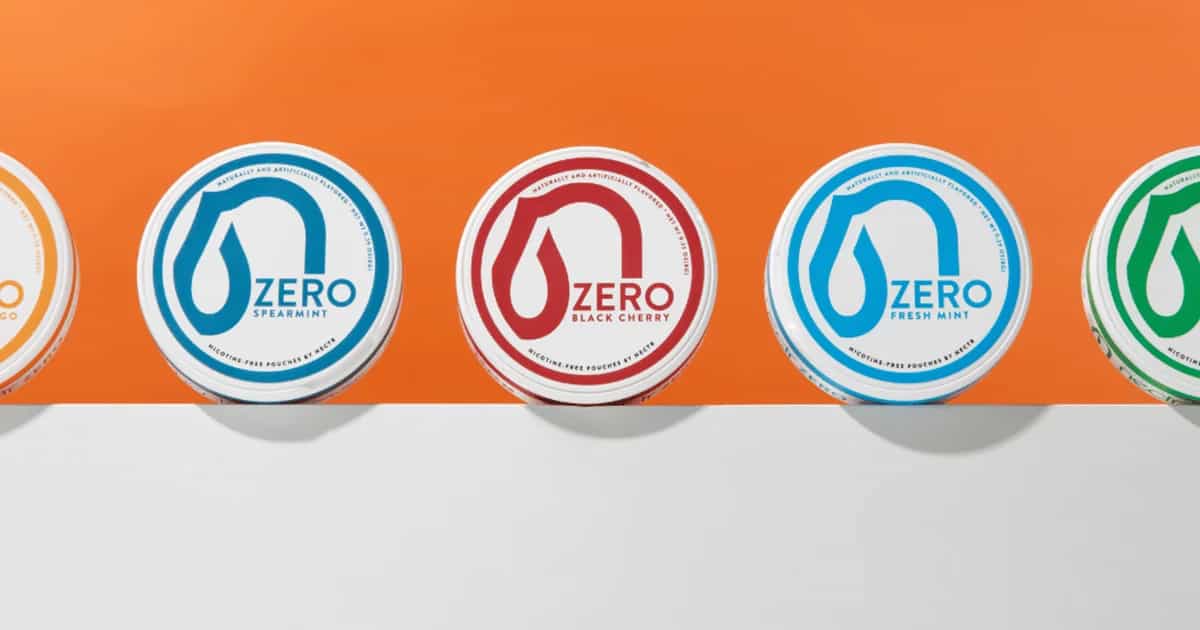
Nectr Energy and Focus+ both contain caffeine. Nectr Zero has no caffeine or nicotine and is a flavor-focused option. This distinction helps with product selection; it is not a claim that switching brands treats a health problem.
For formula details, read the Ultra product review and Nectr formula comparison.
Frequently Asked Questions
Are Ultra pouches FDA approved?
FDA does not approve dietary supplements for safety before marketing. An FDA-related statement should not be treated as proof that a pouch is approved or suitable for every person.
Does caffeine-free mean no active ingredients?
No. Current Ultra Focus names Enfinity PX and other ingredients. Read the complete formula, not only the caffeine-free statement.
Are Ultra pouches safe for gums?
This review cannot establish long-term oral safety. Remove a pouch that causes irritation and discuss persistent symptoms with a dental professional rather than treating nicotine-free as a guarantee.
Did Nectr independently lab-test Ultra?
No. This guide reviews published information. It does not claim independent laboratory testing, a clinical trial or a medical review.