Best Nootropic Supplements for Focus in 2026
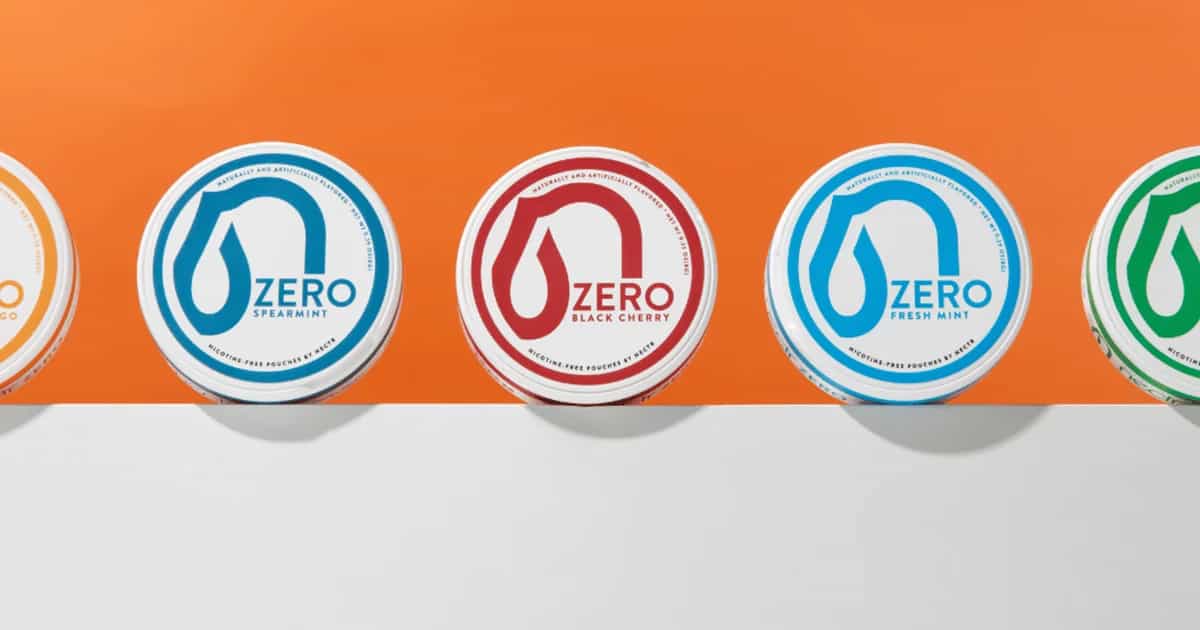
Short answer: The best evidence-backed nootropics for focus include Cognizin® Citicoline, Lion's Mane mushroom, Bacopa Monnieri, Rhodiola Rosea, and Phosphatidylserine. Among these, Cognizin® Citicoline has the strongest clinical evidence for attention and focus in healthy adults. Nectr Focus pouches deliver 62.5mg Cognizin® via sublingual absorption for fast, convenient cognitive support.
What Makes a Nootropic "Good"?
The nootropic market is flooded with products making bold claims. Cutting through the noise requires applying three criteria:
- Clinical evidence: Are there peer-reviewed, placebo-controlled studies in humans (not just rats) showing cognitive benefits?
- Mechanism of action: Is there a plausible, understood mechanism for how the substance affects the brain?
- Safety profile: Is long-term use safe, and are side effects minimal?
The nootropics below all meet these criteria to varying degrees. We have ranked them by strength of evidence for focus specifically.
1. Cognizin® Citicoline (CDP-Choline)
Evidence level: Strong
Cognizin® is a patented, clinically studied form of citicoline. It provides two crucial brain compounds: choline (precursor to the neurotransmitter acetylcholine) and cytidine (converts to uridine, supporting brain cell membrane synthesis).
Key research: A randomized, double-blind, placebo-controlled study published in Food and Nutrition Sciences found that healthy adults taking 250-500mg Cognizin® daily for 28 days showed significant improvements in attention, focus, and motor speed compared to placebo.
Optimal dosage: 250-500mg/day. Effects are noticeable within 1-2 weeks of daily use, with benefits accumulating over time.
Why it ranks #1: The dual mechanism (neurotransmitter support + membrane repair), branded quality control, clinical validation in healthy adults (not just cognitive decline patients), and clean safety profile make Cognizin® the most reliable focus nootropic available.
Nectr Focus pouches deliver 62.5mg Cognizin® per pouch through sublingual absorption. Multiple pouches throughout the day build toward the clinical dose range while providing immediate cognitive support.
2. Lion's Mane Mushroom (Hericium erinaceus)
Evidence level: Moderate-Strong
Lion's Mane is a medicinal mushroom that stimulates the production of Nerve Growth Factor (NGF) — a protein essential for the growth, maintenance, and survival of neurons. Unlike most nootropics that work on neurotransmitter levels, Lion's Mane works on the neurons themselves.
Key research: A Japanese double-blind study found that adults aged 50-80 with mild cognitive impairment who took 250mg Lion's Mane three times daily for 16 weeks showed significant improvement in cognitive function. Multiple animal studies confirm the NGF-stimulating mechanism.
Optimal dosage: 500-3000mg/day of fruiting body extract (look for beta-glucan content above 25%).
Best for: Long-term brain health and neuroprotection. Effects build over weeks to months.
3. Bacopa Monnieri
Evidence level: Moderate-Strong
Bacopa is an Ayurvedic herb with centuries of traditional use for memory enhancement. Modern research has validated its effects, primarily on memory consolidation and recall rather than acute focus.
Key research: A 2014 meta-analysis of 9 randomized controlled trials found that Bacopa improved attention, cognitive processing speed, and working memory. However, effects required at least 12 weeks of daily use to manifest.
Optimal dosage: 300-600mg/day of extract standardized to 50% bacosides.
Best for: Memory and learning. Not ideal for acute focus — it requires weeks of consistent use.
4. Rhodiola Rosea
Evidence level: Moderate
Rhodiola is an adaptogen that helps the body and brain manage stress. It works primarily by modulating cortisol and supporting neurotransmitter balance under stressful conditions. When stress is the barrier to focus (which it often is), Rhodiola can be very effective.
Key research: Studies on physicians during night shifts, students during exam periods, and military cadets during sustained operations show improvements in mental performance, fatigue resistance, and error rates with Rhodiola supplementation.
Optimal dosage: 200-400mg/day of extract standardized to 3% rosavins and 1% salidroside.
Best for: Focus under stress. Take in the morning — it can interfere with sleep if taken late.
5. Phosphatidylserine (PS)
Evidence level: Moderate
Phosphatidylserine is a phospholipid that makes up about 15% of the brain's total phospholipid pool. It plays a critical role in cell signaling, apoptosis (programmed cell death), and neurotransmitter release.
Key research: PS supplementation has shown cognitive benefits in both elderly populations (memory improvement) and younger adults (improved processing speed and accuracy during cognitive tasks). The FDA allows a qualified health claim for PS and cognitive function.
Optimal dosage: 100-300mg/day.
Best for: Memory, processing speed, and stress-related cognitive decline (PS helps lower cortisol).
Nootropic Comparison Table
| Nootropic | Primary Benefit | Onset | Evidence | Daily Cost |
|---|---|---|---|---|
| Cognizin® Citicoline | Attention & focus | 1-2 weeks | Strong | $0.50-1.50 |
| Lion's Mane | Neuroprotection & NGF | 4-8 weeks | Moderate-Strong | $0.50-1.00 |
| Bacopa Monnieri | Memory & learning | 8-12 weeks | Moderate-Strong | $0.30-0.60 |
| Rhodiola Rosea | Focus under stress | Acute (same day) | Moderate | $0.30-0.70 |
| Phosphatidylserine | Processing speed | 2-4 weeks | Moderate | $0.40-1.00 |
Nootropics to Skip
Some heavily marketed "nootropics" have weak evidence or concerning safety profiles:
- Racetams (Piracetam, Aniracetam): Popular in online communities but clinical evidence for cognitive enhancement in healthy adults is weak and inconsistent.
- Modafinil: A prescription wakefulness drug. Effective but carries legal issues (it is a scheduled substance) and side effects. Not appropriate for general nootropic use.
- Proprietary blends: Any product hiding ingredient amounts behind a "proprietary blend" label is not worth your money. If a company won't tell you how much of each ingredient is in the product, there is a reason.
The Easiest Way to Take Cognizin®
Skip the pills and powders. Nectr Focus pouches deliver Cognizin® Citicoline + caffeine through sublingual absorption — place and focus.
Frequently Asked Questions
What is the best nootropic for ADHD-like focus issues?
Citicoline (Cognizin®) has the strongest evidence for improving attention in healthy adults. Rhodiola can help when poor focus is driven by stress and fatigue. Neither is a substitute for medical evaluation if you suspect ADHD — talk to a healthcare provider.
Can you stack multiple nootropics?
Yes, many nootropics have complementary mechanisms. A popular evidence-based stack: Cognizin® Citicoline (acetylcholine + membranes) + Lion's Mane (NGF support) + Rhodiola (stress resilience). Start one at a time so you can assess each ingredient's individual effect.
How long do nootropics take to work?
It varies by compound. Caffeine and Rhodiola have same-day effects. Cognizin® shows measurable improvements within 1-2 weeks. Lion's Mane and Bacopa require 4-12 weeks. Patience is important — nootropics are not stimulants (except caffeine).
Are nootropics safe long-term?
The nootropics listed above have been studied in multi-month trials with good safety profiles. Cognizin® Citicoline, in particular, has been used clinically for decades without significant safety concerns. As with any supplement, choose reputable brands and clinically studied forms.
What nootropic is in Nectr Focus pouches?
Nectr Focus pouches contain 62.5mg of Cognizin® Citicoline and 30mg caffeine per pouch. Cognizin® is a patented, clinically studied form of citicoline — not a generic or proprietary blend.