Caffeine vs Nicotine: Effects, Risks & Key Differences
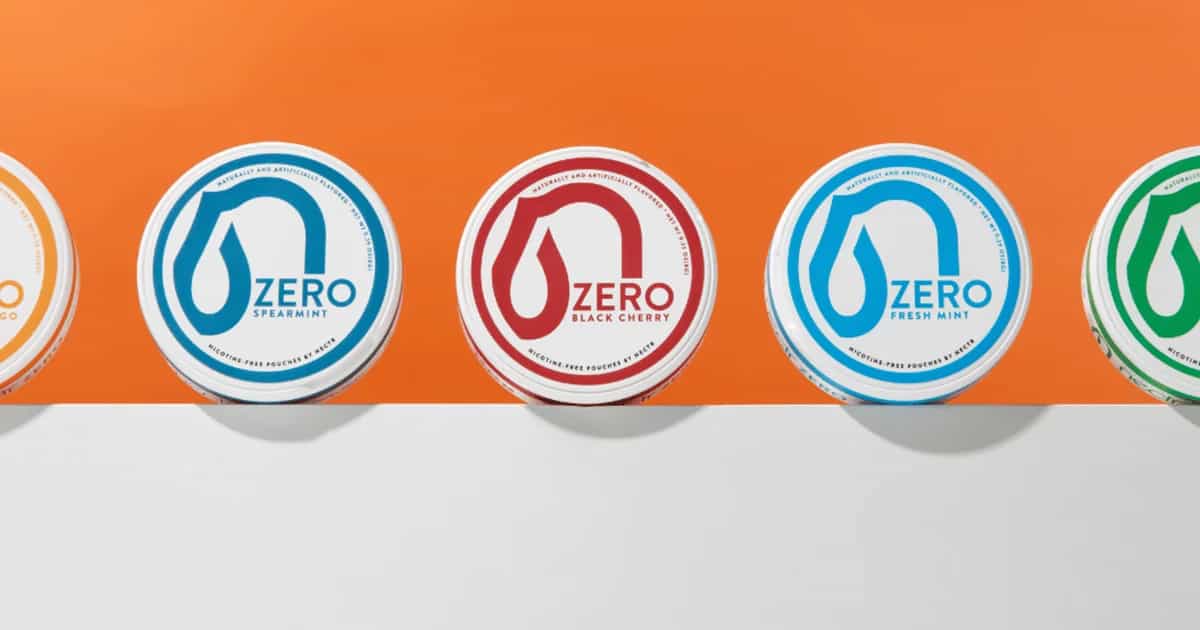
Short answer: Caffeine and nicotine are both stimulants that improve alertness and concentration, but nicotine is significantly more addictive and carries greater health risks. Caffeine has a well-established safety profile at moderate doses (up to 400mg/day) and is not associated with cancer, cardiovascular disease, or severe dependency. Nicotine creates powerful physical dependency and has documented cardiovascular and developmental risks. Nectr Energy pouches deliver caffeine as a deliberate alternative to nicotine stimulation.
How They Work: Different Mechanisms, Similar Effects
Both caffeine and nicotine make you feel more alert, but they achieve this through completely different neurochemical pathways.
Caffeine's Mechanism
Caffeine works by blocking adenosine receptors. Adenosine is a neurotransmitter that accumulates throughout the day and makes you feel sleepy. By occupying adenosine receptors without activating them, caffeine prevents the "sleepy" signal from getting through. This results in sustained wakefulness, improved reaction time, and enhanced focus. Caffeine also indirectly increases dopamine signaling, which contributes to its mild mood-enhancing effects.
Nicotine's Mechanism
Nicotine binds directly to nicotinic acetylcholine receptors (nAChRs), triggering a surge of multiple neurotransmitters — dopamine, norepinephrine, serotonin, acetylcholine, and endorphins. This multi-neurotransmitter flood creates a powerful and immediate reward signal. The intensity of this neurochemical cascade is why nicotine is so addictive — your brain rapidly learns to crave this specific combination of stimulation and reward.
Addiction Potential: The Critical Difference
| Factor | Caffeine | Nicotine |
|---|---|---|
| Addiction classification | Mild physical dependence | Severe physical and psychological addiction |
| Withdrawal severity | Mild (headache, fatigue, 1-3 days) | Intense (cravings, irritability, anxiety, 2-4 weeks) |
| Time to dependence | Weeks of daily use | Days to weeks |
| Quit success rate (unaided) | ~80-90% can quit without difficulty | ~3-5% succeed on first unaided attempt |
| Dopamine increase | ~30-40% above baseline | ~150-200% above baseline |
| Tolerance escalation | Moderate | Rapid and significant |
The dopamine numbers tell the story. Caffeine modestly increases dopamine — enough to improve mood and motivation, not enough to create powerful cravings. Nicotine floods the reward circuit with dopamine at levels comparable to some illicit substances. This is why quitting nicotine is often compared to quitting hard drugs in difficulty, while most people can stop caffeine with little more than a headache.
Health Risks Compared
Caffeine Health Profile
At moderate doses (up to 400mg/day for healthy adults), caffeine has one of the most favorable safety profiles of any stimulant. Research consistently shows:
- Reduced risk of Parkinson's disease, Alzheimer's disease, and type 2 diabetes
- Improved cardiovascular outcomes in moderate consumers (2-3 cups coffee equivalent)
- Enhanced exercise performance and fat oxidation
- No association with cancer at normal intake levels
- No significant cardiovascular risk at moderate doses
Excessive caffeine (500mg+) can cause anxiety, insomnia, heart palpitations, and digestive issues. These side effects are dose-dependent and resolve quickly when intake is reduced.
Nicotine Health Profile
Nicotine's health risks are more concerning:
- Cardiovascular: Nicotine raises heart rate, blood pressure, and constricts blood vessels. Long-term use increases risk of heart disease and stroke.
- Developmental: Nicotine is harmful to adolescent and fetal brain development. Exposure during these periods can cause lasting cognitive effects.
- Oral health: Vasoconstriction reduces blood flow to gum tissue, contributing to gum disease and recession.
- Addiction: The addiction itself is a health risk — it drives continued use and makes people resistant to quitting even when they want to.
- Cancer promotion: While nicotine alone (without tobacco) doesn't directly cause cancer, some research suggests it may promote tumor growth and angiogenesis in existing cancers.
Performance Effects
Both substances enhance cognitive performance, but in different ways:
| Performance Area | Caffeine | Nicotine |
|---|---|---|
| Alertness | Strong improvement | Strong improvement |
| Focus/attention | Moderate improvement | Strong improvement (short-term) |
| Reaction time | Improved | Improved |
| Memory | Modest improvement | Short-term improvement |
| Physical endurance | Significant improvement | Minimal effect |
| Duration of effect | 4-6 hours | 1-2 hours |
| Rebound/crash | Mild (adenosine rebound) | Significant (craving cycle) |
A key distinction: caffeine's performance benefits last 4-6 hours per dose. Nicotine's benefits are shorter (1-2 hours), and as tolerance builds, the "benefit" becomes less about enhanced performance and more about returning to baseline — you need nicotine just to feel normal, not to feel enhanced.
Legal Status and Social Acceptance
Caffeine is legal everywhere, found in thousands of food and beverage products, and socially accepted universally. There are no age restrictions on caffeine purchase in most jurisdictions (though some retailers voluntarily restrict energy drink sales to minors).
Nicotine products face increasing regulation: age restrictions (21+ in the US), marketing limitations, flavor bans in some jurisdictions, and growing social stigma. While nicotine pouches are legal for adults, the regulatory trajectory is toward greater restriction, not less.
Why Nectr Chose Caffeine Over Nicotine
When designing a functional pouch, the ingredient choice was deliberate. Nectr Energy pouches deliver 50mg caffeine — enough for a meaningful energy boost without the jitters of high-dose caffeine products. Nectr Focus pouches combine 30mg caffeine with 62.5mg Cognizin® Citicoline for cognitive enhancement.
The reasoning is straightforward: caffeine provides comparable alertness and focus benefits to nicotine, with dramatically lower addiction risk, a superior safety profile, and longer-lasting effects per dose. There is simply no rational reason to choose nicotine over caffeine for performance purposes — unless you're already addicted.
Choose Caffeine, Not Nicotine
Nectr pouches deliver the alertness and focus of a stimulant pouch — powered by caffeine and Cognizin®, not nicotine.
Frequently Asked Questions
Is caffeine safer than nicotine?
Yes, by a wide margin. Caffeine at moderate doses (under 400mg/day) has a well-established safety profile and is associated with several health benefits. Nicotine is highly addictive, raises cardiovascular risk, and harms developing brains. The two are not comparable in terms of safety.
Is caffeine addictive like nicotine?
Caffeine creates mild physical dependence — regular users may experience headaches and fatigue for 1-3 days if they stop. This is not in the same category as nicotine addiction, which creates severe cravings, weeks of withdrawal, and a 95%+ relapse rate without support. Most people can quit caffeine by simply reducing intake over a few days.
Can caffeine replace nicotine for focus?
Yes. Caffeine improves alertness, focus, and reaction time through adenosine receptor blockade. For an even stronger focus effect without nicotine, Nectr Focus pouches combine caffeine with Cognizin® Citicoline, which supports acetylcholine production — the neurotransmitter nicotine mimics. You get the cognitive benefit through a healthier pathway.
Do caffeine and nicotine interact?
They can be used simultaneously without dangerous interactions, but the combination increases cardiovascular stimulation (higher heart rate and blood pressure). Many people use both — morning coffee plus nicotine pouches. If you are trying to quit nicotine, caffeine can help manage the fatigue and concentration issues during withdrawal.
Why do people use nicotine if caffeine is safer?
Most nicotine users started before fully understanding the addiction risk, often during adolescence when the brain is most vulnerable. Once addicted, the powerful cravings make quitting extremely difficult. Nobody would rationally choose nicotine over caffeine for performance — the addiction makes the choice for them.