Caffeine Alternatives for Focus and Alertness (That Actually Work)
The best caffeine alternatives for focus and alertness include citicoline (Cognizin®), regular exercise, cold exposure, adequate hydration, and strategic light exposure. Citicoline stands out as the top supplemental option because it enhances attention and mental clarity through acetylcholine production — a completely different pathway than caffeine's adenosine-blocking mechanism. That said, low-dose caffeine (30-50mg) deserves consideration as a middle ground: it provides genuine cognitive benefits without the jitters, crashes, and dependency associated with coffee and energy drinks.
This article is for informational purposes only and is not medical advice. Consult your healthcare provider before making changes to your supplement routine.
Key Takeaways
Focus Pouches
View All →


- Citicoline (Cognizin®) is the best supplemental caffeine alternative, improving focus through acetylcholine production rather than stimulant activity.
- Exercise, cold exposure, and morning sunlight are highly effective non-supplement alternatives that improve alertness through natural neurochemistry.
- Low-dose caffeine (30-50mg via pouches) is a viable middle ground — enough for alertness without dependency, jitters, or sleep disruption.
- Nectr Focus pouches combine 62.5mg Cognizin® with only 30mg caffeine for a balanced approach.
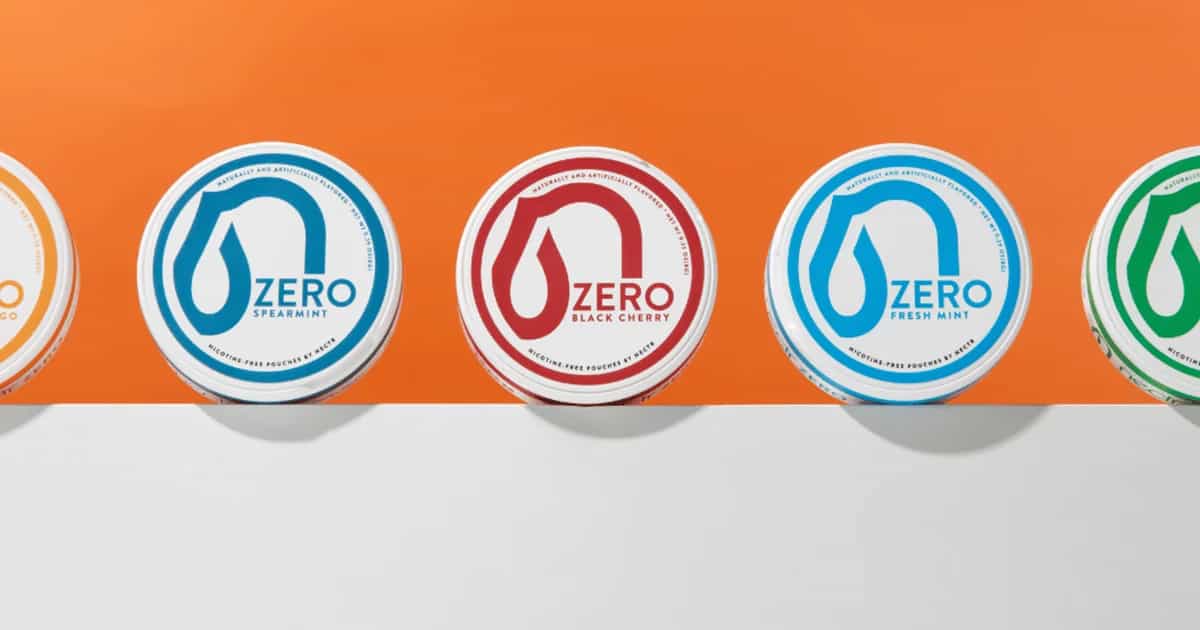
- Nectr Zero pouches contain zero caffeine and zero nicotine for a completely stimulant-free option.
Why People Look for Caffeine Alternatives
Caffeine is the most widely used psychoactive substance on earth, and for good reason — it works. But many people reach a point where caffeine's downsides outweigh its benefits:
- Tolerance: After 2-3 weeks of daily use, caffeine's performance benefits largely disappear. You need it just to feel normal.
- Sleep disruption: Caffeine's 5-6 hour half-life means afternoon doses impair sleep quality even if you fall asleep on time.
- Anxiety: Caffeine activates the sympathetic nervous system. For anxiety-prone individuals, this creates a jittery, restless feeling that undermines focus.
- Crashes: High-dose caffeine (200mg+ from coffee or energy drinks) often creates a rebound crash 4-6 hours later that leaves you more tired than before.
- Dependency: Daily users experience withdrawal headaches, fatigue, and irritability when they miss a dose — the very definition of physical dependency.
The goal is not necessarily to eliminate caffeine entirely but to find solutions that provide genuine focus and alertness without these trade-offs.
Best Caffeine Alternatives: Ranked by Evidence
| Alternative | Type | Focus Benefit | Alertness Benefit | Evidence |
|---|---|---|---|---|
| Citicoline (Cognizin®) | Supplement | Strong | Moderate | Multiple RCTs |
| Exercise (20+ min) | Lifestyle | Strong | Strong | Extensive research |
| Cold exposure | Lifestyle | Moderate | Strong | Growing evidence |
| Morning sunlight | Lifestyle | Moderate | Strong | Strong circadian research |
| Creatine | Supplement | Moderate | Mild | Growing RCTs |
| Rhodiola Rosea | Supplement | Moderate | Moderate | Several RCTs |
| Peppermint aromatherapy | Lifestyle | Mild | Moderate | Limited but positive |
| Low-dose caffeine (30-50mg) | Supplement | Strong | Strong | Extensive |
1. Citicoline (Cognizin®): The Best Supplemental Alternative
Citicoline is a naturally occurring compound that your brain uses to produce acetylcholine — the neurotransmitter responsible for attention, learning, and memory. Unlike caffeine, which blocks sleepiness signals (adenosine), citicoline actually supports your brain's ability to focus by enhancing neurotransmitter production and brain cell membrane integrity.
Clinical evidence for the patented Cognizin® form includes:
- Improved attention and psychomotor speed after 28 days at 250mg/day (2015, Food and Nutrition Sciences)
- Enhanced episodic memory and cognitive function at 500mg/day over 12 weeks (2021 RCT)
- Increased frontal lobe ATP (brain energy) by up to 14% measured via MRI spectroscopy
The key advantage over caffeine: citicoline builds cognitive capacity over time without tolerance, dependency, or withdrawal. You can use it daily indefinitely with continued benefits. Learn more about the science in our article on citicoline benefits and what the research says.
Nectr Focus pouches deliver 62.5mg Cognizin® alongside a low 30mg caffeine dose — providing both immediate alertness and long-term cognitive support without the high-caffeine downsides.
2. Exercise: The Most Underrated Focus Tool
A single 20-minute bout of moderate exercise increases alertness, attention, and processing speed for 2-4 hours afterward. The mechanisms are powerful: exercise increases BDNF (brain-derived neurotrophic factor), boosts dopamine and norepinephrine, and improves cerebral blood flow. These are the same neurotransmitter systems that caffeine targets, but through a sustainable, side-effect-free pathway.
For office workers, even a brisk 10-minute walk provides measurable cognitive benefits. Morning exercise is particularly effective for replacing the alertness role of coffee.
3. Cold Exposure: Instant Alertness Without Stimulants
Cold water exposure (cold showers, face immersion, or ice baths) triggers a massive norepinephrine release — up to 200-300% above baseline according to research published in the European Journal of Applied Physiology. Norepinephrine is a key alertness neurotransmitter. The effect kicks in within seconds and can last 1-3 hours.
Practical application: Start with 30 seconds of cold water at the end of your shower. Gradually increase to 1-2 minutes. Even cold water on your face and wrists provides a meaningful alertness boost.
4. Morning Sunlight: Reset Your Internal Clock
Getting 10-15 minutes of natural sunlight within the first hour of waking suppresses melatonin production and sets your circadian rhythm for the day. Research from Stanford neuroscientist Andrew Huberman highlights that morning light exposure is one of the most effective tools for natural alertness. It works by signaling your suprachiasmatic nucleus (master clock) that it is daytime, triggering cortisol release and suppressing sleep hormones.
When Low-Dose Caffeine Is Actually the Right Answer
Here is the truth that gets lost in "caffeine alternative" discussions: low-dose caffeine (30-50mg) behaves very differently from the 200-400mg doses in coffee and energy drinks.
At 30-50mg, caffeine provides:
- Genuine alertness improvement without jitters or anxiety
- Minimal sleep disruption (especially if consumed before noon)
- Slower tolerance development compared to high doses
- No significant crash
The problems most people associate with caffeine — jitters, crashes, dependency, sleep issues — are largely dose-dependent. A single Nectr Energy pouch at 50mg or a Nectr Focus pouch at 30mg delivers the cognitive benefits of caffeine at a dose that avoids most downsides.
For those who want to avoid caffeine entirely, Nectr Zero pouches contain zero caffeine and zero nicotine — providing the satisfying oral ritual without any stimulant.
Building a Caffeine-Free (or Low-Caffeine) Focus Stack
Here is a practical daily protocol that minimizes or eliminates caffeine dependency:
- Morning: 10-15 minutes of sunlight + 10-minute walk or movement
- Mid-morning focus session: One Nectr Focus pouch (30mg caffeine + 62.5mg Cognizin®) — or Nectr Zero if fully caffeine-free
- Afternoon: Cold water on face/wrists for alertness reset, hydration check (aim for at least 2L daily)
- Daily: 20+ minutes of exercise (any time that works for your schedule)
- Ongoing: Consistent citicoline supplementation for cumulative brain benefits
Frequently Asked Questions
What is the best natural alternative to caffeine for focus?
Citicoline (Cognizin®) is the best supplemental alternative, with clinical evidence showing improved attention and mental clarity without stimulant side effects. For lifestyle alternatives, exercise and cold exposure both provide immediate alertness boosts through natural neurochemical pathways. Combining citicoline with morning exercise creates a powerful caffeine-free focus routine.
How can I stay alert without caffeine?
The most effective strategies include morning sunlight exposure (10-15 minutes), regular exercise, cold exposure, adequate hydration, and consistent sleep habits. For supplemental support, citicoline improves attention without stimulant effects. Many people find that combining these approaches provides better sustained alertness than caffeine, without the crashes and dependency.
Is low-dose caffeine better than high-dose caffeine?
For most people, yes. Low-dose caffeine (30-50mg) provides measurable alertness and focus improvement with significantly fewer side effects than the 200-400mg found in coffee and energy drinks. Lower doses produce less tolerance, less sleep disruption, and minimal crash. Caffeine pouches deliver precise low doses.
Can you build tolerance to caffeine alternatives like citicoline?
No. Unlike caffeine, citicoline does not work through receptor blocking that leads to tolerance. It provides raw materials (choline and cytidine) for neurotransmitter and membrane synthesis. Clinical studies lasting up to 12 weeks show sustained benefits without diminishing returns. This is a fundamental advantage over caffeine as a daily focus tool.
What are the side effects of quitting caffeine?
Common caffeine withdrawal symptoms include headaches (most common, peaking at 24-48 hours), fatigue, difficulty concentrating, irritability, and mild depressed mood. Symptoms typically resolve within 5-9 days. Gradual tapering using precise doses — such as 50mg caffeine pouches — can prevent most withdrawal symptoms entirely.