
How to Quit Coffee Without Headaches: A Step-by-Step Guide
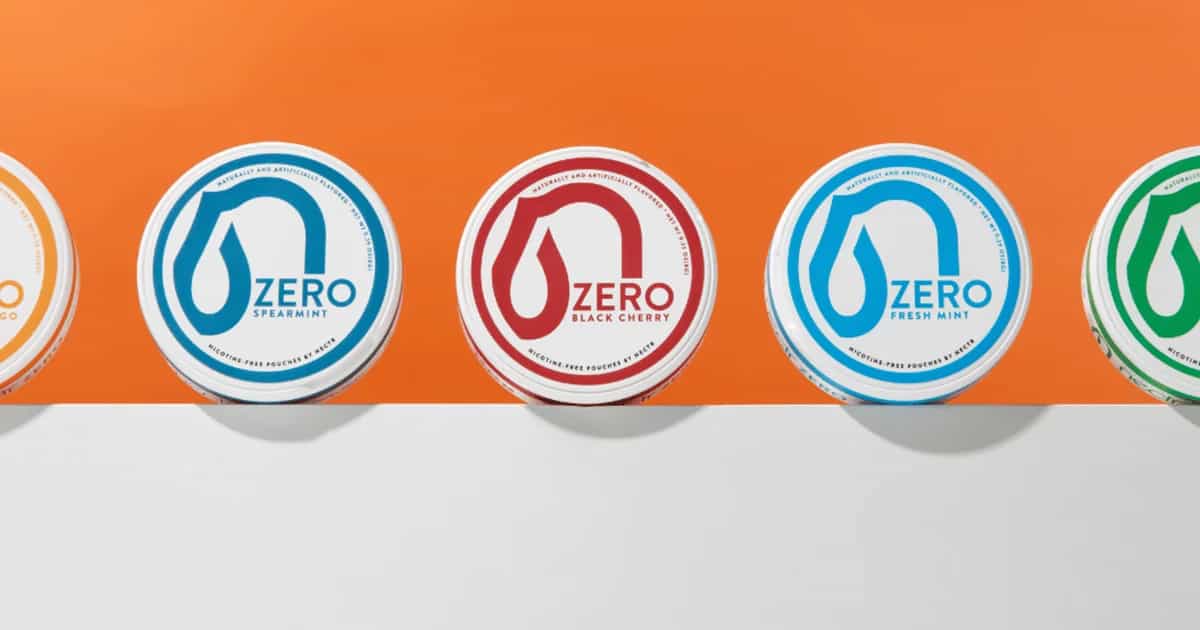
The best way to quit coffee without headaches is to taper your caffeine intake gradually — reducing by 25-50mg every 3-5 days over 2-4 weeks. Coffee makes precise tapering difficult because caffeine content varies wildly by cup (95-200mg+). Caffeine pouches that deliver exact 50mg doses let you control your taper with precision, stepping down methodically until you reach zero without triggering the withdrawal headaches that make most people give up within 48 hours.
This article is for informational purposes only and is not medical advice. If you experience severe withdrawal symptoms, consult your healthcare provider.
Key Takeaways
Focus Pouches
View All →


- Caffeine withdrawal headaches typically start 12-24 hours after your last dose and peak at 24-48 hours. They are caused by sudden vasodilation in the brain.
- Gradual tapering (reducing 25-50mg every 3-5 days) prevents headaches by allowing your brain to adjust incrementally.
- Coffee's variable caffeine content (95-200mg+ per cup) makes precise tapering difficult. Caffeine pouches with exact 50mg doses give you full control.
- A typical coffee habit (2-3 cups/day = 200-400mg) can be tapered to zero in 2-4 weeks without significant withdrawal symptoms.
- After quitting, most people report better sleep, more stable energy, and reduced anxiety within 1-2 weeks.
Why Quitting Coffee Cold Turkey Causes Headaches
To understand why quitting coffee causes headaches, you need to understand what caffeine does to your brain's blood vessels.
Caffeine is a vasoconstrictor — it narrows blood vessels in the brain. When you drink coffee daily, your brain adapts to this constriction by upregulating adenosine receptors and adjusting vascular tone. When you suddenly remove caffeine, those blood vessels rapidly dilate (expand), increasing blood flow and pressure in the brain. This sudden vasodilation is the primary mechanism behind caffeine withdrawal headaches.
The headaches typically follow this timeline:
- 12-24 hours after last dose: Headache begins, usually a dull, throbbing pain behind the eyes or across the forehead.
- 24-48 hours: Peak intensity. Many people also experience fatigue, irritability, difficulty concentrating, and mild nausea.
- 48-72 hours: Headache begins to subside.
- 5-9 days: Most withdrawal symptoms resolve completely.
The severity depends on your daily intake. Someone drinking 400mg+ daily will experience worse withdrawal than someone at 100mg. But even moderate coffee drinkers (1-2 cups/day) can experience noticeable headaches when they quit abruptly.
The Caffeine Tapering Method: Step by Step
Tapering works by reducing caffeine slowly enough that your brain can readjust its vascular tone and adenosine receptor density without triggering withdrawal. Here is a detailed protocol based on your starting intake:
| Starting Intake | Taper Schedule | Duration to Zero |
|---|---|---|
|
Heavy (400mg+/day) 4+ cups of coffee | Reduce by 50mg every 3-4 days | 4-5 weeks |
|
Moderate (200-400mg/day) 2-3 cups of coffee | Reduce by 50mg every 3-5 days | 2-4 weeks |
|
Light (100-200mg/day) 1-2 cups of coffee | Reduce by 25-50mg every 4-5 days | 1-2 weeks |
Why Coffee Makes Tapering Difficult
The biggest problem with tapering using coffee is dosing accuracy. Consider the variation:
- Home drip coffee: 95-165mg per 8oz cup (varies by beans, grind, brew time)
- Starbucks Grande: 310mg (Pike Place Roast)
- Espresso shot: 63mg (but most people drink doubles = 126mg)
- Cold brew: 200-300mg per 16oz
When your "cup of coffee" could be 95mg or 310mg, reducing by "half a cup" is meaningless. You need precise dosing to taper effectively. This is where caffeine pouches become the ideal tapering tool.
Using Caffeine Pouches to Taper Off Coffee
Caffeine pouches deliver exactly 50mg of caffeine per pouch through sublingual absorption. This precision transforms tapering from guesswork into a controlled, measurable process.
Here is a sample 3-week taper for a moderate coffee drinker (approximately 250mg/day):
| Day | Morning | Midday | Afternoon | Total Caffeine |
|---|---|---|---|---|
| Days 1-4 | 1 coffee (replace with 3 pouches if variable) | 1 pouch (50mg) | 1 pouch (50mg) | ~250mg |
| Days 5-8 | 2 pouches (100mg) | 1 pouch (50mg) | — | 150mg |
| Days 9-12 | 1 pouch (50mg) | 1 pouch (50mg) | — | 100mg |
| Days 13-16 | 1 pouch (50mg) | — | — | 50mg |
| Days 17-20 | Half pouch or skip | — | — | 0-25mg |
| Day 21+ | Caffeine-free | — | — | 0mg |
The key advantage: each step down is exactly 50mg. Your brain adapts smoothly, and you know precisely where you are in the process at all times. No more guessing whether your "smaller cup" actually had less caffeine.
Managing Withdrawal Symptoms Beyond Headaches
Even with a proper taper, you may experience mild symptoms during the reduction. Here is how to manage each one:
- Fatigue: This is your body adjusting to producing energy without artificial stimulation. Counter it with a 10-minute walk, cold water on your face, or a brief nap (under 20 minutes). Expect this to resolve within 5-7 days of reaching zero caffeine.
- Difficulty concentrating: Your adenosine receptors are recalibrating. Stay hydrated, break work into shorter sessions, and use a timer (Pomodoro method) to maintain focus during the transition.
- Irritability: Low-grade irritability is common during days 2-5 of each reduction step. Exercise helps — even a 20-minute walk significantly reduces irritability markers.
- Mild depressed mood: Caffeine increases dopamine activity. Withdrawing can temporarily lower mood. This resolves within 1-2 weeks and is replaced by more stable baseline mood.
Why People Quit Coffee (and Whether You Should)
Not everyone needs to quit coffee. Caffeine at moderate doses (200-400mg/day) is considered safe by the FDA and may offer health benefits including reduced risk of certain neurodegenerative diseases. But many people benefit from quitting or reducing:
- Sleep issues: Caffeine has a half-life of 5-6 hours. A 2pm coffee still has half its caffeine in your system at 8pm, reducing sleep quality even if you fall asleep normally.
- Anxiety: Caffeine stimulates the sympathetic nervous system and can exacerbate anxiety disorders. Many people discover their baseline anxiety drops significantly after quitting.
- Energy crashes: The stimulation-crash cycle creates a dependency pattern where you need coffee just to reach normal baseline energy levels.
- Digestive issues: Coffee increases stomach acid production and can worsen GERD, IBS, and other GI conditions.
- Tolerance: After months of daily use, most of caffeine's performance benefits disappear — you are drinking coffee to avoid withdrawal, not to gain a boost.
Life After Coffee: What to Expect
Most people who successfully quit coffee report these changes within 2-4 weeks:
- Better sleep quality: Deeper sleep, easier time falling asleep, and feeling more rested upon waking.
- More stable energy: No more morning grogginess followed by mid-afternoon crashes. Energy levels become naturally consistent throughout the day.
- Reduced anxiety: Lower resting heart rate and decreased feelings of nervousness or restlessness.
- Improved hydration: Coffee is a mild diuretic. Removing it (and typically replacing with water) improves overall hydration.
- Whiter teeth: A cosmetic bonus — coffee is one of the most common causes of tooth staining.
If you find you still want occasional cognitive support after quitting daily coffee, caffeine pouches offer a controlled option. Using a single 50mg pouch for occasional demanding tasks (without daily dependency) lets you benefit from caffeine's performance effects without rebuilding tolerance. For more on what happens when you stop caffeine, see our guide on caffeine withdrawal symptoms and timeline.
Frequently Asked Questions
How long do coffee withdrawal headaches last?
Coffee withdrawal headaches typically last 2-9 days when quitting cold turkey, with peak intensity at 24-48 hours. Using a gradual taper (reducing 25-50mg every 3-5 days) can prevent headaches almost entirely by allowing your brain's blood vessels to adjust incrementally rather than all at once.
Can I quit coffee without any withdrawal symptoms?
Yes, with a slow enough taper. Reducing caffeine by no more than 25-50mg every 3-5 days minimizes or eliminates withdrawal symptoms for most people. Using caffeine pouches with exact 50mg doses makes this process precise and predictable. Most people experience only mild fatigue during a proper taper.
Is it better to quit coffee gradually or cold turkey?
Gradually, for most people. Cold turkey works if your daily intake is under 100mg, but for moderate to heavy coffee drinkers (200mg+/day), gradual tapering produces better adherence and fewer withdrawal symptoms. The headaches from cold turkey cause most people to relapse within 48 hours.
What can I replace coffee with for energy?
During your taper, caffeine pouches (50mg per pouch) provide controlled doses without the ritual of coffee. After quitting caffeine entirely, effective alternatives include morning cold exposure, regular exercise, adequate sleep (7-9 hours), and staying hydrated. If you want occasional caffeine without daily dependency, a single pouch provides a measured dose.
How much caffeine is in a cup of coffee vs a caffeine pouch?
A standard cup of drip coffee contains 95-200mg of caffeine, varying significantly by brew method, bean type, and serving size. A Nectr Energy caffeine pouch contains exactly 50mg — roughly a quarter to half of a typical coffee. This precision makes caffeine pouches ideal for controlled tapering.