
How Long Does Caffeine Withdrawal Last? Timeline and Relief
Caffeine withdrawal lasts 2-9 days for most people, with symptoms peaking between 24 and 51 hours after your last caffeine intake. The most common symptoms — headache, fatigue, irritability, difficulty concentrating, and depressed mood — begin within 12-24 hours of caffeine cessation. The American Psychiatric Association officially recognizes caffeine withdrawal as a clinical syndrome in the DSM-5, with research showing that symptoms can occur in people consuming as little as 100mg of caffeine daily (about one cup of coffee or two Nectr Energy pouches).
This article is for informational purposes only and is not medical advice. Consult your healthcare provider for personalized guidance.
Key Takeaways
- Caffeine withdrawal symptoms typically begin 12-24 hours after your last dose and peak at 24-51 hours.
- Most symptoms resolve completely within 2-9 days, with the median duration being about 4-5 days.
- The most common symptom is headache (affecting ~50% of people who quit caffeine abruptly).
- Gradual tapering (reducing by 25% every 2-3 days) can eliminate or significantly reduce withdrawal symptoms.
- Caffeine pouches with precise dosing (like 50mg per pouch) make tapering easier because you can control your exact intake.
The Complete Caffeine Withdrawal Timeline
This timeline is based on research from the Johns Hopkins University School of Medicine, which conducted the most comprehensive studies on caffeine withdrawal to date.
| Timeline | Primary Symptoms | Severity | What Is Happening |
|---|---|---|---|
| Hours 0-12 | None to mild fatigue | Minimal | Caffeine metabolizing out of system (half-life 5-6 hours), adenosine receptors beginning to rebound |
| Hours 12-24 | Headache onset, increasing fatigue, mild irritability | Mild to moderate | Adenosine receptors fully unblocked, blood vessels in brain dilating, dopamine levels declining |
| Hours 24-51 | Peak headache, significant fatigue, difficulty concentrating, depressed mood, brain fog | Peak severity | Maximum adenosine rebound, cerebral blood flow increased (causes headache), norepinephrine levels dropped |
| Days 2-3 | Persistent headache (decreasing), ongoing fatigue, irritability, muscle stiffness | Moderate, declining | Brain beginning to downregulate excess adenosine receptors, still adapting to absence of caffeine |
| Days 3-5 | Headache resolving, fatigue improving, mood normalizing | Mild | Adenosine receptor count decreasing, neurotransmitter balance improving |
| Days 5-9 | Minimal symptoms, occasional mild fatigue | Minimal to none | Brain chemistry largely normalized, adenosine sensitivity returning to baseline |
| Day 9+ | Symptoms resolved | None | Full neuroadaptation complete, baseline energy restored |
Caffeine Withdrawal Symptoms Explained
Understanding why each symptom occurs helps you manage them more effectively.
Headache (Affects ~50% of People)
This is the hallmark caffeine withdrawal symptom. Caffeine constricts blood vessels in the brain (cerebral vasoconstriction). When you stop consuming caffeine, those vessels dilate — expanding rapidly. This vasodilation activates pain receptors in the meninges (the membranes surrounding your brain), causing a throbbing, widespread headache that typically affects both sides of the head.
The headache is so characteristic that researchers can reliably induce it in controlled studies by giving regular caffeine users a placebo instead of their usual dose. It peaks at 24-48 hours and typically resolves within 2-4 days.
Fatigue and Drowsiness (Affects ~40%)
Caffeine works by blocking adenosine receptors. Adenosine is the neurotransmitter that makes you feel sleepy — it accumulates throughout the day and signals your brain to wind down. When caffeine blocks these receptors, you feel more alert. With chronic caffeine use, your brain upregulates adenosine receptors (builds more of them) to compensate. When you suddenly stop caffeine, all those extra receptors are flooded with adenosine, creating fatigue that exceeds your normal pre-caffeine baseline.
Difficulty Concentrating and Brain Fog (Affects ~25%)
Caffeine enhances focus by increasing dopamine and norepinephrine activity. Withdrawal temporarily reduces these neurotransmitter levels below baseline, causing difficulty with sustained attention, working memory, and complex cognitive tasks. This is typically milder and shorter-lasting than nicotine withdrawal brain fog.
Irritability and Depressed Mood (Affects ~20%)
The drop in dopamine that accompanies caffeine withdrawal can cause irritability, low motivation, and mild depressive symptoms. These mood effects are generally mild compared to nicotine withdrawal and resolve within 3-5 days for most people.
Muscle Stiffness and Flu-Like Symptoms (Affects ~10%)
Some people experience muscle aches, stiffness, and general malaise during caffeine withdrawal — sometimes described as feeling like a mild flu. This is partly due to changes in blood flow (as vasoconstriction normalizes) and partly due to the general stress response to neurochemical adjustment.
Caffeine Withdrawal vs Nicotine Withdrawal
For context, here is how caffeine withdrawal compares to nicotine withdrawal — a comparison that matters if you are using caffeine pouches as a nicotine replacement:
| Factor | Caffeine Withdrawal | Nicotine Withdrawal |
|---|---|---|
| Duration | 2-9 days | 2-4 weeks (some symptoms months) |
| Peak severity | 24-51 hours | 48-72 hours |
| Headache | Very common (~50%), moderate | Common (~30%), moderate |
| Anxiety | Mild or absent | Significant, can be severe |
| Cravings | Mild, manageable | Intense, persistent |
| Brain fog | Mild, 2-5 days | Moderate to severe, 1-4 weeks |
| Mood effects | Mild irritability | Significant depression, anxiety, irritability |
| Physical dependency | Mild | Strong |
| Relapse risk | Low | High (most people need multiple quit attempts) |
The key takeaway: caffeine withdrawal is real and uncomfortable, but it is significantly shorter, milder, and easier to manage than nicotine withdrawal. This is one of the reasons caffeine pouches are a practical nicotine replacement — even if you later decide to quit caffeine too, the process is far less challenging.
How to Taper Caffeine to Avoid Withdrawal
The most effective way to avoid caffeine withdrawal symptoms entirely is to taper — reduce your intake gradually over 1-2 weeks rather than stopping abruptly. Here is a practical tapering schedule:
The 25% Reduction Method
Reduce your daily caffeine intake by approximately 25% every 2-3 days. This gives your brain time to adjust adenosine receptor count at each step, preventing the rebound that causes withdrawal symptoms.
| Step | Daily Caffeine | Example Using Nectr Energy Pouches (50mg each) | Duration |
|---|---|---|---|
| Baseline | Your current intake | E.g., 4 pouches = 200mg | Track for 2-3 days |
| Step 1 | 75% of baseline | 3 pouches = 150mg | 2-3 days |
| Step 2 | 50% of baseline | 2 pouches = 100mg | 2-3 days |
| Step 3 | 25% of baseline | 1 pouch = 50mg | 2-3 days |
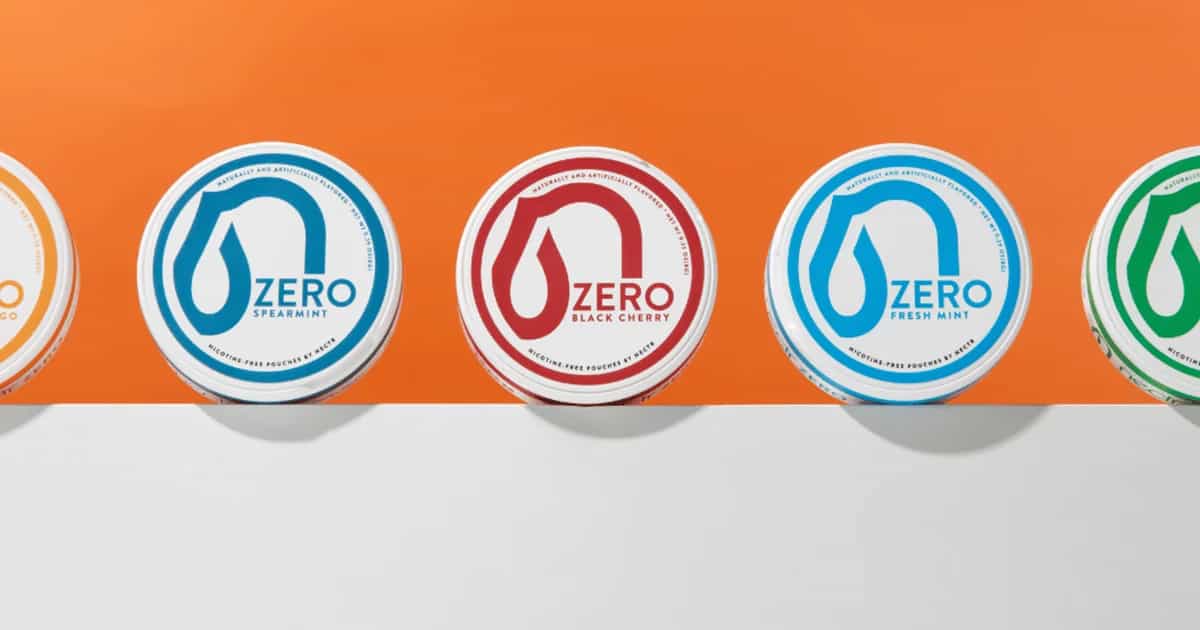
| Step 4 | 0mg | Switch to Nectr Zero if you want to maintain the oral habit | Done |
Why Caffeine Pouches Make Tapering Easier
Tapering caffeine from coffee is imprecise — a "cup of coffee" can contain anywhere from 80mg to 200mg+ depending on the brew method, bean type, and serving size. Caffeine pouches with consistent, labeled dosing make tapering straightforward because you know exactly how much caffeine you are consuming at each step.
Nectr Energy pouches contain exactly 50mg per pouch. Nectr Focus pouches contain exactly 30mg. This precision allows you to step down in controlled increments: 200mg to 150mg to 100mg to 50mg to 0mg — each step clearly defined.
Managing Caffeine Withdrawal Symptoms
If you are going cold turkey or tapering faster than recommended, these strategies help manage symptoms:
For Headaches
- Over-the-counter pain relief: Ibuprofen (200-400mg) is effective for caffeine withdrawal headaches. Avoid combination pain relievers that contain caffeine (like Excedrin), as they will restart the cycle.
- Hydration: Dehydration worsens headaches. Drink at least 8-10 glasses of water daily during withdrawal.
- Cold compress: Apply to your forehead or temples for 15-20 minutes to constrict superficial blood vessels and reduce pain.
For Fatigue
- Exercise: Counterintuitive but effective. Even a 15-minute walk increases norepinephrine and endorphins, temporarily boosting alertness.
- Cold water exposure: A cold shower or splash of cold water on your face activates the sympathetic nervous system, providing a short-term energy boost.
- Bright light: Exposure to bright light (especially morning sunlight) suppresses melatonin and supports alertness.
- Adequate sleep: Do not fight the fatigue — use it as an opportunity to improve your sleep schedule. Your body is recalibrating its natural energy rhythms.
For Brain Fog
- Reduce cognitive load: Avoid scheduling demanding intellectual tasks during peak withdrawal (days 1-3) if possible.
- Short breaks: Use the Pomodoro technique (25 minutes of focus, 5 minutes of rest) to work within your temporarily reduced attention span.
- Nootropic support: Cognizin® Citicoline supports natural neurotransmitter production without caffeine dependency. Nectr Focus pouches contain 62.5mg of Cognizin® Citicoline with only 30mg of caffeine — useful during the tapering process when you want cognitive support while reducing caffeine intake.
Who Should Consider Reducing or Quitting Caffeine?
Caffeine is safe for most adults at moderate doses (under 400mg/day). You might consider reducing if:
- You are consuming more than 400mg daily and experiencing anxiety, insomnia, or heart palpitations
- You cannot function without caffeine in the morning (suggesting significant dependency)
- Caffeine is disrupting your sleep quality (even if you fall asleep easily, caffeine within 6 hours of bedtime reduces deep sleep)
- You are pregnant or planning to become pregnant (guidelines recommend under 200mg/day)
- Your healthcare provider has recommended reducing caffeine for a medical condition
The Bottom Line
Caffeine withdrawal is a real, clinically recognized syndrome — but it is also short-lived and manageable. Symptoms peak at 24-51 hours and resolve within 2-9 days for most people. If you want to reduce or quit caffeine, tapering by 25% every 2-3 days can prevent withdrawal symptoms entirely. Precisely dosed caffeine pouches make tapering straightforward because you control exactly how much caffeine you consume at each step. And if you want to maintain the pouch experience after reaching zero caffeine, Nectr Zero pouches provide the oral satisfaction without any stimulants.
Frequently Asked Questions
How long does caffeine withdrawal last?
Caffeine withdrawal typically lasts 2-9 days, with symptoms peaking between 24 and 51 hours after your last caffeine intake. The most common symptom, headache, usually resolves within 2-4 days. Fatigue and mild mood effects may persist for up to 9 days in heavy caffeine users. Most people feel completely normal by day 7-9.
What are the worst days of caffeine withdrawal?
Days 1-2 are typically the worst, with headache, fatigue, and irritability at their peak intensity around 24-51 hours after your last caffeine dose. Day 3 is still uncomfortable but noticeably improving for most people. By day 4-5, the majority of symptoms have substantially decreased.
Can you die from caffeine withdrawal?
No. Caffeine withdrawal is uncomfortable but not medically dangerous. Unlike withdrawal from alcohol, benzodiazepines, or barbiturates, caffeine withdrawal does not carry any risk of seizures, organ failure, or death. The symptoms are entirely manageable and self-limiting. If you experience severe or unusual symptoms during caffeine withdrawal, consult a healthcare provider to rule out other causes.
Does tapering caffeine prevent withdrawal symptoms?
Yes. Gradual reduction (approximately 25% every 2-3 days) gives your brain time to adjust adenosine receptor density at each step, preventing the rapid rebound that causes withdrawal symptoms. Many people who taper over 10-14 days report zero noticeable withdrawal symptoms. Caffeine pouches with precise dosing (like Nectr's 50mg per pouch) make tapering easier than reducing coffee, which has highly variable caffeine content.
How much caffeine do you need to consume to experience withdrawal?
Research shows that caffeine withdrawal can occur in people consuming as little as 100mg per day (about one cup of coffee or two Nectr Energy pouches). However, symptom severity is dose-dependent — people consuming 400mg+ daily typically experience more intense withdrawal than those at 100-200mg. Duration of habitual use also matters; people who have used caffeine daily for months or years experience more pronounced withdrawal than recent adopters.