
Are Caffeine Pouches Safe? What Dentists and Doctors Say
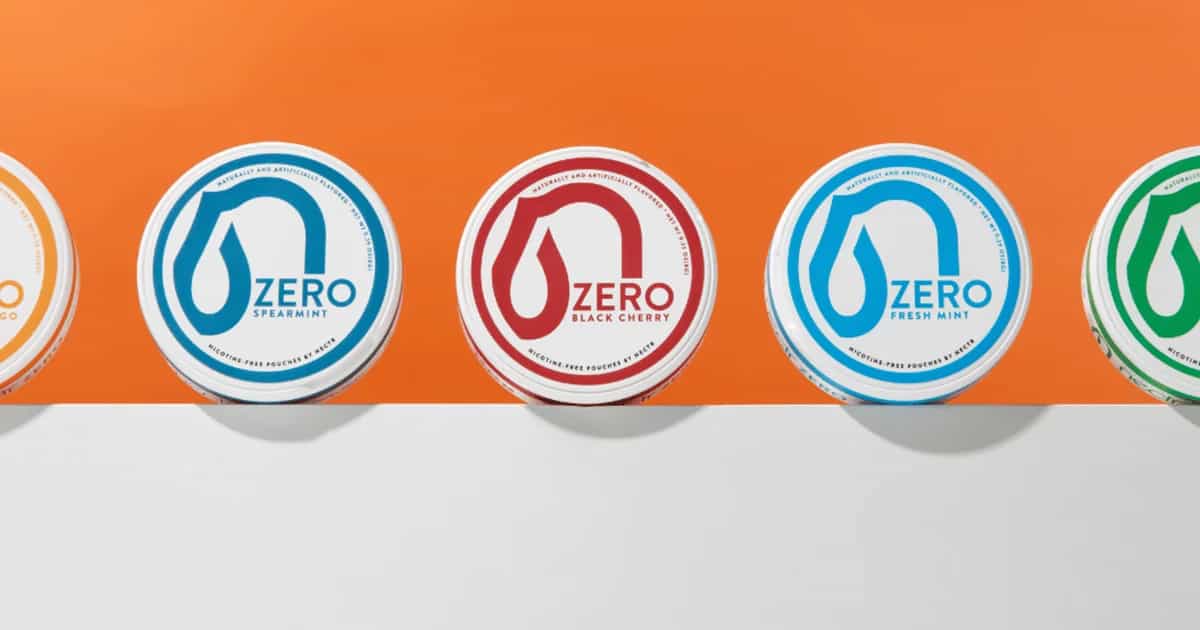
Short answer: Caffeine pouches are generally safe for healthy adults when used within recommended limits (under 400 mg caffeine per day). They contain no sugar, no tobacco, and produce no smoke — making them lower-risk than most other caffeine delivery methods. However, they're not appropriate for everyone, and moderation matters.
What Dentists Say About Caffeine Pouches and Oral Health
Energy Pouches
View All →


One of the most common concerns about any oral pouch product is what it does to your teeth and gums. Here's what dental professionals highlight:
pH and Enamel Erosion
Coffee (pH 4.5–5.0) and energy drinks (pH 2.5–3.5) are highly acidic and erode enamel over time. Caffeine pouches typically have a neutral or near-neutral pH (6.0–7.0), which means they don't contribute to acid erosion the way beverages do. This is a significant advantage for long-term dental health.
Gum Irritation
Placing any pouch between your lip and gum can cause mild, localized irritation — especially if you keep it in the same spot repeatedly. Dentists recommend rotating placement sides and limiting pouch duration to 30–45 minutes. Most users report that any initial irritation subsides within the first week of use.
Tooth Staining
Unlike coffee, tea, and dark-colored energy drinks, caffeine pouches contain no tannins or chromogens — the compounds responsible for tooth staining. Nectr Energy Pouches are white and leave no residue.
What Doctors Say About Cardiovascular Effects
Caffeine is a stimulant, and any stimulant affects the cardiovascular system. Here's the medical consensus:
Heart Rate and Blood Pressure
A single 50 mg caffeine pouch produces effects comparable to half a cup of coffee. For most healthy adults, this means a temporary increase of 3–5 bpm in heart rate and 3–5 mmHg in systolic blood pressure — well within normal variation. These effects typically normalize within 1–2 hours.
Caffeine Toxicity Thresholds
The FDA considers 400 mg/day safe for most adults. Serious toxicity symptoms (seizures, arrhythmia) typically don't occur below 1,200 mg in a short period. At 50 mg per pouch, you'd need 8 Nectr Energy Pouches to reach the daily recommended limit — and 24 in rapid succession to approach dangerous territory. By comparison, it's far easier to overconsume caffeine via pills (200 mg each) or concentrated energy shots (300 mg each).
Who Should Avoid Caffeine Pouches
- Pregnant or breastfeeding women: The American College of Obstetricians and Gynecologists recommends limiting caffeine to 200 mg/day, and some research suggests even lower thresholds may be prudent.
- Children and adolescents: The American Academy of Pediatrics recommends against caffeine consumption for children under 12 and limited intake for teens.
- People with heart conditions: Those with arrhythmias, uncontrolled hypertension, or other cardiovascular conditions should consult their doctor before using any caffeine product.
- Caffeine-sensitive individuals: Some people metabolize caffeine slowly (CYP1A2 gene variant). If coffee makes you jittery or anxious, start with a Nectr Zero Pouch (no stimulants) or half a pouch.
Safety Profile Comparison: Caffeine Pouches vs. Other Sources
| Factor | Caffeine Pouch (50 mg) | Coffee (95 mg) | Energy Drink (160 mg) | Caffeine Pill (200 mg) |
|---|---|---|---|---|
| Caffeine per serving | 50 mg | 95 mg | 150–300 mg | 200 mg |
| Sugar | 0 g | 0 g (black) | 27–63 g | 0 g |
| Acid exposure (pH) | 6.0–7.0 (neutral) | 4.5–5.0 (acidic) | 2.5–3.5 (highly acidic) | N/A (swallowed) |
| Tooth staining risk | None | High | Moderate–High | None |
| Cardiovascular stress | Low (small dose) | Moderate | Moderate–High | Moderate–High |
| Overdose risk | Very low | Low | Moderate | High |
| Calorie content | 0–5 cal | 2 cal (black) | 110–280 cal | 0 cal |
Caffeine pouches score well on nearly every safety metric because of their low per-serving dose, zero sugar, and neutral pH. The main risk factor — caffeine itself — is present in a much smaller amount per serving than competing formats.
Are Caffeine Pouches FDA Approved?
No caffeine pouch brand is "FDA approved" in the way that a pharmaceutical drug would be. Caffeine pouches are classified as dietary supplements or food products, which means they must comply with FDA labeling and safety regulations but do not require pre-market approval. This is the same regulatory framework that governs coffee, energy drinks, and caffeine gum. Reputable brands like Nectr follow Good Manufacturing Practices (GMP) and use GRAS (Generally Recognized as Safe) ingredients.
How Many Caffeine Pouches Per Day Is Safe?
Based on the FDA's 400 mg daily caffeine guideline and a standard 50 mg pouch, up to 8 pouches per day stays within recommended limits for healthy adults. Most users find 3–5 pouches per day covers their needs. If you're using Nectr Focus Pouches (30 mg caffeine + Cognizin® Citicoline), you have even more headroom — up to 13 pouches would stay under 400 mg of caffeine, though 4–6 is a practical daily range.
Nectr Energy Pouches — 50 mg caffeine, zero sugar, neutral pH. Or go stimulant-free with Zero Pouches. Build a bundle and save up to 35% on your first order, then 25%.
Frequently Asked Questions
Are caffeine pouches bad for your teeth?
No. Caffeine pouches have a neutral pH (6.0–7.0), contain no sugar, and don't stain teeth. They are significantly better for dental health than coffee (acidic, staining) or energy drinks (acidic, high sugar). Mild gum irritation can occur if you place the pouch in the same spot repeatedly — rotating sides prevents this.
Can caffeine pouches cause heart problems?
For healthy adults, no. A 50 mg caffeine pouch has roughly half the caffeine of a cup of coffee. It produces a small, temporary increase in heart rate and blood pressure that resolves within 1–2 hours. People with pre-existing heart conditions should consult their doctor before using any caffeinated product.
Are caffeine pouches safe during pregnancy?
Pregnant women should limit caffeine to 200 mg/day or less per ACOG guidelines. While a single 50 mg pouch falls within that limit, pregnant women should discuss any caffeine use with their OB-GYN. If you want oral satisfaction without caffeine, Nectr Zero Pouches are stimulant-free.
Can teenagers use caffeine pouches?
The American Academy of Pediatrics recommends no caffeine for children under 12 and limited amounts for teens (under 100 mg/day). A single 50 mg pouch would be within teen limits, but we recommend parental guidance. Nectr products are designed for and marketed to adults 18+.
Are caffeine pouches FDA approved?
Caffeine pouches are regulated as dietary supplements or food products, not pharmaceuticals. They don't require pre-market FDA approval — the same regulatory category as coffee, energy drinks, and caffeine gum. Reputable manufacturers follow GMP and use GRAS ingredients.
How many caffeine pouches can you use per day safely?
Based on the FDA's 400 mg daily caffeine limit, up to 8 standard 50 mg pouches per day is within guidelines for healthy adults. Most users find 3–5 pouches sufficient. Listen to your body — if you experience jitteriness, anxiety, or sleep disruption, reduce your intake.