Zyn vs Vape: Which Is Safer? A Side-by-Side Comparison
Short answer: Zyn nicotine pouches avoid the lung damage associated with vaping and contain far fewer chemical compounds. Vapes deliver nicotine faster but expose you to aerosolized chemicals linked to lung injury. Neither is risk-free — both are addictive nicotine products. For people who want the oral ritual without nicotine at all, nicotine-free energy pouches are the cleanest option.
How Zyn and Vapes Work
Zero Pouches
View All →


Zyn pouches are small, tobacco-free pouches containing nicotine salt, flavorings, and plant-based fibers. You place one between your gum and lip, and nicotine absorbs through the oral mucosa over 20–40 minutes.
Vapes (e-cigarettes) heat a liquid containing nicotine, propylene glycol, vegetable glycerin, and flavorings into an aerosol you inhale. Nicotine reaches the brain in roughly 10–20 seconds via the lungs — faster than almost any other delivery method.
Side-by-Side Comparison: Zyn vs Vape vs Nectr
| Factor | Zyn | Vape | Nectr (Nicotine-Free) |
|---|---|---|---|
| Nicotine | 3–6 mg per pouch | 3–50+ mg/mL (varies) | 0 mg — nicotine-free |
| Tobacco | No | No | No |
| Lung exposure | None — oral only | Yes — aerosolized chemicals enter lungs | None — oral only |
| Known chemical compounds | ~10–15 ingredients | 80+ compounds detected in some studies | ~10 clean ingredients |
| Oral health risks | Gum irritation, possible recession | Dry mouth, oral tissue irritation | Minimal — no nicotine vasoconstriction |
| Addiction potential | High (nicotine) | Very high (rapid delivery) | None — no addictive substances |
| Secondhand exposure | None | Yes — exhaled aerosol | None |
| Cost per month (avg user) | $40–80 | $50–150+ | $30–60 |
| Convenience | Discreet, no device needed | Requires charged device + pods | Discreet, no device needed |
| Social acceptability | High — invisible to others | Low–medium — visible clouds | High — invisible to others |
| Functional ingredients | None | None | Caffeine, Cognizin® Citicoline, nootropics |
Health Risks: What the Research Says
Lung Health
This is where the biggest difference lies. Vaping introduces aerosolized particles directly into your lungs. The CDC documented over 2,800 cases of EVALI (e-cigarette or vaping product use-associated lung injury) in 2019–2020, with 68 confirmed deaths. While many cases were linked to illicit THC cartridges containing vitamin E acetate, long-term studies on even legitimate vape products are still in early stages.
Zyn pouches completely bypass the lungs. No inhalation means no aerosolized chemical exposure to lung tissue. This is a significant advantage.
Oral Health
Zyn pouches sit directly on gum tissue. Nicotine causes vasoconstriction (narrowing of blood vessels), which can reduce blood flow to gums over time. Regular users report gum irritation, soreness, and in some cases, gum recession at the placement site.
Vaping also affects oral health — propylene glycol causes dry mouth, which increases cavity risk, and heated flavorings can irritate oral tissue. Neither product is great for your mouth, but the mechanisms differ.
Chemicals and Ingredients
Zyn pouches contain a relatively short ingredient list: nicotine salt, microcrystalline cellulose, gum arabic, hydroxypropyl cellulose, and flavorings. Independent testing has found them to be largely what they claim.
Vape liquids are more complex. Beyond nicotine, PG, and VG, studies have detected formaldehyde, acrolein, acetaldehyde, heavy metals (from heating coils), and ultrafine particles in vape aerosol. The long-term effects of inhaling these compounds daily are not yet fully understood.
Addiction Potential
Both products deliver nicotine, one of the most addictive substances known. However, speed of delivery matters for addiction: the faster nicotine reaches the brain, the more reinforcing the behavior. Vapes deliver nicotine to the brain in ~10 seconds via pulmonary absorption. Zyn takes 10–30 minutes for full effect via buccal absorption. This makes vaping arguably more addictive from a behavioral reinforcement perspective.
Cost Comparison
A can of Zyn (15 pouches) costs $4–6. Heavy users may go through a can per day ($120–180/month), though most use 5–10 pouches daily ($40–80/month).
Vaping costs vary widely. A disposable vape runs $8–15 and lasts 1–3 days. Pod systems cost $20–40 for the device plus $15–20 per pack of pods. Heavy vapers can easily spend $100–150/month.
Can You Use Zyn to Quit Vaping?
Some people use nicotine pouches as a step-down from vaping. The logic: you still get nicotine but eliminate lung exposure. It can work as a harm reduction strategy, but you're still maintaining nicotine dependence. The ideal path is eventually stepping down to nicotine-free alternatives entirely.
If you've moved from vaping to pouches, the next step is dropping nicotine entirely. Nectr Energy Pouches give you the same oral ritual with 50 mg caffeine instead of nicotine. No addiction, no withdrawal. Build a bundle and save up to 35% on your first order, then 25%.
Looking for a Nicotine-Free Alternative?
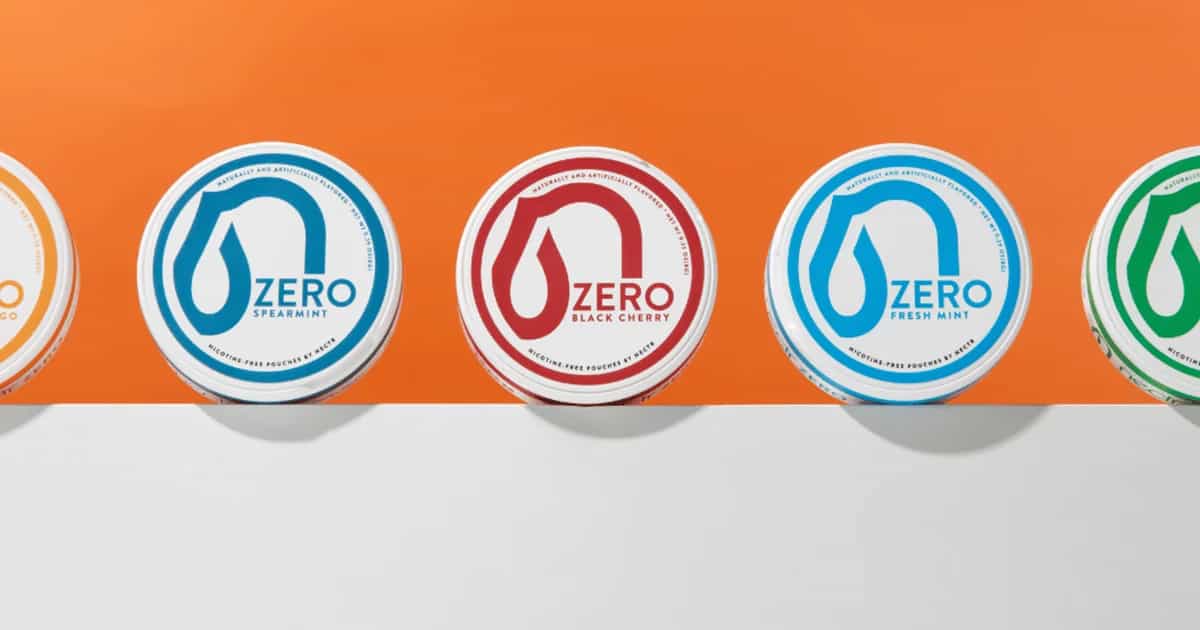
Both Zyn and vapes lock you into nicotine dependence. If you enjoy the pouch format but want to skip the addiction entirely, Nectr Energy Pouches deliver 50 mg of caffeine with zero nicotine. Focus Pouches add Cognizin® Citicoline for cognitive support, and Zero Pouches contain no stimulants at all — just flavor and function.
You get the same discreet, convenient format without building or maintaining a nicotine habit.
Frequently Asked Questions
Is Zyn safer than vaping?
Zyn eliminates lung exposure entirely, which removes the most acute risk associated with vaping. However, Zyn still delivers nicotine and carries oral health risks. "Safer" depends on which risks you weigh more heavily — lung damage or gum/oral tissue effects. Neither is risk-free.
Can you use Zyn to quit vaping?
Yes, some people successfully transition from vaping to nicotine pouches as a harm reduction step. You maintain your nicotine intake while eliminating inhalation risks. For a full quit, you'd then need to step down from pouches to a nicotine-free alternative.
Do Zyns have the same chemicals as vapes?
No. Zyn pouches contain nicotine salt, plant fibers, and flavorings — roughly 10–15 ingredients. Vape aerosol contains nicotine plus propylene glycol, vegetable glycerin, flavorings, and has been shown to produce formaldehyde, heavy metals, and other byproducts when heated. The chemical profiles are very different.
Which is more addictive — Zyn or vaping?
Both deliver nicotine and are addictive. Vaping may be more habit-forming because nicotine reaches the brain in ~10 seconds (vs. 10–30 minutes with pouches). Faster delivery creates stronger behavioral reinforcement loops.
Are there nicotine-free alternatives to both Zyn and vapes?
Yes. Nicotine-free energy pouches like Nectr provide the same oral ritual and sensory experience as Zyn without any nicotine. For vaping alternatives, nicotine-free vape products exist but still carry inhalation risks. Pouches are the cleaner option.
Do Zyns cause lung damage?
No — Zyn pouches are not inhaled. They sit between your gum and lip. There is no lung exposure whatsoever, which is one of their primary advantages over vaping.
How much nicotine is in a Zyn vs a vape?
Zyn pouches come in 3 mg and 6 mg strengths. Vapes vary dramatically — from 3 mg/mL to 50+ mg/mL in salt nicotine devices. A single Juul pod (0.7 mL at 59 mg/mL) contains roughly 41 mg of nicotine total, equivalent to about 7 Zyn 6 mg pouches.