
Does Nicotine Cause Hair Loss? What Research Shows
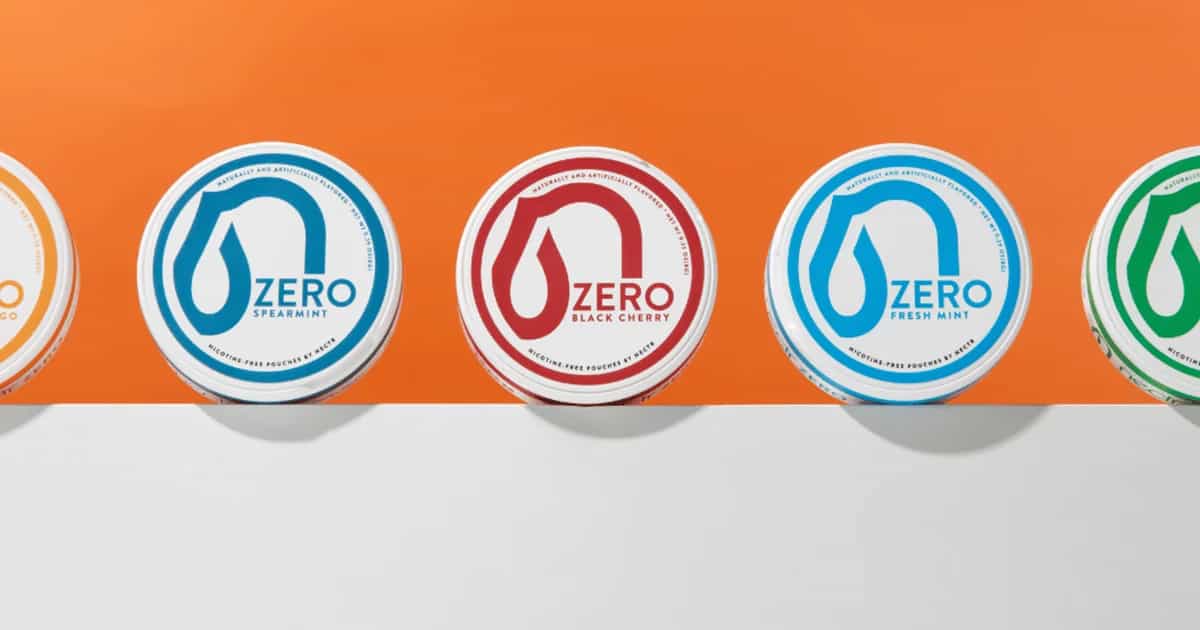
Short answer: Research suggests nicotine can contribute to hair loss through several mechanisms: vasoconstriction (reduced blood flow to hair follicles), increased oxidative stress, hormonal disruption, and DNA damage to hair follicle cells. While nicotine is rarely the sole cause of hair loss, it may accelerate or worsen genetic hair thinning. Switching to nicotine-free alternatives like Nectr pouches removes one contributing factor.
The Connection Between Nicotine and Hair Health
Hair loss is a complex, multifactorial condition. Genetics play the largest role, but environmental and lifestyle factors — including nicotine use — can accelerate the process. The relationship between nicotine and hair loss is supported by several converging lines of research.
Mechanism 1: Vasoconstriction and Reduced Blood Flow
Nicotine is a vasoconstrictor — it narrows blood vessels, reducing blood flow to tissues throughout the body. Hair follicles depend on robust blood supply to deliver the oxygen and nutrients needed for healthy hair growth. The dermal papilla at the base of each follicle is particularly dependent on microcirculation.
A study published in the Journal of Cosmetic Dermatology found that smoking (and nicotine specifically) reduces blood flow to the scalp, potentially depriving follicles of nutrients. This effect is not limited to smoking — any nicotine delivery method (vaping, pouches, patches) causes vasoconstriction.
Over time, chronically reduced blood flow may cause follicle miniaturization — the same process that occurs in androgenetic alopecia (genetic pattern hair loss), but potentially accelerated by nicotine's vascular effects.
Mechanism 2: Oxidative Stress
Nicotine increases oxidative stress in the body by promoting the generation of free radicals and reducing antioxidant capacity. Free radicals damage cellular structures, including DNA, proteins, and lipids. Hair follicles are metabolically active organs that are sensitive to oxidative damage.
Research published in the International Journal of Dermatology has linked elevated oxidative stress markers to premature hair graying and hair loss. While nicotine is not the only source of oxidative stress, it is a significant and avoidable one.
Mechanism 3: Hormonal Effects
Nicotine may influence hormone levels in ways that affect hair:
- Cortisol: Nicotine stimulates cortisol (stress hormone) release. Chronic elevated cortisol is associated with telogen effluvium — a condition where stress pushes hair follicles into the resting (shedding) phase prematurely.
- DHT: Some research suggests that smoking may increase levels of dihydrotestosterone (DHT), the primary hormone responsible for androgenetic alopecia in genetically predisposed individuals. If nicotine itself (separate from combustion byproducts) affects DHT is less clear, but the cortisol pathway is established.
- Estrogen: Nicotine has anti-estrogenic effects. Since estrogen has protective effects on hair follicles, reduced estrogen activity could accelerate hair thinning, particularly in women.
Mechanism 4: DNA Damage to Hair Follicle Cells
Research has shown that nicotine can cause DNA damage in various cell types. Hair follicle cells — particularly the rapidly dividing matrix cells that produce the hair shaft — are susceptible to DNA damage. A 2007 study in the Archives of Dermatology found that smokers had significantly more DNA damage in hair follicle cells compared to non-smokers.
What the Research Actually Proves
Let's be clear about the evidence level:
| Claim | Evidence Level | Notes |
|---|---|---|
| Smoking is associated with hair loss | Strong (multiple studies) | Well-established epidemiological association |
| Nicotine causes vasoconstriction affecting scalp blood flow | Strong | Consistent, replicated findings |
| Nicotine increases oxidative stress | Strong | Well-established mechanism |
| Nicotine alone (without smoke) causes hair loss | Moderate-Weak | Less studied separately from smoking |
| Quitting nicotine reverses hair loss | Weak-Moderate | Some improvement reported, but genetic factors persist |
Most research has studied smoking, which combines nicotine with thousands of other chemicals. Isolating nicotine's specific contribution is difficult. However, the mechanisms (vasoconstriction, oxidative stress, hormonal effects) are established for nicotine specifically, not just smoke.
Nicotine Pouches and Hair Loss
If you use nicotine pouches (Zyn, Velo, On!, etc.), you are exposed to nicotine without combustion byproducts. This eliminates some of smoking's hair-damaging mechanisms (carbon monoxide reducing oxygen-carrying capacity, for example) but maintains the nicotine-specific ones:
- Vasoconstriction still occurs with every pouch
- Oxidative stress from nicotine still applies
- Cortisol stimulation still happens
- Potential hormonal effects still present
Nicotine pouches are likely less harmful to hair than smoking, but they are not neutral.
What You Can Do
If you are concerned about nicotine's effect on your hair, several strategies can help:
Switch to Nicotine-Free Alternatives
The most direct intervention is eliminating nicotine exposure. Nectr pouches provide the pouch format without nicotine — removing the vasoconstriction, oxidative stress, and hormonal effects entirely. Nectr Energy provides caffeine (which is actually a vasodilator — it may improve blood flow rather than restrict it), and Nectr Focus provides Cognizin® for cognitive support.
Support Hair Health Nutritionally
- Biotin: Supports keratin infrastructure. 2,500-5,000mcg daily.
- Iron: Deficiency is a common cause of hair loss, especially in women. Get levels tested before supplementing.
- Zinc: Supports hair tissue growth and repair. 15-30mg daily.
- Omega-3 fatty acids: Support scalp health and may reduce inflammation around follicles.
- Vitamin D: Deficiency is linked to alopecia. Most people benefit from 2,000-4,000 IU daily.
Improve Scalp Circulation
Regular scalp massage (5 minutes daily) has been shown in studies to increase hair thickness by mechanically stimulating dermal papilla cells. Exercise improves overall circulation, including to the scalp. Both counteract the vasoconstriction caused by nicotine.
Remove Nicotine from the Equation
Nectr pouches satisfy the oral habit without the vasoconstriction and oxidative stress that nicotine causes. Your hair (and gums) will thank you.
Frequently Asked Questions
Will my hair grow back if I quit nicotine?
It depends on the cause. If nicotine was accelerating genetically programmed hair loss, quitting may slow further thinning but won't reverse genetic programming. If nicotine was causing telogen effluvium (stress-related shedding), hair may recover within 3-6 months of quitting. Individual results vary significantly.
Does vaping cause hair loss?
Vaping delivers nicotine, which causes vasoconstriction, oxidative stress, and hormonal effects that can contribute to hair loss. The specific chemicals in vape juice (propylene glycol, vegetable glycerin, flavorings) add additional unknown factors. Research on vaping and hair loss specifically is limited but the nicotine mechanisms apply.
Do nicotine pouches cause hair loss?
Nicotine pouches deliver nicotine without combustion byproducts. The nicotine itself still causes vasoconstriction, oxidative stress, and hormonal effects that may contribute to hair thinning. They are likely less harmful to hair than smoking but not risk-free.
Is caffeine better for hair than nicotine?
Interestingly, yes. Caffeine is a vasodilator (increases blood flow) and has been shown in research to stimulate hair follicle growth. Some topical hair loss treatments use caffeine for this reason. This is the opposite of nicotine's vasoconstrictive effect. Nectr Energy pouches deliver caffeine systemically, which may have a mild positive effect on scalp circulation.
How long after quitting nicotine will hair improve?
Blood flow improvements occur within weeks of quitting. Oxidative stress levels normalize over 1-3 months. If hair thinning was being accelerated by nicotine, you may notice reduced shedding within 2-3 months and improved hair quality within 6-12 months. Regrowth of lost hair is less predictable and depends on follicle damage.