Best Natural Adderall Alternatives in 2026 (OTC, No Prescription)
Short answer: The best OTC Adderall alternatives are Cognizin® Citicoline, caffeine, creatine, Rhodiola rosea, Bacopa monnieri, Lion's Mane, omega-3 fatty acids, magnesium, and nootropic pouches. None are as powerful as prescription stimulants, but several have strong clinical evidence for improving focus and attention in healthy adults.
Why People Search for Adderall Alternatives
Adderall (mixed amphetamine salts) is a Schedule II controlled substance prescribed for ADHD. It works by dramatically increasing dopamine and norepinephrine in the brain. While effective for diagnosed ADHD, many people — students, professionals, entrepreneurs — want better focus without the prescription, side effects, or dependency risk.
The good news: several natural compounds target the same neurotransmitter systems, just more gently. You won't get the same intensity, but you can meaningfully improve focus, attention span, and mental clarity.
The 9 Best OTC Adderall Alternatives, Ranked
1. Cognizin® Citicoline — The Gold Standard
Citicoline (CDP-choline) is the most clinically studied nootropic for attention and focus. Cognizin® is the branded, patented form used in clinical trials. It works by increasing acetylcholine synthesis and supporting dopamine receptor density in the prefrontal cortex. A 2021 randomized controlled trial found that 500 mg/day of Cognizin® significantly improved attention, focus, and motor speed in healthy adults.
Dosage: 250–500 mg/day. Onset: 1–2 weeks for full effect. Evidence: Grade A — multiple RCTs.
2. Caffeine — The World's Most Used Stimulant
Caffeine blocks adenosine receptors, increasing alertness and dopamine signaling. It's not a nootropic in the traditional sense, but it reliably improves reaction time, vigilance, and sustained attention. The key is precise dosing — too much causes jitters and anxiety that hurt focus.
Dosage: 50–200 mg per session. Onset: 15–45 minutes. Evidence: Grade A — hundreds of studies.
3. Creatine — Not Just for Muscles
Creatine monohydrate replenishes ATP in the brain, improving cognitive performance under stress and sleep deprivation. A meta-analysis of 6 RCTs found creatine improved short-term memory and reasoning, particularly in stressed or sleep-deprived individuals.
Dosage: 3–5 g/day. Onset: 2–4 weeks (loading). Evidence: Grade A — meta-analyses available.
4. Rhodiola Rosea — The Fatigue Fighter
An adaptogenic herb that modulates cortisol and supports dopamine/serotonin balance. Particularly effective for mental fatigue, stress-induced brain fog, and sustained attention during long work sessions. Multiple RCTs show reduced fatigue and improved cognitive function under stress.
Dosage: 200–400 mg/day (standardized to 3% rosavins). Onset: 30–60 minutes. Evidence: Grade B — several RCTs, mostly in fatigued populations.
5. Bacopa Monnieri — The Memory Herb
Bacopa has the strongest evidence of any herb for long-term memory formation. It modulates acetylcholine, serotonin, and dopamine. A 2014 meta-analysis confirmed improvements in attention and cognitive processing speed. The catch: it takes 8–12 weeks to reach full effect.
Dosage: 300–600 mg/day (standardized to 50% bacosides). Onset: 8–12 weeks. Evidence: Grade B — meta-analysis available.
6. Lion's Mane Mushroom — The Nerve Growth Factor
Lion's Mane stimulates NGF (Nerve Growth Factor) production, supporting neuroplasticity and long-term brain health. Emerging evidence suggests benefits for focus and mild cognitive impairment, though more large-scale human trials are needed.
Dosage: 500–1000 mg/day (fruiting body extract). Onset: 4–8 weeks. Evidence: Grade B — promising RCTs, more research needed.
7. Omega-3 Fatty Acids (DHA/EPA)
Omega-3s are structural components of brain cell membranes. Low DHA is associated with attention problems and cognitive decline. Supplementation is most effective for people with low baseline intake (most Americans). Benefits are modest but well-documented for attention and processing speed.
Dosage: 1–2 g combined EPA/DHA daily. Onset: 4–8 weeks. Evidence: Grade B — large evidence base, modest effect sizes.
8. Magnesium (Glycinate or Threonate)
Nearly 50% of Americans are magnesium-deficient, which impairs NMDA receptor function and attention. Correcting deficiency can significantly improve focus, sleep quality, and stress resilience. Magnesium threonate specifically crosses the blood-brain barrier.
Dosage: 200–400 mg elemental magnesium/day. Onset: 1–2 weeks. Evidence: Grade B — strong for deficiency correction.
9. Nootropic Pouches — Convenient Delivery
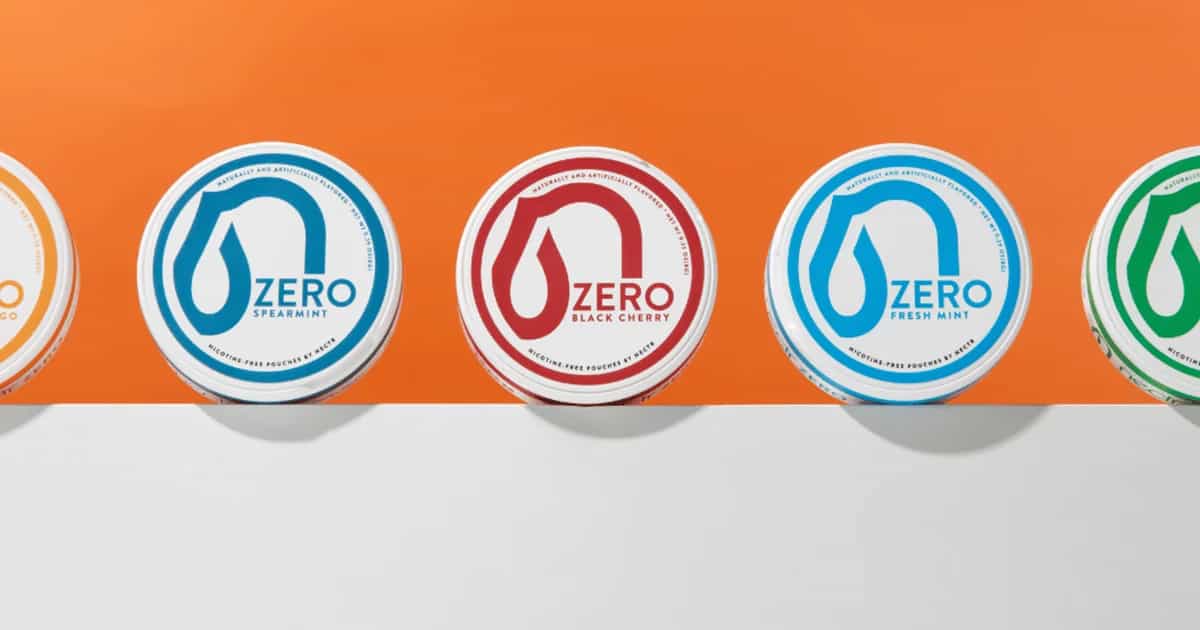
Nootropic pouches combine multiple focus-enhancing ingredients (caffeine + Cognizin® Citicoline) in a sublingual delivery format. Sublingual absorption bypasses the digestive system, delivering compounds to the bloodstream in 5–10 minutes versus 30–60 minutes for capsules. Nectr Focus Pouches deliver 30 mg caffeine + Cognizin® per pouch.
Dosage: 1–4 pouches/day. Onset: 5–10 minutes. Evidence: Grade A for individual ingredients.
OTC Adderall Alternatives Compared
| Supplement | Evidence Grade | Daily Dosage | Onset | Monthly Cost | Best For |
|---|---|---|---|---|---|
| Cognizin® Citicoline | A | 250–500 mg | 1–2 weeks | $25–40 | Sustained focus & attention |
| Caffeine | A | 50–200 mg | 15–45 min | $5–15 | Alertness & reaction time |
| Creatine | A | 3–5 g | 2–4 weeks | $10–15 | Mental performance under stress |
| Rhodiola Rosea | B | 200–400 mg | 30–60 min | $15–25 | Fatigue & stress-induced fog |
| Bacopa Monnieri | B | 300–600 mg | 8–12 weeks | $15–20 | Memory & processing speed |
| Lion's Mane | B | 500–1000 mg | 4–8 weeks | $20–35 | Neuroplasticity & long-term brain health |
| Omega-3s | B | 1–2 g EPA/DHA | 4–8 weeks | $15–30 | Baseline brain nutrition |
| Magnesium | B | 200–400 mg | 1–2 weeks | $10–15 | Correcting deficiency |
| Nootropic Pouches | A (ingredients) | 1–4 pouches | 5–10 min | $20–35 | Fast, on-demand focus |
How to Stack Alternatives for Maximum Effect
Most nootropic experts agree: stacking complementary compounds works better than any single supplement. A practical, evidence-based stack for healthy adults:
- Morning: Nectr Focus Pouch (caffeine + Cognizin®) + 5 g creatine with breakfast
- Afternoon: Second Focus Pouch + 200 mg Rhodiola if fatigue sets in
- Daily baseline: 1 g omega-3s + 300 mg magnesium glycinate in the evening
This stack covers both acute focus (caffeine + citicoline, fast onset) and long-term cognitive health (creatine, omega-3s, magnesium).
Nectr Focus Pouches — Cognizin® Citicoline + caffeine, sublingual delivery in 5 minutes. Build a bundle and save up to 35% on your first order, then 25%.
Frequently Asked Questions
Can supplements actually replace Adderall?
No. Adderall is a powerful prescription amphetamine that dramatically increases dopamine. No OTC supplement matches its intensity. However, for healthy adults without ADHD who want better focus, supplements like Cognizin® Citicoline and caffeine can meaningfully improve attention and cognitive performance without the side effects or dependency risk of prescription stimulants.
What's the closest natural thing to Adderall?
Caffeine combined with citicoline is the closest OTC stack to Adderall's focus-enhancing effects. Caffeine provides the stimulant component (blocking adenosine, increasing dopamine signaling), while Cognizin® Citicoline supports sustained attention through acetylcholine and dopamine receptor pathways. Together, they cover two of the three neurotransmitter systems Adderall targets.
Is citicoline good for ADHD?
Some preliminary studies suggest citicoline may benefit attention in adolescents with ADHD, but the evidence is not strong enough to recommend it as a standalone ADHD treatment. If you have diagnosed ADHD, talk to your doctor before adding citicoline to your regimen — it may complement your existing treatment, but it should not replace it.
Are nootropics safe?
The nootropics listed in this article have strong safety profiles when used at recommended dosages. Cognizin® Citicoline has been studied in doses up to 2,000 mg/day with no serious adverse effects. Caffeine is safe up to 400 mg/day for most adults. Creatine, omega-3s, and magnesium are among the most researched supplements in existence. That said, always start with the lowest effective dose and consult a healthcare provider if you take medications.
Do I need a prescription for nootropic pouches?
No. Nectr Focus Pouches contain caffeine and Cognizin® Citicoline — both are dietary supplement ingredients that do not require a prescription. They contain no nicotine, no controlled substances, and no prescription-only compounds. You can buy them online or at Walmart.