
Is Zyn Bad for Your Heart? 2026 Cardiovascular Research Update
Short answer: Nicotine raises heart rate and blood pressure acutely, so Zyn is not completely harmless to your cardiovascular system. However, nicotine pouches eliminate combustion, tar, carbon monoxide, and thousands of toxic chemicals found in cigarettes — making them substantially lower-risk than smoking. For people with existing heart conditions, any nicotine product warrants a conversation with a cardiologist.
How Nicotine Affects the Heart
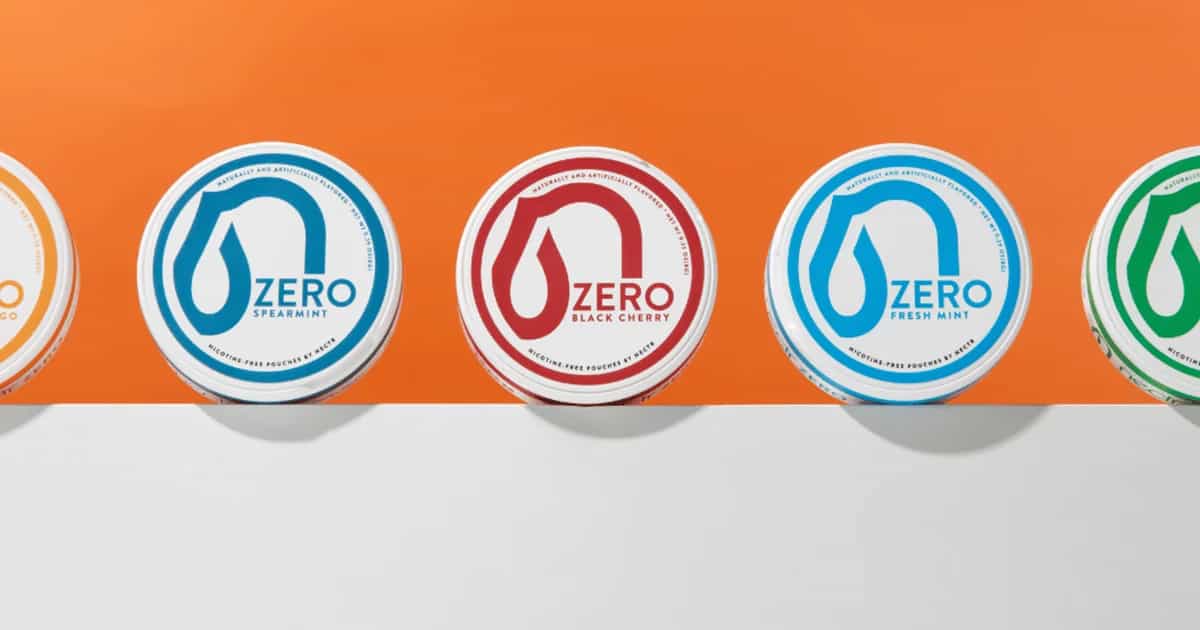
Zero Pouches
View All →


Nicotine is a sympathomimetic — it activates the sympathetic nervous system, triggering the "fight or flight" response. This produces several measurable cardiovascular effects:
Acute Effects (Within Minutes)
- Heart rate increase: 10–20 bpm above baseline
- Blood pressure increase: 5–10 mmHg systolic, 5–8 mmHg diastolic
- Vasoconstriction: Blood vessels narrow, reducing peripheral blood flow
- Catecholamine release: Adrenaline and noradrenaline spike, increasing cardiac workload
These effects are temporary and typically resolve within 30–60 minutes after the nicotine is metabolized. For healthy adults, this is comparable to the cardiovascular stress of climbing a flight of stairs or drinking a cup of coffee.
Chronic Effects (Long-Term Use)
This is where the research gets more nuanced. Chronic nicotine exposure may contribute to:
- Endothelial dysfunction: Nicotine can damage the inner lining of blood vessels over time, potentially accelerating atherosclerosis.
- Sustained elevated blood pressure: Some chronic users develop higher baseline blood pressure, though the effect is much smaller than with smoking.
- Increased platelet aggregation: Nicotine may make blood slightly more prone to clotting.
However — and this is the critical distinction — most of the severe cardiovascular damage attributed to "nicotine use" in older studies was actually caused by combustion byproducts (carbon monoxide, oxidative gases, particulate matter), not nicotine itself. Separating nicotine from combustion changes the risk profile dramatically.
What Cardiologists Say in 2026
The emerging consensus among cardiovascular specialists is a harm-reduction framework:
- Nicotine pouches are not risk-free — any nicotine product affects cardiovascular function.
- Nicotine pouches are dramatically lower-risk than smoking — eliminating combustion removes the primary drivers of heart disease (CO exposure, oxidative stress, chronic inflammation).
- For current smokers, switching to pouches likely reduces cardiovascular risk — similar to the harm-reduction argument for nicotine replacement therapy (NRT).
- For non-nicotine users, there's no cardiovascular benefit to starting — the safest option is always no nicotine.
Cardiovascular Risk Comparison by Product
| Product | Nicotine Delivery | Heart Rate Impact | Blood Pressure Impact | CO Exposure | Oxidative Stress | Relative CV Risk |
|---|---|---|---|---|---|---|
| Cigarettes | 1–2 mg absorbed/cig | +15–25 bpm | +10–15 mmHg | High | Very High | Very High |
| Vape/E-cigarettes | Variable (0.5–5 mg) | +10–20 bpm | +5–10 mmHg | None | Moderate | Moderate |
| Swedish Snus | 1–3 mg absorbed | +10–15 bpm | +5–10 mmHg | None | Low | Low–Moderate |
| Zyn/Nicotine Pouches | 1–4 mg per pouch | +10–20 bpm | +5–10 mmHg | None | Low | Low–Moderate |
| Nicotine Gum (NRT) | 2–4 mg per piece | +5–15 bpm | +3–8 mmHg | None | Low | Low |
| Nicotine-Free Pouches | 0 mg | Negligible | Negligible | None | None | Negligible |
The data consistently shows that the cardiovascular risk hierarchy follows combustion exposure more closely than nicotine dose. Cigarettes are in a category of their own because of the toxic combustion byproducts — not just the nicotine.
Who Is at Higher Risk?
Certain populations should be especially cautious with any nicotine product:
- People with existing heart disease: Arrhythmias, coronary artery disease, heart failure, or history of heart attack.
- Uncontrolled hypertension: If your blood pressure is already high, nicotine's vasoconstrictive effects compound the problem.
- Peripheral artery disease: Nicotine-induced vasoconstriction can worsen symptoms.
- Pregnant women: Nicotine restricts blood flow to the placenta and is associated with lower birth weight.
- Adolescents: Developing cardiovascular systems may be more susceptible to nicotine's effects.
If you fall into any of these categories and want the pouch experience without cardiovascular risk, nicotine-free pouches like Nectr Zero provide the oral ritual with zero cardiovascular impact.
The Nicotine-Free Alternative
For anyone concerned about cardiovascular effects — or anyone who simply doesn't want to be addicted to nicotine — nicotine-free pouches eliminate the cardiovascular question entirely. Nectr Zero Pouches deliver nootropics (Cognizin® Citicoline) and adaptogens without any stimulant, meaning zero impact on heart rate, blood pressure, or vascular function.
For those who want energy without nicotine, Nectr Energy Pouches (50 mg caffeine) produce cardiovascular effects comparable to half a cup of coffee — far less than any nicotine product.
Nectr Zero Pouches — zero nicotine, zero cardiovascular impact. Or try Energy Pouches with just 50 mg caffeine. Build a bundle and save up to 35% on your first order, then 25%.
Frequently Asked Questions
Does Zyn raise blood pressure?
Yes, temporarily. Nicotine causes vasoconstriction, which raises blood pressure by approximately 5–10 mmHg systolic for 30–60 minutes after use. For healthy adults with normal blood pressure, this is clinically insignificant. For people with hypertension, these temporary spikes can be more concerning and should be discussed with a doctor.
Can Zyn cause a heart attack?
There is no direct evidence that nicotine pouches cause heart attacks in healthy individuals. However, nicotine can increase cardiac workload and, in theory, could trigger an event in someone with existing coronary artery disease or severe atherosclerosis. The risk is substantially lower than smoking, which causes heart attacks through chronic inflammation, plaque formation, and clot promotion from combustion byproducts.
Is nicotine or tobacco worse for your heart?
The combustion of tobacco is far worse for your heart than nicotine alone. Burning tobacco produces carbon monoxide (which displaces oxygen in blood), oxidative free radicals (which damage artery walls), and particulate matter (which triggers inflammation). Nicotine itself is a mild cardiovascular stressor, but it's not the primary driver of smoking-related heart disease.
Are nicotine pouches safer for your heart than smoking?
Yes — significantly. By eliminating combustion, nicotine pouches remove the primary mechanisms through which smoking causes cardiovascular disease. Swedish snus (oral tobacco) data from decades of population studies shows dramatically lower cardiovascular mortality compared to cigarettes, and nicotine pouches are cleaner than snus (no tobacco leaf, lower TSNA levels).
What are the cardiovascular risks of nicotine-free pouches?
Essentially none. Nicotine-free pouches contain no stimulants, no nicotine, and no vasoconstrictive compounds. They have no measurable effect on heart rate, blood pressure, or vascular function. They're the safest pouch option for anyone with cardiovascular concerns.