Is Nicotine Actually a Nootropic? The Science
Short answer: Nicotine produces short-term cognitive benefits (attention, reaction time) but fails the nootropic definition long-term due to addiction, tolerance, and receptor downregulation. Real nootropics like Cognizin® Citicoline deliver sustained cognitive benefits without the cost.
What a nootropic actually is
The term was coined in 1972 by Romanian chemist Corneliu E. Giurgea, who set five criteria for a true nootropic:
- Enhances learning and memory.
- Protects the brain from physical or chemical injury.
- Supports cognition under disruptive conditions (fatigue, hypoxia).
- Few side effects and essentially non-toxic.
- Low toxicity even at high doses.
Nicotine passes criterion 1 acutely, fails 4 and 5.
The acute cognitive case for nicotine
Research has shown nicotine improves:
- Attention (especially sustained attention on boring tasks).
- Reaction time.
- Short-term memory performance on narrow tasks.
- Alertness in sleep-deprived subjects.
These effects are real — but temporary.
Why nicotine fails the long-term nootropic test
- Tolerance: Acute cognitive gains diminish rapidly with regular use.
- Receptor downregulation: Brain reduces nAChR sensitivity, requiring escalating doses.
- Withdrawal deficit: Regular users perform worse than baseline when not using nicotine. The "boost" is partly compensation for the deficit nicotine itself creates.
- Dependency: A true nootropic should not be dose-dependent for baseline performance.
- Cardiovascular cost: Chronic nicotine stress offsets cognitive benefits.
The withdrawal deficit: the critical detail
Studies consistently show that regular nicotine users perform worse on cognitive tasks during withdrawal than they did before starting nicotine. This means the "cognitive benefit" is often just restoration of baseline — not augmentation. Non-users don't experience that deficit because they never created the dependency.
Real nootropics that pass the Giurgea criteria
| Nootropic | Mechanism | Passes test? |
|---|---|---|
| Cognizin® Citicoline | Phosphatidylcholine precursor | Yes |
| Caffeine | Adenosine receptor antagonist | Partially |
| Alpha-GPC | Acetylcholine precursor | Yes |
| L-Theanine | Alpha wave modulation | Yes |
| Lion's Mane | NGF stimulation | Emerging evidence |
| Nicotine | nAChR agonist | No (fails 4 + 5) |
Upgrade your focus, the science-backed way.
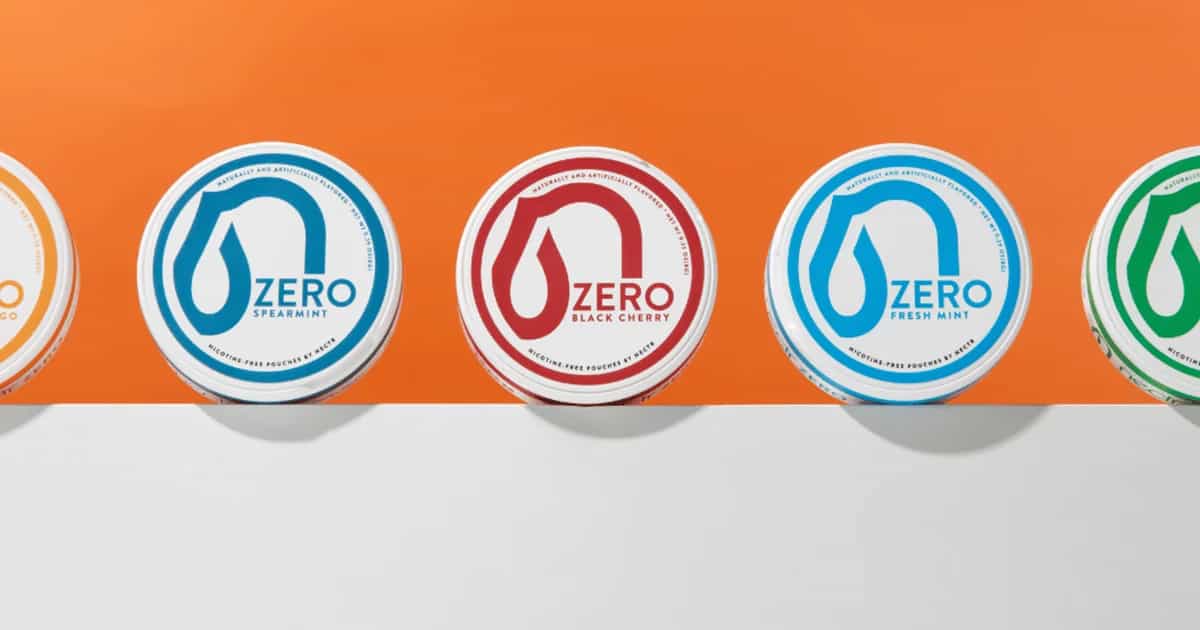
Nectr Focus pairs 62.5mg Cognizin® Citicoline with 30mg caffeine for sustained mental clarity — no nicotine, no jitters.
Why Cognizin® is the standout
Cognizin® is a patented form of citicoline, a natural compound that:
- Serves as a precursor to phosphatidylcholine (a major neural membrane component).
- Supports acetylcholine synthesis (attention, memory neurotransmitter).
- Has been studied in multiple placebo-controlled human trials showing improvements in attention, working memory, and cognitive speed.
- Has GRAS status from the FDA.
- Doesn't cause dependency or withdrawal.
It passes all five Giurgea criteria — which nicotine cannot.
For people currently using nicotine for "focus"
- You're not getting a cognitive upgrade — you're managing a deficit you created.
- Real nootropics build your baseline rather than cycling deficit/restoration.
- A Nectr Focus pouch (Cognizin® + caffeine) delivers the sublingual absorption and alertness you want from a pouch with none of the dependency pharmacology.
- Long-term cognition improves when you're not running on a cycle of dependency.
Frequently Asked Questions
Does nicotine actually improve focus?
Acutely, in non-users — yes. In regular users, it mostly restores baseline lost to dependency. Not the same as augmentation.
Is caffeine a better nootropic than nicotine?
Yes, when you account for dependency and cardiovascular cost. Caffeine has modest tolerance but nothing like nicotine's.
Can you use nicotine as a nootropic without addiction?
Irregular, infrequent use has lower dependency risk, but daily use creates dependency within weeks for most people. Hard to use "as a nootropic" without drifting into dependency.
What's the best nootropic pouch?
Nectr Focus — 62.5mg Cognizin® Citicoline + 30mg caffeine per pouch, which matches the clinical-dose window for citicoline when used 4× daily.