
Snus vs Zyn: What's the Difference?
Short answer: Snus contains real tobacco leaf and has been used in Sweden for over 200 years. Zyn is a modern, tobacco-free nicotine pouch that uses synthetic or extracted nicotine salt. The key differences are tobacco content, health risk profile, flavor, legal status, and cultural context. Both deliver nicotine; neither is risk-free.
What Is Snus?
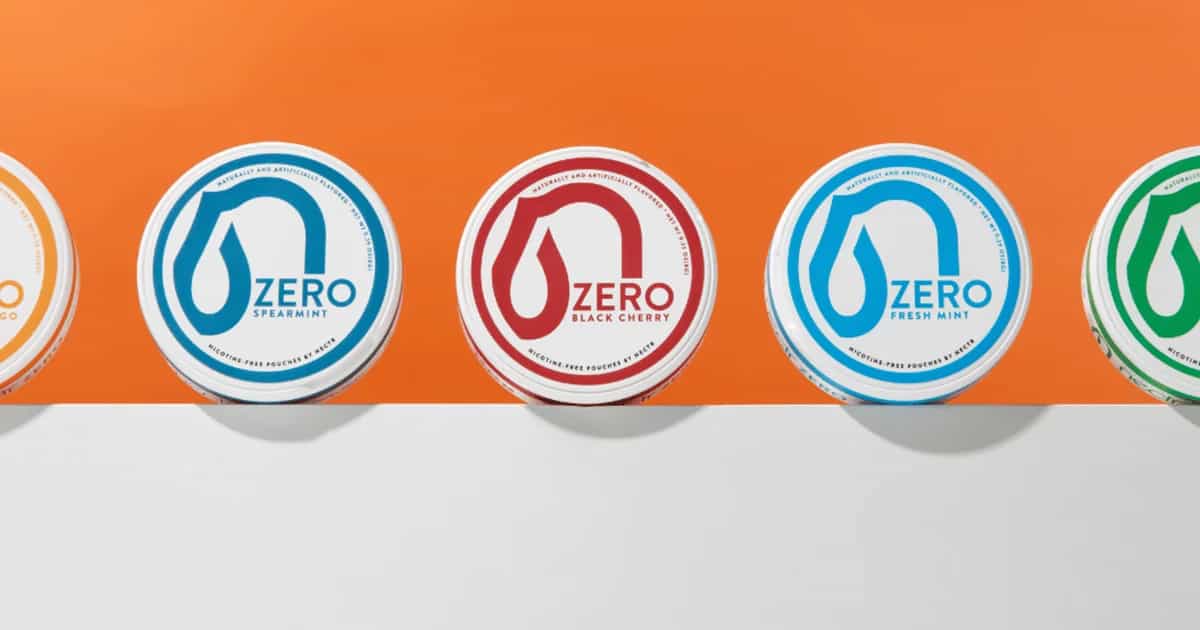
Zero Pouches
View All →


Snus (pronounced "snoose") is a moist, ground tobacco product originating from Sweden in the 18th century. It comes in loose form or pre-portioned pouches placed under the upper lip. Unlike American chewing tobacco, snus is steam-pasteurized rather than fire-cured, which significantly reduces the formation of tobacco-specific nitrosamines (TSNAs) — the carcinogens most associated with oral cancer in smokeless tobacco.
Popular brands include General, Ettan, Göteborgs Rapé, and Lundgrens. Snus is deeply embedded in Swedish culture and is often credited with Sweden having the lowest male smoking rate in Europe.
What Is Zyn?
Zyn is a tobacco-free nicotine pouch. Instead of ground tobacco, it uses pharmaceutical-grade nicotine salt bound to plant-based fibers. The pouch is placed the same way as snus — under the upper lip — and nicotine absorbs through the gum tissue. Zyn was developed by Swedish Match (the same company behind General snus) and launched in the US market in 2014.
Full Comparison: Snus vs Zyn vs Nicotine-Free Pouches
| Factor | Snus | Zyn | Nectr (Nicotine-Free) |
|---|---|---|---|
| Contains tobacco | Yes — ground tobacco leaf | No — tobacco-free | No |
| Nicotine | 8–22 mg per portion (varies) | 3 mg or 6 mg per pouch | 0 mg |
| Nicotine source | Natural (from tobacco) | Extracted/synthetic nicotine salt | None |
| TSNAs (carcinogens) | Low (pasteurized) but present | Undetectable/negligible | None |
| Oral cancer risk | Very low (Swedish studies) but not zero | No long-term data; lower theoretical risk | No known risk |
| Flavor | Earthy, tobacco-forward, bergamot, juniper | Mint, fruit, coffee — no tobacco taste | Mint, fruit, coffee — no tobacco taste |
| Teeth staining | Yes — brown discoloration over time | Minimal to none | None |
| Spit required | No (designed to be spit-free) | No | No |
| Legal in EU | Banned (except Sweden) | Legal in most countries | Legal everywhere |
| Legal in US | Legal | Legal | Legal |
| Manufacturing | Sweden (steam pasteurization) | Sweden / USA | Sweden (GMP certified) |
| Addiction potential | High | High | None |
| Functional ingredients | None | None | Caffeine, Cognizin® Citicoline |
Health Risks: Snus vs Zyn
The Snus Safety Record
Sweden offers a unique natural experiment. Snus use is widespread among Swedish men (roughly 20% daily use), while smoking rates are among the lowest in Europe. Epidemiological data spanning decades shows that Swedish snus users have significantly lower rates of lung cancer, oral cancer, and cardiovascular disease compared to smokers.
However, snus is not harmless. It still contains tobacco-specific nitrosamines (albeit at much lower levels than fire-cured products like American dip), and some studies link heavy use to increased risk of pancreatic cancer and cardiovascular events. The WHO's IARC classifies smokeless tobacco as a Group 1 carcinogen, though critics argue this classification doesn't account for the pasteurized snus process.
Zyn's Theoretical Advantage
By removing tobacco entirely, Zyn eliminates TSNAs from the equation. The primary remaining risk factors are nicotine itself (cardiovascular effects, addiction) and potential gum tissue irritation. Long-term epidemiological data for nicotine pouches doesn't exist yet — the product category is too new. Theoretically, the risk profile should be better than snus, but this hasn't been proven over decades the way snus data has been accumulated.
Flavor and Experience
Snus has a distinctive, earthy tobacco flavor that many users describe as an acquired taste. Premium brands like General feature complex flavor profiles with bergamot, herbs, and subtle smokiness. Snus culture is similar to craft coffee or fine whiskey — experienced users develop refined preferences.
Zyn tastes nothing like tobacco. Flavors are clean, mint-forward, and accessible to people who've never used any tobacco product. This lower barrier to entry is both an advantage (easy to try) and a concern (potentially attracts non-tobacco users to nicotine).
Legal Status
This is where it gets complicated. Snus is banned in the entire European Union except Sweden (which negotiated an exemption when joining the EU in 1995). You cannot legally sell snus in Germany, France, the UK, or any other EU country. Zyn-style nicotine pouches, because they contain no tobacco, fall outside these tobacco-specific bans and are legal in most EU countries.
In the US, both snus and nicotine pouches are legal. Swedish Match's General snus received FDA Modified Risk Tobacco Product (MRTP) authorization in 2019, allowing it to be marketed as presenting lower risk than cigarettes.
Nectr Energy Pouches are made in Sweden with GMP-certified manufacturing. Same quality, same format, zero nicotine. Build a bundle and save up to 35% on your first order, then 25%.
Looking for a Nicotine-Free Alternative?
Whether you're a snus user, a Zyn user, or just curious about pouches, Nectr offers the same lip-pouch format with functional ingredients instead of nicotine. Focus Pouches contain Cognizin® Citicoline for cognitive support, Energy Pouches deliver 50 mg caffeine, and Zero Pouches have no stimulants at all.
Made in Sweden, just like snus — but without the tobacco, nicotine, or addiction.
Frequently Asked Questions
Does snus have tobacco?
Yes. Snus is made from ground, steam-pasteurized tobacco. This is the fundamental difference between snus and modern nicotine pouches like Zyn, which are tobacco-free.
Is Zyn the same as snus?
No. Zyn is a tobacco-free nicotine pouch. Snus contains actual tobacco. They're used the same way (under the upper lip), but the ingredients are fundamentally different. Interestingly, both Zyn and the leading snus brand General are made by the same company — Swedish Match.
Which is healthier — snus or Zyn?
Zyn likely has a better risk profile because it eliminates tobacco and the trace carcinogens (TSNAs) found in snus. However, snus has decades of epidemiological safety data showing low harm relative to smoking, while Zyn is too new for long-term studies. Both carry risks from nicotine itself.
Is snus legal in the US?
Yes. Snus is legal throughout the United States. Swedish Match's General snus even has FDA Modified Risk Tobacco Product authorization. Snus is banned in the EU except Sweden.
Can you swallow snus?
Swallowing small amounts of snus juice (saliva mixed with snus) is generally considered safe, though it may cause stomach discomfort or nausea. You should not intentionally swallow the pouch itself. The same applies to Zyn pouches — spit or discard after use.
Why do Swedes use snus instead of smoking?
Cultural and regulatory factors. Sweden has a centuries-long tradition of oral tobacco use, and public health authorities have been relatively tolerant of snus compared to cigarettes. The result: Sweden has the lowest male smoking rate and one of the lowest lung cancer rates in Europe.