
Caffeine Overdose Calculator: How Much Caffeine Is Too Much?
Caffeine overdose occurs when you consume enough caffeine to produce toxic symptoms — typically above 400mg per day for healthy adults, according to the FDA. True caffeine toxicity (requiring medical attention) usually occurs at 1,200mg or more in a short period, with lethal doses estimated at 5,000-10,000mg for most adults. The most common symptoms of overconsumption — jitteriness, anxiety, rapid heartbeat, digestive distress — begin well before toxic levels, usually at 300-600mg depending on individual tolerance.
This article is for informational purposes only and is not medical advice. If you suspect caffeine overdose, contact Poison Control (1-800-222-1222) or call 911.
Key Takeaways
- The FDA recommends a maximum of 400mg of caffeine per day for healthy adults — roughly four 8oz cups of coffee.
- Symptoms of overconsumption (anxiety, jitters, rapid heartbeat) typically begin at 300-600mg depending on tolerance and body weight.
- True caffeine toxicity requiring medical attention usually occurs above 1,200mg consumed in a short period.
- Lower-dose caffeine sources like caffeine pouches (50mg each) make it easier to track intake and avoid overconsumption.
- Children, pregnant women, and people with heart conditions should consume significantly less than the 400mg guideline.
FDA Caffeine Guidelines by Population
| Population | Recommended Daily Maximum | Notes |
|---|---|---|
| Healthy adults | 400mg | FDA guideline — "not generally associated with dangerous, negative effects" |
| Pregnant women | 200mg | American College of Obstetricians and Gynecologists (ACOG) recommendation |
| Breastfeeding women | 200-300mg | Small amounts pass through breast milk; may affect infant sleep |
| Adolescents (12-18) | 100mg | American Academy of Pediatrics recommendation |
| Children (under 12) | Not recommended | No established safe dose; AAP discourages caffeine for children |
| People with heart conditions | Consult physician | Caffeine can increase heart rate and blood pressure; individual guidance needed |
| People with anxiety disorders | Varies — often <200mg | Caffeine can trigger or worsen anxiety symptoms; titrate to personal tolerance |
How Many Servings to Reach 400mg?
This is the most practical reference in this article. Here is how many servings of common caffeine sources it takes to reach the FDA's 400mg daily maximum:
| Caffeine Source | Caffeine per Serving | Servings to Reach 400mg |
|---|---|---|
| Nectr Energy pouch | 50mg | 8 pouches |
| Nectr Focus pouch | 30mg | 13 pouches |
| Drip coffee (8 oz) | 95mg | ~4 cups |
| Drip coffee (16 oz) | 190mg | ~2 cups |
| Espresso (single shot) | 63mg | ~6 shots |
| Red Bull (8.4 oz) | 80mg | 5 cans |
| Monster Energy (16 oz) | 160mg | 2.5 cans |
| Bang / Reign (16 oz) | 300mg | 1.3 cans |
| Cold brew (12 oz) | 200mg | 2 cups |
| Green tea (8 oz) | 28mg | ~14 cups |
| Coca-Cola (12 oz) | 34mg | ~12 cans |
| Pre-workout supplement | 150-400mg | 1-2.5 scoops |
| Caffeine pill (NoDoz) | 200mg | 2 pills |
Notice the practical advantage of lower-dose sources: you would need 8 Nectr Energy pouches to hit the 400mg limit, but only 1.3 cans of Bang Energy. The lower the dose per serving, the harder it is to accidentally overconsume.
Symptoms of Caffeine Overconsumption
Symptoms escalate with dose. Here is what to expect at different levels of caffeine intake:
Mild Overconsumption (300-400mg for sensitive individuals)
- Jitteriness and restlessness
- Increased heart rate (tachycardia)
- Mild anxiety or nervousness
- Difficulty concentrating (paradoxically — too much stimulation)
- Frequent urination (caffeine is a mild diuretic)
Moderate Overconsumption (400-800mg)
- Pronounced anxiety or panic-like symptoms
- Heart palpitations
- Headache
- Digestive distress (nausea, diarrhea, stomach cramps)
- Insomnia (even if consumed many hours before bedtime)
- Muscle tremors or twitching
Severe Overconsumption / Toxicity (1,200mg+)
- Vomiting
- Chest pain
- Irregular heartbeat (arrhythmia)
- Seizures (rare, but documented at very high doses)
- Confusion or disorientation
- Seek immediate medical attention if you experience any of these symptoms
Potentially Lethal (5,000-10,000mg)
Caffeine fatalities are extremely rare and almost always involve pure caffeine powder or pills, not beverages or food products. The lethal dose for most adults is estimated at 5,000-10,000mg (equivalent to 50-100 cups of coffee or 100-200 Nectr Energy pouches), consumed in a very short timeframe. It is virtually impossible to reach lethal levels through normal food and beverage consumption.
Why Precise Dosing Matters
One of the biggest risks with caffeine overconsumption is not knowing how much you are actually consuming. Coffee is notoriously variable — caffeine content can range from 75-200mg per 8oz cup depending on the bean, roast, and brewing method. Energy drinks are better labeled but often contain 2-3 servings per can (a detail many consumers miss).
Caffeine pouches solve this problem with precise, consistent dosing. Every Nectr Energy pouch contains exactly 50mg of caffeine. Every Nectr Focus pouch contains exactly 30mg of caffeine plus 62.5mg of Cognizin® Citicoline. There is no guessing, no batch variation, and no accidentally consuming two servings when you thought you were having one.
This precision makes it straightforward to manage your daily intake. If your goal is to stay under 400mg, you know exactly where you stand after each pouch — a level of control that coffee, energy drinks, and especially caffeine pills do not provide as cleanly.
What to Do If You Have Had Too Much Caffeine
If you are experiencing mild to moderate symptoms of caffeine overconsumption:
- Stop consuming caffeine immediately. This includes coffee, tea, energy drinks, pre-workout, and caffeine pouches.
- Drink water. Hydration helps but does not speed up caffeine metabolism — it just addresses the dehydration that caffeine's diuretic effect causes.
- Eat something. Food slows the absorption of any remaining caffeine in your digestive tract.
- Move your body gently. Light walking can help manage anxiety and burn off some of the adrenaline response. Avoid intense exercise, which can compound cardiovascular stress.
- Wait it out. Caffeine's half-life is approximately 5 hours. Symptoms will begin subsiding as levels drop.
- Seek medical attention if you experience chest pain, irregular heartbeat, vomiting, confusion, or seizures. Call Poison Control at 1-800-222-1222 or 911.
Building a Sustainable Daily Caffeine Routine
Rather than worrying about overdose limits, build a caffeine routine that keeps you well within safe bounds while maximizing alertness:
- Morning: One coffee (95-190mg) for your baseline caffeine. This is your largest single dose of the day.
- Early afternoon (12-2 PM): One Nectr Energy pouch (50mg) for a precise afternoon boost without overshooting your daily limit.
- Late afternoon (3-5 PM): One Nectr Focus pouch (30mg) for gentle focus support that clears before bedtime.
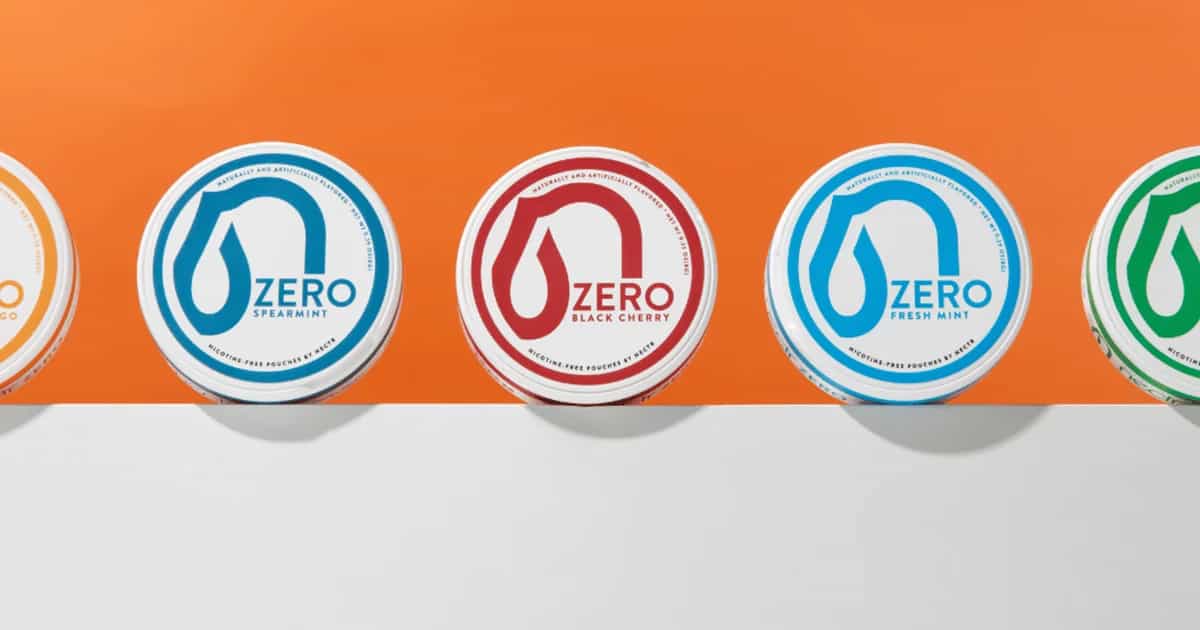
- Evening: Switch to Nectr Zero for the oral ritual without any caffeine.
This sample routine totals 175-270mg of caffeine — well under the 400mg limit with plenty of headroom, and timed so that virtually all caffeine clears your system before sleep.
Build your ideal mix with the Bundle Builder — 10% off at 10+ cans, 15% off at 15+ cans, and 35% off your first subscription order.
Frequently Asked Questions
How much caffeine does it take to overdose?
The FDA defines 400mg per day as generally safe for healthy adults. Symptoms of overconsumption (jitters, anxiety, rapid heartbeat) often begin at 300-600mg depending on individual tolerance. True caffeine toxicity requiring medical attention typically occurs above 1,200mg consumed in a short period. Lethal doses are estimated at 5,000-10,000mg — virtually impossible to reach through normal beverages.
Can you overdose on caffeine pouches?
It would be extremely difficult. At 50mg per pouch, you would need to consume 8 Nectr Energy pouches to reach the FDA's 400mg daily limit and 24+ pouches to approach toxicity levels. The low dose per serving and the time it takes to use each pouch make accidental overconsumption very unlikely. However, you should still be mindful of caffeine from all sources throughout your day. For more on pouch safety, see our guide on caffeine pouch safety.
What are the symptoms of too much caffeine?
Common symptoms include jitteriness, anxiety, rapid or irregular heartbeat, digestive issues (nausea, diarrhea), headache, insomnia, and muscle tremors. Severe symptoms include vomiting, chest pain, confusion, and (rarely) seizures. If you experience severe symptoms, contact Poison Control at 1-800-222-1222 or seek emergency medical attention.
How long does caffeine overdose last?
Mild overconsumption symptoms typically resolve within 4-6 hours as caffeine levels drop. More severe symptoms from very high doses may take 12-24 hours to fully resolve. There is no way to accelerate caffeine metabolism — you have to wait for your liver to process it naturally. Staying hydrated and eating food can help manage symptoms during this period.
Is 1000mg of caffeine dangerous?
1,000mg of caffeine in a single day exceeds the FDA's recommended maximum by 2.5 times and would produce significant symptoms in most people — including pronounced anxiety, heart palpitations, digestive distress, and insomnia. While not typically life-threatening for healthy adults, it is clearly unhealthy and could be dangerous for people with heart conditions or caffeine sensitivity. If you have consumed this amount and feel unwell, contact Poison Control.