
Does Nicotine Cause Cancer? What Science Actually Says
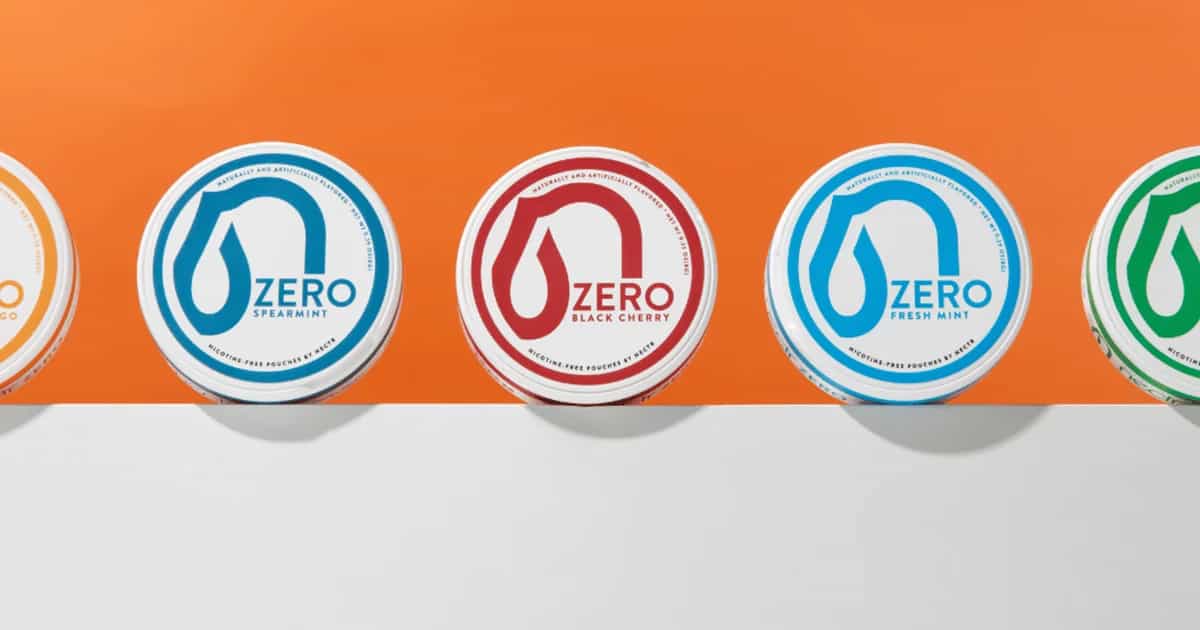
Does nicotine cause cancer? No — nicotine itself is not classified as a carcinogen by the International Agency for Research on Cancer (IARC) or the U.S. National Toxicology Program (NTP). However, nicotine is not harmless. Emerging research suggests it may promote tumor growth in cells that are already cancerous and may impair DNA repair mechanisms. The overwhelming cancer risk from tobacco products comes from combustion byproducts and tobacco-specific nitrosamines (TSNAs), not from nicotine alone.
This article is for informational purposes only and is not medical advice. Consult your healthcare provider for personalized guidance.
Key Takeaways
- Nicotine is not classified as a carcinogen by any major health agency, including the IARC, NTP, and FDA.
- However, nicotine may act as a tumor promoter — accelerating the growth of existing cancer cells rather than initiating cancer.
- The primary cancer risk from tobacco comes from combustion (tar, carbon monoxide, TSNAs), not nicotine itself.
- Nicotine pouches remove combustion and tobacco leaf but still deliver nicotine, which carries cardiovascular and dependency risks.
- Nicotine-free alternatives like Nectr Zero pouches eliminate both tobacco and nicotine risks entirely.
What Is Nicotine, Exactly?
Nicotine is an alkaloid found naturally in the nightshade family of plants, most notably tobacco. It is also present in trace amounts in tomatoes, potatoes, and eggplants. When consumed, nicotine binds to nicotinic acetylcholine receptors in the brain, triggering the release of dopamine and norepinephrine. This produces the characteristic feelings of alertness, focus, and mild euphoria that make nicotine highly addictive.
But being addictive and being carcinogenic are two very different things. Caffeine is addictive too, yet no one classifies it as a cancer risk. The question is whether nicotine, isolated from tobacco and its combustion products, directly causes the DNA mutations that initiate cancer.
What Do Major Health Agencies Say?
The scientific consensus is remarkably consistent on this point:
| Agency | Classification | Key Statement |
|---|---|---|
| IARC (WHO) | Not classified as carcinogenic | Nicotine is not included in any IARC carcinogen group (1, 2A, 2B, or 3) |
| NTP (U.S.) | Not listed as carcinogen | Not included in the Report on Carcinogens |
| FDA | Acknowledges addiction risk, not cancer causation | "Nicotine is not directly responsible for cancer" — FDA nicotine education materials |
| Royal College of Physicians (UK) | Low direct cancer risk | 2016 report concluded nicotine alone poses minimal cancer risk |
| American Cancer Society | Not a direct carcinogen | Cancer risk from tobacco is primarily from other chemicals, not nicotine |
The Nuance: Nicotine as a Tumor Promoter
While nicotine does not appear to initiate cancer (cause the first DNA mutation that turns a healthy cell cancerous), laboratory studies suggest it may act as a tumor promoter. This is an important distinction:
- Initiation: Causing the original DNA mutation that creates a cancer cell. Nicotine has not been shown to do this reliably in human studies.
- Promotion: Helping existing cancer cells grow, divide, and resist treatment. Several in vitro and animal studies suggest nicotine may do this.
A 2014 review published in Nature Reviews Cancer found that nicotine can activate cell signaling pathways (particularly the nAChR-mediated pathways) that promote cell proliferation, inhibit apoptosis (programmed cell death), and stimulate angiogenesis (blood vessel growth in tumors). These effects were observed primarily in laboratory settings with cancer cell lines, not in epidemiological studies of nicotine users.
A 2019 study in Proceedings of the National Academy of Sciences found that nicotine and its metabolite NNK could damage DNA in mouse lung and bladder cells, though the relevance to human oral nicotine use at typical doses remains debated.
The bottom line: if you already have cancer or pre-cancerous cells, nicotine could theoretically make things worse. But there is no strong evidence that nicotine, by itself, causes cancer in healthy tissue at the doses found in consumer products.
What Actually Causes Cancer in Tobacco Products?
When tobacco is burned (cigarettes) or fermented (chewing tobacco, snuff), it produces or concentrates dozens of known carcinogens:
- Tobacco-specific nitrosamines (TSNAs): NNK and NNN — formed during tobacco curing and combustion, classified as Group 1 carcinogens by IARC
- Polycyclic aromatic hydrocarbons (PAHs): Benzo[a]pyrene and others — formed during incomplete combustion
- Volatile organic compounds: Formaldehyde, benzene, acetaldehyde
- Heavy metals: Cadmium, arsenic, lead — absorbed from soil during tobacco growing
- Carbon monoxide: From combustion, damages cardiovascular system
These substances, not nicotine, are responsible for the roughly 480,000 annual deaths attributed to smoking in the United States. When you remove combustion and tobacco leaf from the equation — as nicotine pouches do — you remove the vast majority of known carcinogens.
Nicotine Pouches vs. Cigarettes vs. Chewing Tobacco: Cancer Risk Comparison
| Risk Factor | Cigarettes | Chewing Tobacco | Nicotine Pouches | Nicotine-Free Pouches |
|---|---|---|---|---|
| Combustion byproducts | Yes (tar, CO, PAHs) | No | No | No |
| Tobacco-specific nitrosamines | High levels | High levels | Trace or none | None |
| Tobacco leaf | Yes | Yes | No | No |
| Nicotine | Yes (1-2mg absorbed per cigarette) | Yes (variable) | Yes (2-12mg per pouch) | No |
| Known cancer risk | Very high (lung, throat, bladder, etc.) | High (oral, esophageal, pancreatic) | Not established | None |
| Addiction potential | Very high | Very high | High | None |
The Nicotine-Free Path: Eliminating All Risk
If you are concerned about the potential cancer-promoting effects of nicotine — even the theoretical ones — the simplest solution is to remove nicotine from the equation entirely. Nicotine-free pouches provide the oral satisfaction, ritual, and in some cases functional benefits without any nicotine exposure.
Nectr Zero pouches contain zero nicotine, zero tobacco, and zero stimulants. They are designed for people who want the pouch experience without any of the substances that raise health concerns. For those who want functional benefits, Nectr's full lineup includes caffeine pouches (50mg) and nootropic pouches with Cognizin® Citicoline for focus — all without nicotine or tobacco.
If you are currently using nicotine pouches and want to transition to nicotine-free alternatives, consider a gradual tapering approach. Stepping down your nicotine strength over 4-6 weeks while supplementing with nicotine-free pouches during low-craving periods can make the transition significantly smoother.
What About Long-Term Nicotine Pouch Studies?
One of the biggest limitations in this discussion is the lack of long-term epidemiological data on nicotine pouches specifically. The product category is relatively new — Swedish snus has decades of data, but modern white nicotine pouches (Zyn, On!, Velo) have only been widely available since approximately 2016-2018.
Swedish snus data is informative because it delivers nicotine orally without combustion, similar to pouches. Multiple large-scale studies (including a landmark 2017 meta-analysis in the International Journal of Cancer) found no statistically significant increase in oral cancer risk among snus users. The Swedish male population has the highest smokeless tobacco use rate in Europe and the lowest rate of tobacco-related cancers, suggesting that removing combustion dramatically reduces cancer risk even when nicotine is still present.
However, snus still contains tobacco leaf and small amounts of TSNAs. Modern nicotine pouches contain no tobacco leaf at all, which should theoretically make their risk profile even lower. We simply need more years of data to confirm this.
Frequently Asked Questions
Is nicotine a carcinogen?
No. Nicotine is not classified as a carcinogen by the IARC, NTP, FDA, or any other major health agency. However, it is highly addictive and may promote the growth of existing tumors according to some laboratory studies. The cancer risk from tobacco products comes primarily from combustion byproducts and tobacco-specific nitrosamines, not from nicotine itself.
Can nicotine pouches give you cancer?
There is currently no evidence that nicotine pouches cause cancer. They contain no tobacco leaf and produce no combustion, removing the two primary sources of carcinogens in traditional tobacco products. Long-term studies are still ongoing, but the risk profile appears significantly lower than cigarettes or chewing tobacco.
Is nicotine worse than caffeine for cancer risk?
Neither nicotine nor caffeine is classified as a carcinogen. Some research actually suggests caffeine may have protective effects against certain cancers (liver, colorectal), though this is not conclusive. Nicotine has been shown to potentially promote tumor growth in lab settings, while caffeine has not. From a cancer-risk perspective, caffeine appears to be the safer stimulant.
What is the safest way to get the pouch experience without cancer risk?
Nicotine-free, tobacco-free pouches carry zero known cancer risk. Products like Nectr Zero provide the oral ritual and satisfaction without any nicotine, tobacco, or combustion. For functional benefits, caffeine pouches and nootropic pouches offer energy and focus without any cancer-associated substances.
Does Swedish snus cause cancer?
Large-scale epidemiological studies of Swedish snus users have found no statistically significant increase in oral cancer risk. A 2017 meta-analysis in the International Journal of Cancer confirmed this finding. However, snus still contains tobacco leaf with trace TSNAs, so it is not entirely risk-free. Modern nicotine pouches and nicotine-free pouches have an even more favorable risk profile because they contain no tobacco leaf at all.