10 Coffee Alternatives for Energy Without the Downsides
The best coffee alternatives deliver caffeine or energy-boosting compounds without coffee's downsides — jitters from high doses, teeth staining from tannins, digestive issues from acidity, and the mid-afternoon crash from sugar-loaded coffee drinks. Whether you are cutting back on caffeine, avoiding coffee for health reasons, or simply want a more portable, precise, or functional energy source, these 10 alternatives range from zero-caffeine options to smart-caffeine stacks that outperform coffee on focus and clarity.
Key Takeaways
Energy Pouches
View All →


- Coffee delivers 95-200 mg of caffeine per cup — more than most people need for alertness, and enough to cause jitters and crashes.
- Lower-dose caffeine sources (30-50 mg) like caffeine pouches can provide the same alertness without the downsides.
- Nootropic alternatives like Cognizin® Citicoline enhance focus through different mechanisms than caffeine, and can be used alone or in combination.
- The best alternative depends on your goal: energy, focus, ritual replacement, or total caffeine elimination.
1. Caffeine Pouches
Best for: Precise dosing, portability, zero mess
Caffeine pouches deliver 30-50 mg of caffeine sublingually (through the gum lining) in as little as 10-15 minutes. Unlike coffee, you know exactly how much caffeine you are getting, there is no sugar or calories, no teeth staining, and nothing to brew, carry, or spill. Nectr Energy Pouches deliver 50 mg per pouch — enough for a noticeable energy boost without the 95-200 mg payload of a full cup of coffee.
Caffeine content: 30-50 mg per pouch
2. Nootropic Pouches
Best for: Focus and cognitive performance, not just energy
Nootropic pouches go beyond caffeine by adding brain-supporting compounds. Nectr Focus Pouches combine 30 mg of caffeine with 62.5 mg of Cognizin® Citicoline — a clinically studied nootropic that boosts acetylcholine production for sharper attention and memory. The result is calm, sustained focus rather than the wired-then-tired cycle of coffee.
Caffeine content: 30 mg per pouch + nootropics
3. Matcha
Best for: Sustained energy with antioxidants
Matcha is powdered green tea that delivers 30-70 mg of caffeine per serving along with L-theanine, an amino acid that promotes calm alertness. The caffeine-plus-L-theanine combination releases energy more gradually than coffee, reducing the spike-and-crash pattern. Matcha also contains catechins — antioxidants that support cardiovascular and metabolic health.
Caffeine content: 30-70 mg per serving
4. Green Tea
Best for: Light energy with minimal side effects
Green tea delivers 25-50 mg of caffeine per cup — roughly one-quarter to one-half the amount in coffee. Like matcha, it contains L-theanine for smooth, focused energy. It is also lower in tannins than coffee, which means less teeth staining and less digestive irritation.
Caffeine content: 25-50 mg per cup
5. Yerba Mate
Best for: Coffee-level energy with a smoother feel
Yerba mate is a South American tea that delivers 30-85 mg of caffeine per cup, depending on preparation. It contains theobromine (also found in chocolate), which provides a gentler, longer-lasting stimulant effect than caffeine alone. Many people report that mate gives them coffee-like energy without the anxiety or crash.
Caffeine content: 30-85 mg per cup
6. Mushroom Coffee
Best for: Coffee lovers who want to reduce caffeine
Mushroom coffee blends regular coffee with functional mushroom extracts like lion's mane (cognitive support) and chaga (antioxidants). Most blends contain roughly half the caffeine of regular coffee (40-50 mg) because the coffee is diluted with mushroom powder. The result is a familiar coffee taste with lower caffeine and added functional benefits.
Caffeine content: 40-50 mg per cup
7. Black Tea
Best for: A familiar ritual with moderate caffeine
Black tea delivers 40-70 mg of caffeine per cup — a moderate dose that provides steady alertness without the intensity of coffee. It contains L-theanine (though less than green tea or matcha) and has been associated with reduced cardiovascular risk in long-term studies.
Caffeine content: 40-70 mg per cup
8. B-Vitamin Energy Supplements
Best for: Caffeine-free natural energy
B vitamins (particularly B6, B9, and B12) are essential cofactors in your body's energy metabolism — they help convert food into cellular energy (ATP). While they do not provide a stimulant boost like caffeine, correcting a B-vitamin deficiency can noticeably improve baseline energy levels, reduce fatigue, and support cognitive function. These are available as sublingual tablets or liquid drops for fast absorption.
Caffeine content: 0 mg
9. Cold Water + Movement
Best for: Completely free, zero-substance energy
A glass of cold water and 10 minutes of movement (walking, stretching, or bodyweight exercises) can increase alertness as effectively as a low dose of caffeine, according to research published in Physiology & Behavior. Dehydration is one of the most common causes of fatigue, and physical activity triggers adrenaline, endorphins, and increased cerebral blood flow.
Caffeine content: 0 mg
10. Nectr Zero Pouches
Best for: Oral ritual replacement with zero stimulants
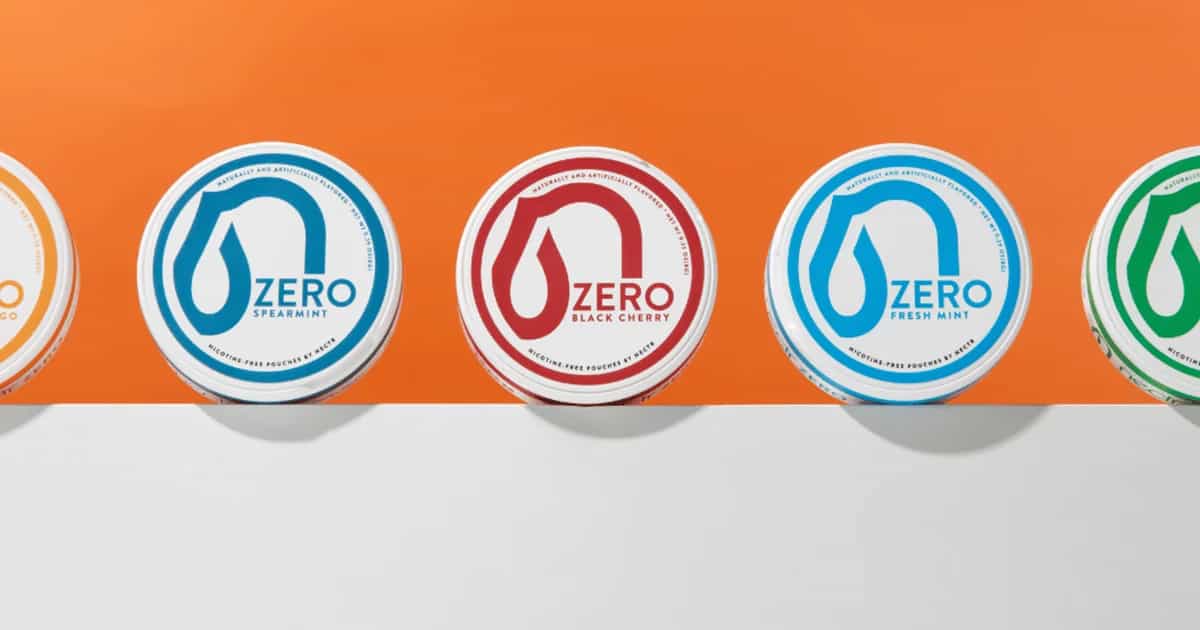
If your coffee habit is as much about the ritual as the caffeine, Nectr Zero Pouches give you something to reach for without any stimulants at all. Zero nicotine, zero caffeine, zero tobacco — just flavor in a pouch. They are especially useful for people quitting both coffee and nicotine who want to keep the oral habit without the substance.
Caffeine content: 0 mg
How to Choose the Right Coffee Alternative
| Your Goal | Best Option |
|---|---|
| Same energy, no mess | Caffeine pouches (50 mg) |
| Better focus + energy | Nootropic pouches (caffeine + Cognizin®) |
| Gradual energy, no crash | Matcha or green tea |
| Coffee taste, less caffeine | Mushroom coffee |
| Zero caffeine, keep the ritual | Zero pouches or herbal tea |
| Zero substances | Cold water + movement |
Frequently Asked Questions
What has caffeine but is not coffee?
Many alternatives deliver caffeine without being coffee: tea (green, black, or mate), caffeine pouches, caffeine pills, mushroom coffee blends, and pre-workout supplements. Caffeine pouches are the most portable and precisely dosed option, delivering 30-50 mg per pouch sublingually.
What is the healthiest alternative to coffee?
Green tea and matcha are widely considered the healthiest caffeinated coffee alternatives due to their antioxidant content, lower caffeine dose, and the calming effects of L-theanine. For non-liquid options, nootropic pouches with Cognizin® provide functional brain benefits alongside low-dose caffeine.
How do I get energy without coffee?
The most effective non-coffee energy strategies include: low-dose caffeine pouches (30-50 mg), staying hydrated (dehydration causes fatigue), physical activity (even 10 minutes of walking), adequate sleep (7-9 hours), and correcting any nutritional deficiencies (particularly B vitamins and iron).