
What Is Cotinine? Everything You Need to Know
Cotinine is the primary metabolite of nicotine — the chemical your body produces when it breaks down nicotine. When you use any nicotine product (cigarettes, vapes, nicotine pouches, patches, or gum), your liver converts approximately 70-80% of the nicotine into cotinine. Because cotinine stays detectable in the body much longer than nicotine itself (days to weeks vs. hours), it is the preferred biomarker that labs use to test for nicotine and tobacco use in employment screenings, insurance physicals, and medical evaluations.
Key Takeaways
Zero Pouches
View All →


- Cotinine is what your body produces when it metabolizes nicotine — it is not an ingredient in tobacco products.
- Cotinine is detectable in blood for 1-10 days, urine for 3-4 days (up to 3 weeks for heavy users), saliva for 1-4 days, and hair for up to 90 days.
- Most "nicotine tests" are actually cotinine tests because cotinine has a longer detection window and more stable blood levels.
- The standard cutoff for a positive cotinine urine test is 200 ng/mL in the US.
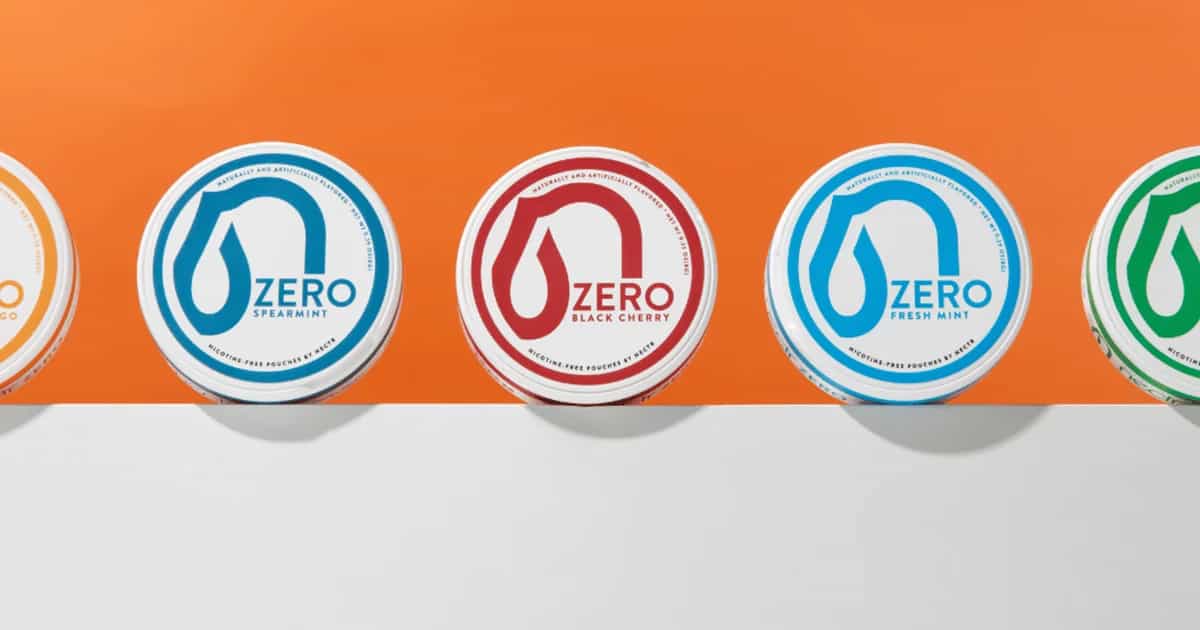
- Nicotine-free products (like Nectr Zero Pouches or Nectr Energy Pouches) do not produce cotinine and will not trigger a positive test.
How Cotinine Is Produced in Your Body
When nicotine enters your bloodstream — whether through smoking, vaping, or a nicotine pouch — it travels to your liver, where an enzyme called CYP2A6 converts it into cotinine. This process begins within minutes of nicotine exposure. Approximately 70-80% of absorbed nicotine is converted to cotinine, making it the most abundant nicotine metabolite in the body.
Nicotine itself has a half-life of only about 2 hours, meaning it clears the blood relatively quickly. Cotinine, however, has a half-life of approximately 16-20 hours — roughly 10 times longer. This is why cotinine is a far more reliable indicator of nicotine use: it remains detectable for days after nicotine itself has cleared.
How Long Does Cotinine Stay in Your System?
| Test Type | Detection Window | Standard Cutoff |
|---|---|---|
| Blood | 1-10 days | 10-15 ng/mL |
| Urine | 3-4 days (occasional), up to 21 days (heavy use) | 200 ng/mL (US standard) |
| Saliva | 1-4 days | Varies by lab |
| Hair | Up to 90 days | Varies by lab |
The exact clearance time depends on several factors: how much nicotine you used, how frequently you used it, your body's metabolism rate, hydration levels, liver function, and genetics. Heavy, long-term nicotine users take significantly longer to clear cotinine because it has accumulated in body tissues over time. For a deeper look at clearance timelines, see our guide on cotinine levels after 7, 14, and 30 days.
Types of Cotinine Tests
Urine Cotinine Test
The most common type of cotinine test used by employers and insurance companies. It is non-invasive, relatively inexpensive, and has a reasonable detection window. The standard cutoff in the US is 200 ng/mL — cotinine levels above this threshold result in a positive (indicating nicotine use).
Blood Cotinine Test
More precise than urine testing and often used for medical assessments. Blood tests can detect cotinine at lower concentrations and provide a more accurate snapshot of recent nicotine use. However, they are more invasive and expensive.
Saliva Cotinine Test
Increasingly used because of its ease of collection — just a swab inside the cheek. Saliva tests have a shorter detection window than urine but are useful for confirming very recent nicotine use.
Hair Cotinine Test
The longest detection window (up to 90 days) but the least common for routine screening. Hair tests are expensive and can detect long-term patterns of nicotine use rather than recent exposure. They are sometimes used in legal proceedings or custody cases.
What Triggers a Positive Cotinine Test?
Any product containing nicotine will produce cotinine in your body:
- Cigarettes, cigars, and pipe tobacco
- Vapes and e-cigarettes (with nicotine)
- Nicotine pouches (Zyn, On!, Velo, etc.)
- Nicotine gum, patches, and lozenges
- Chewing tobacco and snuff
Products that do NOT contain nicotine will NOT produce cotinine and will not trigger a positive test:
- Caffeine pouches (Nectr Energy — zero nicotine)
- Nootropic pouches (Nectr Focus — zero nicotine)
- Zero pouches (Nectr Zero — zero everything)
- Herbal cigarettes (no tobacco or nicotine)
- CBD products (no nicotine)
Frequently Asked Questions
Is cotinine the same as nicotine?
No. Cotinine is a metabolite — a breakdown product — of nicotine. When your liver processes nicotine, it converts approximately 70-80% of it into cotinine. Cotinine is not addictive and has no stimulant effects. It is simply a chemical marker that indicates nicotine was recently in your body.
Can secondhand smoke cause a positive cotinine test?
In most cases, no. Casual secondhand smoke exposure typically produces cotinine levels well below the standard testing cutoffs. However, prolonged, heavy secondhand smoke exposure (such as living with a heavy smoker in a small space) can occasionally produce cotinine levels that approach or exceed the lower testing thresholds used in some blood tests.
How can I pass a cotinine test?
The only reliable way to pass a cotinine test is to stop using nicotine products. Most occasional users will test negative within 4-7 days of stopping. Heavy users may need 2-3 weeks. Staying hydrated and exercising can support your body's natural detoxification processes but will not dramatically accelerate cotinine clearance. For detailed timelines, see our guide to passing a cotinine test in 7 days.