
Study Aids Without Adderall: Safe Alternatives for Focus
If you are searching for study aids without Adderall, you are not alone. The misuse of prescription stimulants on college campuses is well-documented, with studies estimating that 5-35% of college students have used stimulant medication nonmedically (McCabe et al., 2014, Journal of Clinical Psychiatry). The reality is that prescription stimulants carry real risks — dependency, cardiovascular strain, anxiety, insomnia — and are illegal to use without a prescription. The good news: there are safe, legal, and effective alternatives that support the cognitive functions you actually need for studying: sustained attention, memory consolidation, and mental endurance.
Key Takeaways
Focus Pouches
View All →


- Prescription stimulants like Adderall carry risks of dependency, cardiovascular effects, and legal consequences when used without a prescription.
- Legal, evidence-based alternatives include citicoline (Cognizin®), moderate-dose caffeine, omega-3 fatty acids, and structured study habits.
- Sleep, exercise, and nutrition are foundational — no supplement compensates for pulling all-nighters.
- Sublingual delivery (pouches) offers faster, more efficient absorption than pills or energy drinks.
- If you suspect you have ADHD, seek a proper medical evaluation instead of self-medicating.
Why Students Reach for Adderall (and Why It Backfires)
Adderall (mixed amphetamine salts) works by flooding the brain with dopamine and norepinephrine, creating an intense state of focused alertness. For people with ADHD, this corrects a neurotransmitter deficit. For neurotypical students, it creates an artificial hyperfocus that feels productive but comes with costs:
- Tolerance develops quickly: The same dose produces diminishing effects over time, tempting higher doses.
- Crash and rebound: The post-Adderall crash includes fatigue, irritability, and difficulty concentrating — often worse than baseline.
- Sleep disruption: Stimulant-induced insomnia undermines the memory consolidation that happens during sleep, potentially negating the study benefits.
- Cardiovascular risk: Increased heart rate and blood pressure, particularly dangerous during high-stress exam periods.
- Legal risk: Possessing or distributing a Schedule II controlled substance without a prescription is a federal crime.
The irony is that students use Adderall to study better, but the side effects — especially sleep disruption and crash-induced brain fog — can undermine academic performance. There are smarter approaches.
Evidence-Based Study Aid Alternatives
| Alternative | How It Helps | Evidence Level | Format |
|---|---|---|---|
| Citicoline (Cognizin®) | Boosts acetylcholine for attention; increases brain ATP for mental endurance | Strong (RCTs in healthy adults) | Pouches, capsules |
| Caffeine (low-moderate dose) | Blocks adenosine to maintain alertness; improves reaction time | Very strong | Pouches, coffee, tea |
| Omega-3 (DHA) | Supports neuronal membrane health for long-term cognitive function | Moderate | Capsules, fish |
| Active recall + spaced repetition | Forces memory retrieval, strengthening neural pathways | Very strong (educational psychology) | Anki, flashcards |
| Exercise (20-30 min before studying) | Increases BDNF, dopamine, and blood flow to prefrontal cortex | Strong | Any aerobic activity |
| Sleep (7-9 hours) | Memory consolidation during slow-wave and REM sleep | Very strong | Non-negotiable |
How Citicoline and Caffeine Work as Study Aids
The combination of citicoline and caffeine is particularly relevant for studying because it targets the two cognitive systems most important for academic work:
Sustained attention (citicoline): Studying requires holding attention on complex material for extended periods. Citicoline increases acetylcholine — the neurotransmitter that governs sustained attention and working memory. The McGlade et al. (2012) study showed that Cognizin® reduced attentional lapses (omission errors) by a significant margin compared to placebo after 28 days of use.
Alertness and processing speed (caffeine): Caffeine keeps you awake and processing information faster by blocking the adenosine receptors that cause drowsiness. At moderate doses (30-100 mg), it improves reaction time and vigilance without the anxiety and jitters caused by higher doses.
Nectr Focus Pouches deliver both in a single sublingual pouch — 62.5 mg Cognizin® + 30 mg caffeine. Sublingual absorption means effects kick in within 10-15 minutes, compared to the 30-60 minutes it takes for a capsule or the 20-30 minutes for coffee to hit. During a study session, that speed matters. For straight caffeine without nootropics, Nectr Energy Pouches deliver 50 mg per pouch.
Building a Study Session Protocol
Here is a structured approach to studying that maximizes cognitive performance without pharmaceutical stimulants:
- Pre-session (20-30 min before): Do 20 minutes of aerobic exercise — a brisk walk, jog, or bike ride. Exercise increases BDNF and primes your prefrontal cortex for focused work.
- Session start: Place a Nectr Focus Pouch between your lip and gum. By the time you have settled in and opened your materials, the Cognizin® and caffeine are entering your bloodstream.
- Study blocks: Work in 50-minute focused blocks followed by 10-minute breaks (modified Pomodoro). Use active recall — test yourself on the material instead of passively rereading notes.
- Mid-session refresh (2-3 hours in): Swap in a fresh pouch if you feel your attention fading. Stay hydrated.
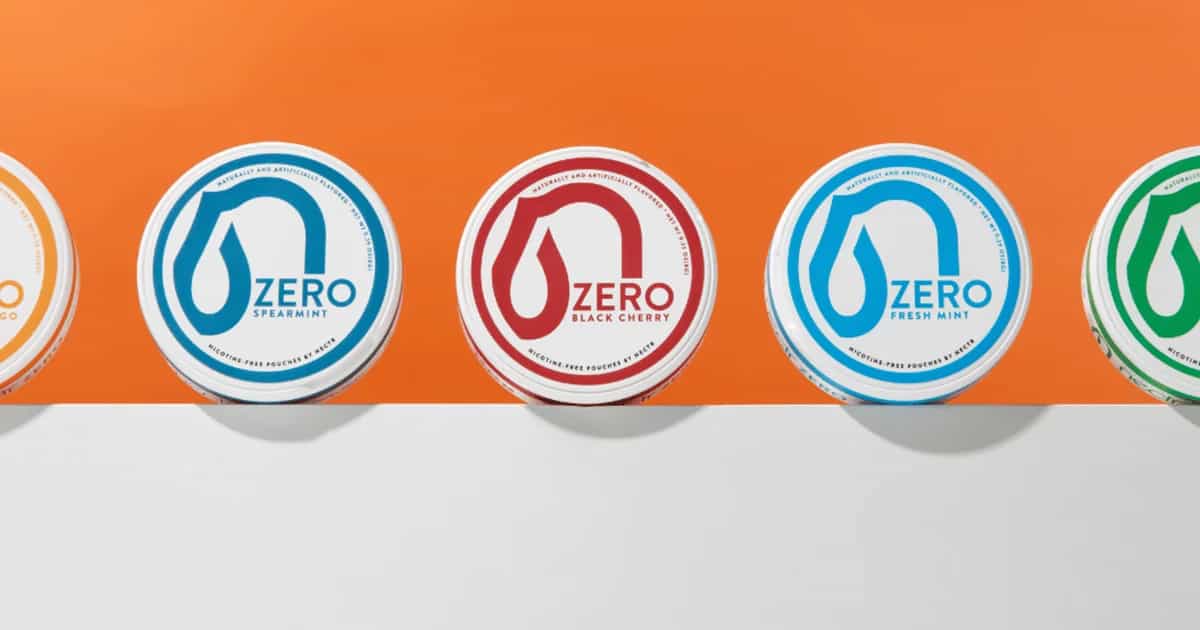
- Evening cutoff: Stop caffeine at least 6 hours before bed. If you want to continue studying, switch to a Nectr Zero Pouch for the oral ritual without stimulants.
- Sleep: Aim for 7-9 hours. Memory consolidation happens during sleep — an all-nighter destroys what you studied. One night of poor sleep can reduce cognitive performance by 20-30%.
Why Sleep Is the Ultimate Study Aid
This cannot be overstated: sleep is not a luxury that competes with study time. It is when your brain converts short-term memories into long-term knowledge. During slow-wave sleep, the hippocampus replays information acquired during the day, transferring it to the neocortex for permanent storage. During REM sleep, the brain integrates new information with existing knowledge, enabling creative problem-solving.
A study published in Nature (Walker & Stickgold, 2004) demonstrated that subjects who slept after learning showed 20-40% better recall than those who stayed awake for the same duration. No supplement — not even Adderall — can replicate what sleep does for memory consolidation.
Frequently Asked Questions
Are nootropic pouches safe for college students?
Yes. Nectr Focus Pouches contain zero nicotine, zero tobacco, and zero sugar. The caffeine content (30 mg) is about a third of a cup of coffee. Cognizin® Citicoline has been studied in healthy adults with an excellent safety profile. They are a far safer choice than unregulated stimulants or excessive energy drink consumption.
How do caffeine pouches compare to coffee for studying?
Caffeine pouches offer faster onset (10-15 minutes sublingual vs 20-30 minutes for coffee), no sugar or calories, and no need for a mug or coffee maker. The dose is also more controlled — each Nectr pouch delivers a precise amount, whereas coffee varies from cup to cup. For students in libraries or lecture halls, pouches are more discreet and portable.
Can I use these alternatives during exams?
Caffeine pouches and nootropic supplements are legal and do not violate any academic integrity policies. They contain no controlled substances. You can use a Nectr pouch during an exam just as you would chew gum — it is discreet and requires no breaks.
What if I think I have ADHD?
If you consistently struggle with attention, organization, and impulsivity across multiple settings (not just during boring lectures), talk to a healthcare provider about ADHD evaluation. Self-diagnosing and self-medicating with stimulants is neither safe nor effective. A proper diagnosis opens the door to evidence-based treatments that can meaningfully improve your quality of life.
Is studying without Adderall really as effective?
For neurotypical students (those without ADHD), research suggests that Adderall's academic benefits are overstated. Studies show it primarily increases confidence and perceived performance rather than actual learning outcomes (Ilieva et al., 2013, Neuropharmacology). Combining proper sleep, exercise, evidence-based study techniques, and safe cognitive support like citicoline and caffeine is a more sustainable and effective strategy.