
Nootropics for ADHD: What Actually Works?
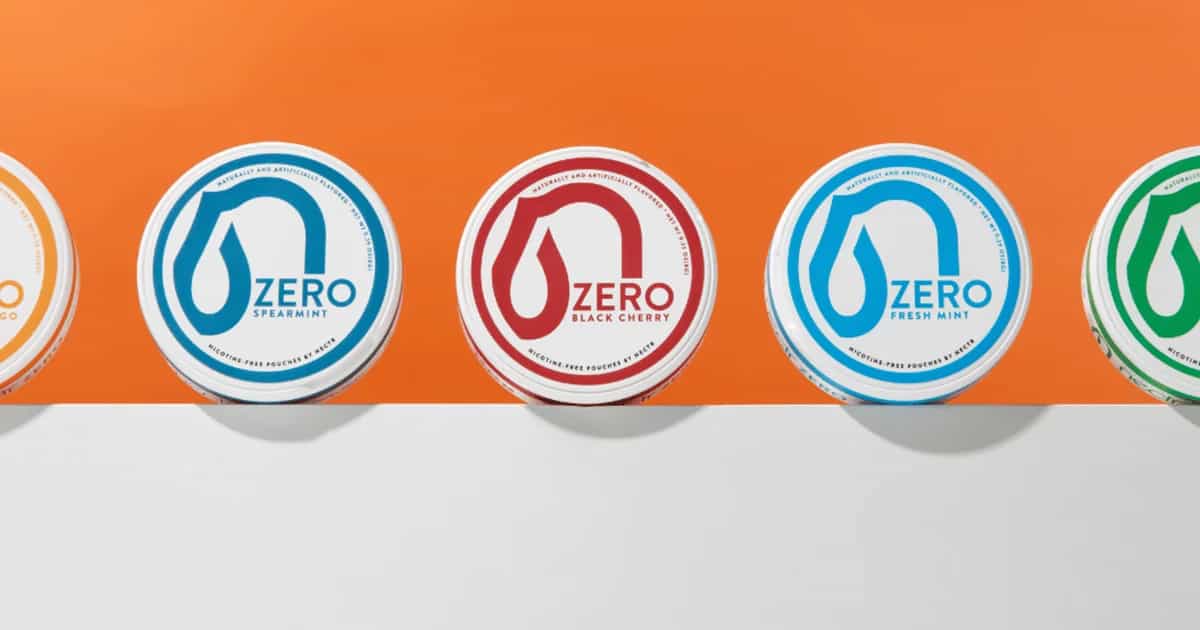
Nootropics for ADHD are supplements and compounds that may support attention, working memory, and executive function — cognitive domains that are often impaired in Attention Deficit Hyperactivity Disorder. While no supplement replaces evidence-based medical treatment, several nootropics have clinical data suggesting they can serve as complementary support alongside conventional ADHD management. This article examines what the research actually shows, compound by compound.
Key Takeaways
Focus Pouches
View All →


- No nootropic replaces FDA-approved ADHD medications — these are potential complementary tools, not substitutes.
- Citicoline, caffeine, and omega-3 fatty acids have the strongest clinical evidence for supporting attention and executive function.
- Always work with a healthcare provider before adding supplements to an ADHD treatment plan.
- Quality matters — branded, clinically studied forms (like Cognizin® for citicoline) ensure you are getting what the research validated.
- Lifestyle factors (sleep, exercise, nutrition) often have as much or more impact than any supplement.
Which Nootropics Have Evidence for ADHD Symptoms?
The following table summarizes the nootropics with published research relevant to the cognitive domains affected by ADHD. Evidence levels reflect the quality and quantity of available clinical studies.
| Nootropic | Mechanism | Relevant Evidence | Evidence Level |
|---|---|---|---|
| Citicoline (Cognizin®) | Increases acetylcholine; supports brain energy and membrane health | Improved sustained attention and reduced omission errors in healthy adults (McGlade et al., 2012) | Moderate-Strong |
| Caffeine | Blocks adenosine receptors; increases dopamine and norepinephrine | Meta-analyses show improved attention and processing speed; some evidence in ADHD populations (Ioannidis et al., 2014) | Moderate |
| Omega-3 (EPA/DHA) | Structural component of neuronal membranes; anti-inflammatory | Meta-analysis of 10 RCTs shows modest improvements in ADHD symptoms, especially inattention (Bloch & Qawasmi, 2011, JAACAP) | Moderate |
| Phosphatidylserine | Supports cell membrane fluidity; modulates cortisol | Small studies in children with ADHD show improvements in attention and impulsivity (Hirayama et al., 2014) | Preliminary |
| Zinc | Cofactor for dopamine metabolism | Some evidence that zinc supplementation reduces ADHD symptoms in zinc-deficient populations (Bilici et al., 2004, Progress in Neuro-Psychopharmacology) | Preliminary |
| Iron | Required for dopamine synthesis | Iron deficiency is more common in ADHD; supplementation may help those with low ferritin (Konofal et al., 2008) | Preliminary |
How Does Citicoline Support Attention?
Citicoline's relevance to ADHD lies in its effect on acetylcholine and frontal lobe energy metabolism. ADHD involves dysfunction in the prefrontal cortex — the brain region responsible for executive function, impulse control, and sustained attention. Citicoline has been shown to increase ATP levels in this exact region by 14% (Silveri et al., 2008, NMR in Biomedicine), effectively giving the prefrontal cortex more fuel to work with.
The McGlade et al. (2012) study found that healthy women taking 250 mg or 500 mg of Cognizin® daily for 28 days made significantly fewer omission errors (missed targets requiring attention) and commission errors (impulsive false responses) on a continuous performance test — the same type of test used clinically to assess ADHD symptoms. While this study was not conducted in an ADHD population specifically, the cognitive domains it measured are directly relevant.
Nectr Focus Pouches combine 62.5 mg of Cognizin® with 30 mg of caffeine — a pairing that targets both acetylcholine and adenosine/dopamine pathways simultaneously.
What Role Does Caffeine Play in ADHD?
Caffeine is one of the most widely consumed psychoactive substances in the world, and its relevance to ADHD is often overlooked. Caffeine blocks adenosine receptors and increases the availability of dopamine and norepinephrine — the same neurotransmitters targeted by first-line ADHD medications like methylphenidate and amphetamines, albeit through a much weaker mechanism.
A review by Ioannidis et al. (2014) in European Neuropsychopharmacology found that caffeine improved attention and reaction time across multiple studies. Some research specifically in ADHD populations suggests that low-to-moderate caffeine intake can support sustained attention without the side effects associated with prescription stimulants.
The key is dose. High-dose caffeine (300+ mg) can increase anxiety and restlessness, which may worsen ADHD symptoms. The 30 mg of caffeine in a Nectr Focus Pouch is deliberately low — about a third of a cup of coffee — to provide alertness without overstimulation.
Lifestyle Factors That Matter as Much as Supplements
No supplement discussion for ADHD is complete without acknowledging that lifestyle interventions often have comparable or greater impact:
- Sleep: Sleep deprivation mimics and amplifies ADHD symptoms. Prioritizing 7-9 hours of quality sleep is arguably more impactful than any supplement.
- Exercise: Regular physical activity increases BDNF (brain-derived neurotrophic factor) and dopamine availability. A meta-analysis in Clinical Psychology Review found that exercise significantly reduced ADHD symptoms (Cerrillo-Urbina et al., 2015).
- Protein-rich diet: Amino acids are precursors to neurotransmitters. Adequate protein intake supports dopamine and norepinephrine production naturally.
- Reducing processed sugar: While sugar does not cause ADHD, blood sugar spikes and crashes can worsen inattention and impulsivity.
Frequently Asked Questions
Can nootropics replace ADHD medication?
No. Nootropics like citicoline and caffeine may support cognitive function, but they are not approved or demonstrated to replace FDA-approved ADHD treatments like methylphenidate or amphetamine salts. Always work with your healthcare provider to manage ADHD medication decisions.
Is citicoline safe to take alongside ADHD medication?
Citicoline has a low drug interaction profile, but you should always inform your prescribing physician about any supplements you are taking. Citicoline works through cholinergic pathways, while most ADHD medications target dopamine and norepinephrine, so the mechanisms are distinct. However, individual responses vary.
What is the best nootropic for focus without a prescription?
Citicoline (particularly as Cognizin®) combined with low-dose caffeine has the strongest evidence for supporting sustained attention in healthy adults without a prescription. Nectr Focus Pouches deliver this combination in a convenient sublingual format.
Are nootropics safe for teenagers with ADHD?
Most nootropic supplements, including citicoline, have been studied primarily in adults. Caffeine is generally recognized as safe in moderate amounts for adolescents, but supplement decisions for minors should always involve a pediatrician or psychiatrist familiar with the child's medical history.