
Nicotine Withdrawal Timeline: What to Expect Day by Day
Nicotine withdrawal typically begins within 4-24 hours of your last nicotine use, peaks in intensity around days 2-3, and significantly improves within 2-4 weeks. Most physical symptoms resolve within 10 days, while psychological cravings can persist for several weeks or months but become progressively weaker. The timeline varies based on how long you used nicotine, how much you consumed daily, and your individual metabolism.
Key Takeaways
Zero Pouches
View All →


- Nicotine withdrawal begins 4-24 hours after your last dose and peaks around days 2-3.
- The worst physical symptoms (irritability, headaches, insomnia) typically resolve within 10-14 days.
- Cravings last 15-20 minutes each and become less frequent after the first week.
- Most people feel significantly better by weeks 2-4, though occasional cravings may continue for months.
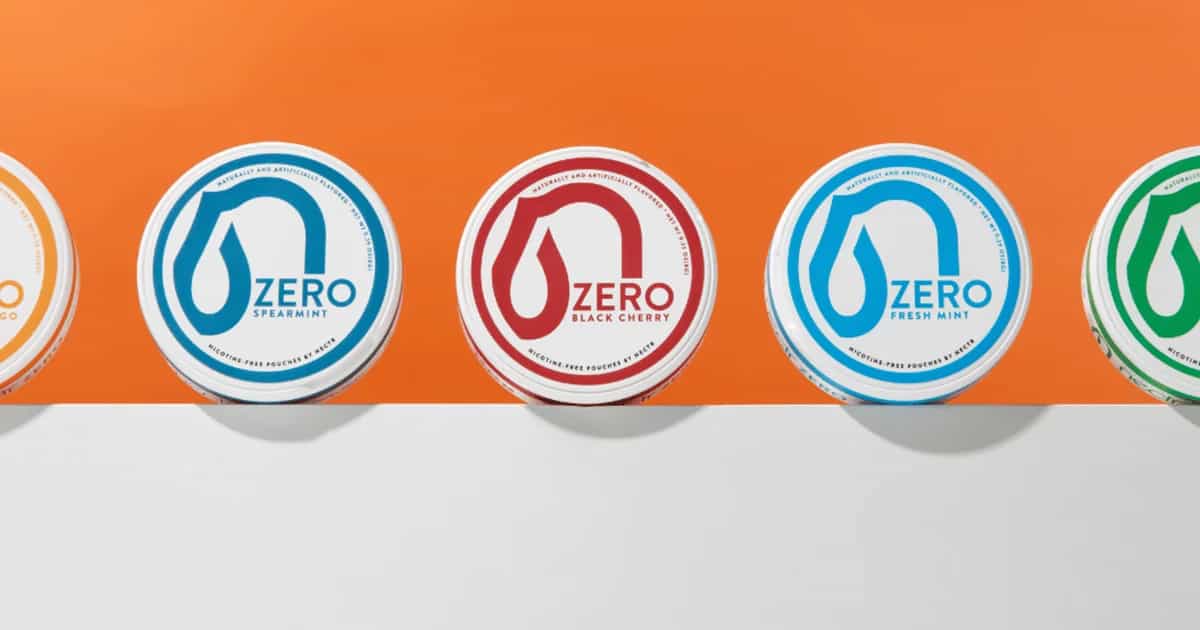
- Oral substitution — using a non-nicotine pouch like Nectr Zero — helps manage the hand-to-mouth habit and oral fixation.
Day-by-Day Nicotine Withdrawal Timeline
| Timeframe | Physical Symptoms | Psychological Symptoms | What Helps |
|---|---|---|---|
| Hours 1-24 | Tingling in hands/feet, mild headache | Anxiety, restlessness, strong cravings | Stay hydrated, physical activity, oral substitute |
| Days 1-3 | Headaches, nausea, stomach cramps, increased appetite | Irritability, frustration, difficulty concentrating, intense cravings | Deep breathing, cold water, nicotine-free pouches, walks |
| Days 4-7 | Fatigue, coughing (smokers), constipation | Mood swings, brain fog, cravings less intense but still frequent | Regular sleep schedule, exercise, healthy snacks |
| Days 8-14 | Improving energy, appetite normalizing | Occasional cravings (triggered by habits/situations), improving mood | Identify triggers, build new routines, reward milestones |
| Weeks 3-4 | Physical symptoms mostly resolved | Cravings become rare, mood stabilizes, concentration returns | Stay vigilant around triggers, maintain oral substitution if helpful |
| Months 2-3 | None for most people | Occasional fleeting cravings, often triggered by stress or social cues | Long-term habit replacement, stress management |
What Happens in Your Body When You Quit Nicotine
When you stop using nicotine, your brain's reward system — which has adapted to regular nicotine stimulation — has to recalibrate. Nicotine triggers the release of dopamine, the neurotransmitter associated with pleasure and motivation. When you remove nicotine, dopamine levels temporarily drop, which is what causes irritability, low mood, and cravings during the first few days.
According to the American Cancer Society, nicotine is cleared from the bloodstream within 1-3 days. Its primary metabolite, cotinine, takes 1-10 days to clear depending on usage patterns. But the neurological adaptation — the upregulation of nicotinic receptors in the brain — takes 2-4 weeks to normalize. This is why psychological symptoms last longer than physical ones.
The Hardest Days: Days 2-3
Research published in the journal Psychopharmacology confirms that withdrawal symptoms peak around 48-72 hours after the last nicotine exposure. During this window, you may experience:
- Intense cravings that last 15-20 minutes each. They feel overwhelming but always pass.
- Irritability and frustration out of proportion to the situation. This is neurochemical, not personal.
- Difficulty concentrating as your brain adjusts to functioning without nicotine-driven dopamine spikes.
- Increased appetite because nicotine suppresses hunger signals. Expect to eat more for a few days.
- Insomnia or disrupted sleep as your body's cortisol patterns shift.
The critical fact: every craving you resist without using nicotine weakens the neural pathway driving the habit. Days 2-3 are the peak — once you are past them, every day gets measurably easier.
How Long Do Cravings Last?
Individual nicotine cravings typically last 15-20 minutes before subsiding. The frequency of cravings follows a clear pattern:
- Days 1-3: Multiple cravings per hour
- Days 4-7: Several cravings per day
- Weeks 2-4: A few cravings per day, often triggered by specific situations
- Months 2+: Occasional cravings, usually linked to stress, social drinking, or environmental cues
Having a substitute ready during cravings makes a measurable difference. Nectr Zero Pouches provide the oral fixation and ritual of using a pouch without any nicotine, caffeine, or stimulants — just flavor. Many people quitting nicotine find that replacing the physical habit is as important as managing the chemical withdrawal.
How to Make Withdrawal Easier: 7 Evidence-Based Strategies
- Use oral substitution. Replace nicotine pouches with a nicotine-free alternative like Nectr Zero Pouches. This satisfies the hand-to-mouth habit and oral fixation without feeding the addiction.
- Exercise for 20+ minutes daily. Physical activity releases endorphins that partially offset the dopamine drop from quitting nicotine. Even a brisk walk helps.
- Drink cold water when cravings hit. The sensation disrupts the craving pattern and keeps you hydrated.
- Practice the 4-7-8 breathing technique. Inhale for 4 seconds, hold for 7 seconds, exhale for 8 seconds. Repeat 3 times. This activates your parasympathetic nervous system and reduces anxiety.
- Remove triggers. Throw away any remaining nicotine products. Change your routine around moments you typically used nicotine (morning coffee, driving, breaks).
- Tell someone. Accountability increases success rates. Let a friend, family member, or online community know your quit date.
- Track your progress. Each day nicotine-free is a win. Many people find that logging symptoms helps them see the improvement pattern and stay motivated past the peak.
When Does Nicotine Withdrawal End?
For most people, the acute phase of nicotine withdrawal — the intense physical and psychological symptoms — resolves within 2-4 weeks. After one month, the majority of former nicotine users report feeling "normal" most of the time, with only occasional, manageable cravings.
According to the National Institutes of Health, 85-90% of withdrawal symptoms resolve within the first 30 days. The remaining 10-15% — mostly situational cravings — continue to fade over 2-3 months. By the 90-day mark, the neurological changes from nicotine use have largely reversed, and nicotinic receptor density in the brain has returned to pre-use levels.
Frequently Asked Questions
How long does nicotine withdrawal last?
Nicotine withdrawal lasts 2-4 weeks for most people. Physical symptoms peak at days 2-3 and largely resolve within 10-14 days. Psychological cravings continue but weaken significantly after the first month. Most people feel fully recovered within 90 days.
What is the hardest day of nicotine withdrawal?
Days 2 and 3 are typically the hardest. This is when withdrawal symptoms peak because nicotine has fully cleared the bloodstream but the brain has not yet adjusted to functioning without it. If you can get through day 3, the intensity drops noticeably.
Can nicotine withdrawal kill you?
No. Nicotine withdrawal is uncomfortable but not medically dangerous. Unlike withdrawal from alcohol or benzodiazepines, nicotine withdrawal does not cause seizures or life-threatening complications. The symptoms — irritability, headaches, insomnia, and cravings — are temporary and resolve on their own.
Does exercise help with nicotine withdrawal?
Yes. Multiple studies show that even moderate exercise (20 minutes of brisk walking) reduces nicotine cravings and withdrawal symptoms. Exercise stimulates endorphin release, which helps compensate for the temporary dopamine deficit caused by quitting nicotine.