
Nicotine Withdrawal Symptoms: What to Expect
Nicotine withdrawal symptoms include irritability, anxiety, intense cravings, difficulty concentrating, insomnia, increased appetite, and depressed mood. These symptoms are caused by your brain's adjustment to functioning without the nicotine it has become dependent on. According to the National Institute on Drug Abuse, physical withdrawal symptoms typically peak at 48-72 hours after your last nicotine use and gradually subside over 2-4 weeks, though psychological cravings may persist for several months.
This article is for informational purposes only and is not medical advice. Consult your healthcare provider for personalized guidance.
Key Takeaways
Zero Pouches
View All →


- Withdrawal symptoms begin within 4-24 hours of your last nicotine exposure.
- The peak of physical symptoms occurs at 48-72 hours — this is the hardest window.
- Most physical symptoms resolve within 2-4 weeks as brain chemistry normalizes.
- Psychological cravings can persist for 1-3 months but decrease in frequency and intensity.
- Severity depends on daily nicotine intake, duration of use, and individual biology.
Complete List of Nicotine Withdrawal Symptoms
The Diagnostic and Statistical Manual of Mental Disorders (DSM-5) recognizes nicotine withdrawal as a clinical condition. Symptoms are divided into physical and psychological categories:
| Symptom | Type | Onset | Peak | Duration | Severity (1-5) |
|---|---|---|---|---|---|
| Intense cravings | Psychological | 4-6 hours | Day 2-3 | 2-8 weeks (decreasing) | 5 |
| Irritability / anger | Psychological | 12-24 hours | Day 2-3 | 2-4 weeks | 4 |
| Anxiety | Psychological | 12-24 hours | Day 2-4 | 2-4 weeks | 4 |
| Difficulty concentrating | Cognitive | 12-24 hours | Day 3-5 | 2-4 weeks | 4 |
| Depressed mood | Psychological | 24-48 hours | Day 3-7 | 2-4 weeks | 3 |
| Insomnia / disrupted sleep | Physical | 24-48 hours | Day 3-5 | 1-3 weeks | 3 |
| Increased appetite | Physical | 24-48 hours | Day 7-14 | 4-12 weeks | 3 |
| Restlessness | Physical | 12-24 hours | Day 2-3 | 1-2 weeks | 3 |
| Headaches | Physical | 12-36 hours | Day 1-3 | 1-2 weeks | 2 |
| Constipation | Physical | 24-72 hours | Day 3-7 | 1-3 weeks | 2 |
| Tingling in hands/feet | Physical | 24-48 hours | Day 2-4 | 1-2 weeks | 1 |
Why Does Nicotine Withdrawal Happen?
When you use nicotine regularly, it binds to nicotinic acetylcholine receptors in your brain, triggering dopamine release in the reward pathway. Over time, your brain responds by upregulating — literally building more receptors. According to research published in Pharmacological Reviews, chronic nicotine users may have 50-100% more nicotinic receptors than non-users.
When you stop nicotine, all those extra receptors are suddenly empty. Your brain's natural acetylcholine production cannot fill them all. The result is a neurotransmitter deficit that manifests as the symptoms listed above. The good news: your brain will downregulate those excess receptors over 2-12 weeks, and symptoms progressively decrease as it does.
The Nicotine Withdrawal Timeline: Day by Day
- Hours 4-12: First cravings appear. Mild restlessness and anticipatory anxiety begin. This is your brain noticing the nicotine level is dropping.
- Hours 12-24: Cravings intensify. Irritability emerges. Difficulty concentrating becomes noticeable. Many people describe a "foggy" feeling.
- Day 2-3 (peak): The hardest period. Cravings are most intense. Irritability, anxiety, and restlessness peak. Headaches are common. Sleep may be disrupted.
- Day 4-7: Physical symptoms begin improving. Cravings come in waves rather than constant pressure. Appetite increases as nicotine's appetite-suppressing effect wears off.
- Week 2-3: Most physical symptoms resolve. Concentration improves. Cravings become less frequent — perhaps 3-5 per day instead of 15-20.
- Week 4+: Psychological cravings occur mainly in trigger situations (after meals, during stress, social settings). These gradually decrease over 1-3 months.
How to Manage Each Symptom
You do not have to white-knuckle through withdrawal. Targeted strategies can significantly reduce the severity of each symptom:
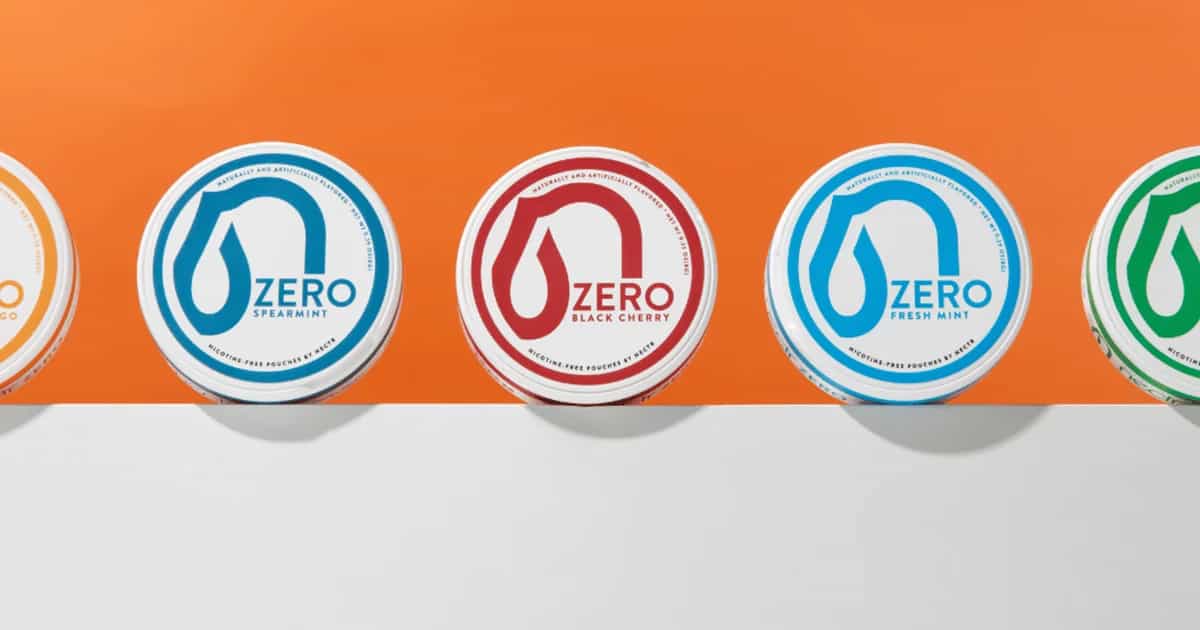
- Cravings: Use an oral substitute like Nectr Zero Pouches to satisfy the hand-to-lip and mouth-feel habit without any nicotine. Each craving wave lasts only 3-5 minutes — ride it out or distract yourself.
- Difficulty concentrating: Nectr Focus Pouches with 62.5mg Cognizin® Citicoline and 30mg caffeine support cognitive function during the brain fog period without any nicotine or addictive compounds.
- Irritability and anxiety: Exercise is the most effective non-pharmaceutical intervention. A 2014 meta-analysis in Psychopharmacology found that moderate exercise during cessation reduced negative affect by 20-30%.
- Insomnia: Avoid caffeine after 2 PM. Maintain a consistent sleep schedule. Magnesium supplementation before bed may support sleep quality.
- Increased appetite: Have low-calorie snacks available (carrots, celery, sugar-free gum). Nicotine-free pouches also help by keeping your mouth occupied without calories.
When Should You See a Doctor?
Most nicotine withdrawal is uncomfortable but manageable at home. However, the American Cancer Society recommends seeing a healthcare provider if you experience:
- Severe depression or suicidal thoughts
- Withdrawal symptoms that do not improve after 4 weeks
- Inability to function at work or in daily life
- Significant worsening of a pre-existing mental health condition
Your doctor may recommend FDA-approved cessation medications like varenicline (Chantix) or bupropion (Wellbutrin) to support your quit attempt. These medications reduce the severity of withdrawal and cravings.
The Good News: What Happens After Withdrawal Ends
Withdrawal is temporary, and the benefits that follow are substantial. According to the American Cancer Society and NIH data, here is what your body recovers after quitting nicotine:
- 48 hours: Heart rate and blood pressure begin returning to normal levels as nicotine's cardiovascular effects wear off.
- 2 weeks: Circulation improves. If you exercise, you may notice improved endurance and reduced breathlessness.
- 1 month: Brain receptor density begins normalizing. The frequency and intensity of cravings drop significantly.
- 3 months: Most nicotinic receptor downregulation is complete. Your brain's reward system is functioning more normally without relying on external nicotine.
- 1 year: The risk of cardiovascular events has decreased measurably. Gum tissue that was irritated by nicotine pouches has fully healed.
Every day of withdrawal you push through is an investment in these long-term gains. And with tools like Nectr Zero Pouches to manage the behavioral side, the journey is far more sustainable than going it alone.
Frequently Asked Questions
How long do nicotine withdrawal symptoms last?
Physical symptoms typically peak at 48-72 hours and resolve within 2-4 weeks. Psychological cravings can persist for 1-3 months but become less frequent and less intense over time. Most former users report that cravings become rare after 3 months of abstinence.
Does the severity of withdrawal depend on how much nicotine you used?
Yes. Higher daily nicotine intake and longer duration of use both correlate with more severe withdrawal symptoms. Someone using 20 mg of nicotine per day will generally experience worse withdrawal than someone using 6 mg per day. However, individual biology also plays a significant role — some people experience relatively mild withdrawal regardless of their usage level.
Can you avoid withdrawal by switching to nicotine-free pouches?
Switching to nicotine-free pouches will not eliminate withdrawal symptoms because your brain still needs to adjust to the absence of nicotine. However, pouches like Nectr Zero significantly ease the behavioral and oral components of withdrawal by maintaining the ritual you are accustomed to, which makes the chemical withdrawal much more manageable.
Disclaimer: This content is educational and does not constitute medical advice. If you experience severe withdrawal symptoms, please consult your healthcare provider or call the national Quitline at 1-800-QUIT-NOW.