Nicotine and Weight: Does Quitting Cause Weight Gain?
Yes, quitting nicotine typically causes weight gain — the average is 5-10 pounds (2.3-4.5 kg) over the first 3-6 months after cessation. According to research published in the New England Journal of Medicine and data from the CDC, this weight gain results from two converging factors: nicotine suppresses appetite and slightly elevates metabolic rate (by approximately 7-15%), and when you stop, both effects reverse. Your appetite increases and your body burns slightly fewer calories at rest.
This article is for informational purposes only and is not medical advice. Consult your healthcare provider for personalized guidance.
Key Takeaways
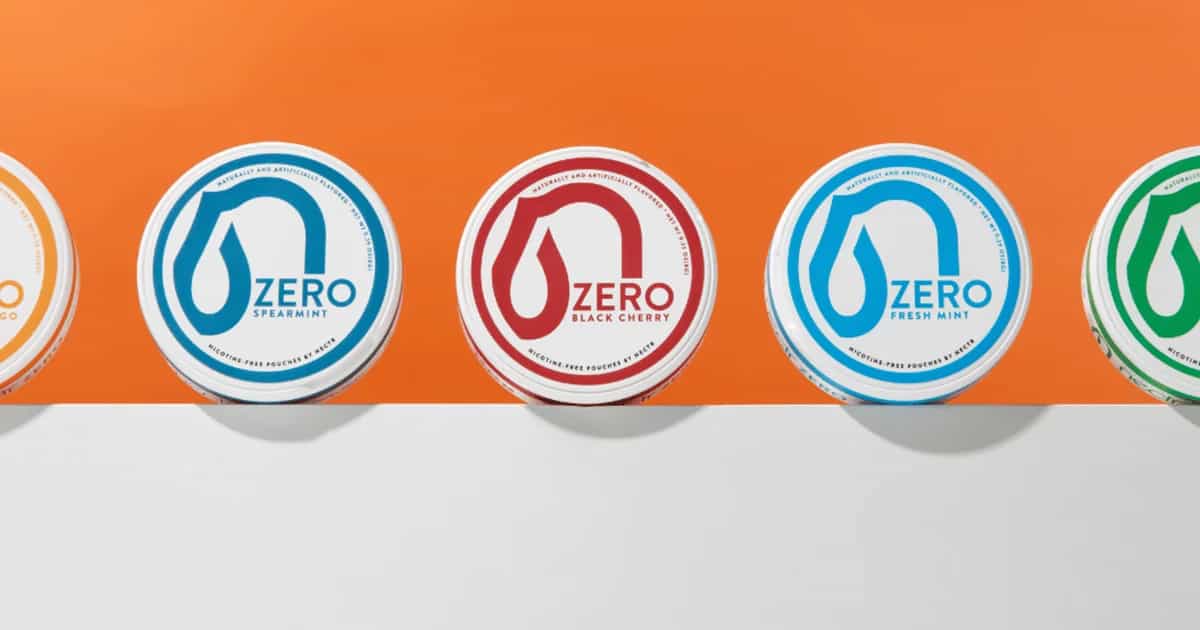
Zero Pouches
View All →


- Average weight gain after quitting nicotine is 5-10 pounds over 3-6 months.
- Nicotine suppresses appetite and increases metabolic rate by 7-15% — both effects reverse upon cessation.
- About 10% of people who quit gain 30+ pounds, while about 16% actually lose weight — individual variation is huge.
- Weight gain is the most commonly cited reason for not quitting or relapsing.
- Strategic exercise, mindful eating, and oral substitutes can significantly minimize gain.
Why Does Quitting Nicotine Cause Weight Gain?
Nicotine affects your body weight through three distinct mechanisms, all of which reverse when you quit:
1. Appetite Suppression Reversal
Nicotine activates pro-opiomelanocortin (POMC) neurons in the hypothalamus, which signal satiety — the feeling of being full. A 2011 study published in Science demonstrated this mechanism directly, showing that nicotine reduces food intake by acting on specific brain circuits, not just through behavioral distraction. When you quit, these circuits lose their artificial activation, and appetite increases — often substantially in the first 2-4 weeks.
2. Metabolic Rate Decrease
Nicotine increases your resting metabolic rate by approximately 7-15%, which translates to burning an extra 100-200 calories per day. This effect is mediated through sympathetic nervous system activation — nicotine triggers the release of catecholamines (adrenaline and noradrenaline) that rev up metabolic processes. When you quit, your metabolism settles back to its natural baseline, and you burn fewer calories at rest.
3. Behavioral Substitution
Many people who quit nicotine replace the hand-to-mouth habit with eating, particularly snacking on sugary or high-calorie foods. The oral fixation component is powerful — your brain is accustomed to having something in your mouth, and food is the most accessible substitute. This is where nicotine-free pouches play a strategic role: they satisfy the oral habit without adding calories.
How Much Weight Gain Should You Expect?
| Timeframe | Average Weight Gain | Range | Notes |
|---|---|---|---|
| First month | 2-4 lbs (1-2 kg) | 0-8 lbs | Most rapid gain period; appetite surge + metabolic adjustment |
| 3 months | 5-8 lbs (2.3-3.6 kg) | 0-15 lbs | Gain rate typically slows as appetite normalizes |
| 6 months | 8-11 lbs (3.6-5 kg) | Loss to 20+ lbs | Most gain has occurred; weight begins stabilizing |
| 12 months | 5-10 lbs (2.3-4.5 kg) net | Loss to 30+ lbs | Many people lose back some initial gain; long-term average settles at 5-10 lbs |
It is important to note that individual variation is enormous. A meta-analysis published in the BMJ found that about 16% of people who quit nicotine actually lose weight, while roughly 10% gain more than 30 pounds. The 5-10 pound figure is an average, not a destiny.
How to Minimize Weight Gain When Quitting Nicotine
Evidence-based strategies that can significantly reduce or prevent post-cessation weight gain:
- Use nicotine-free pouches for oral fixation. Nectr Zero Pouches give you something to tuck in your lip whenever the urge to snack hits — zero calories, zero sugar, zero nicotine. The behavioral substitution prevents the eat-instead-of-pouch pattern that drives much of the gain.
- Start or increase exercise. A 2012 Cochrane review found that exercise during cessation prevented approximately 50% of the expected weight gain. Aim for 150-300 minutes of moderate activity per week (that is roughly 30-60 minutes, 5 days per week). The metabolic boost from exercise partially compensates for the metabolic decrease from quitting nicotine.
- Plan your meals. The appetite increase is real, so planning meals in advance prevents impulse eating. Focus on protein and fiber, which promote satiety. Avoid keeping high-calorie snack foods accessible during the first month.
- Drink water before meals. A study published in Obesity found that drinking 500ml of water 30 minutes before meals reduced caloric intake by 13%. Hydration also supports your body's metabolic processes during the nicotine clearance period.
- Get adequate sleep. Sleep disruption is a common nicotine withdrawal symptom, and poor sleep increases ghrelin (hunger hormone) and decreases leptin (satiety hormone). Prioritize 7-9 hours of quality sleep.
- Consider healthy snack alternatives. Carrots, celery, sugar-free gum, and low-calorie crunchy foods provide oral satisfaction without significant calories. Having these pre-prepared reduces the likelihood of reaching for chips or candy.
Should Fear of Weight Gain Stop You From Quitting?
Absolutely not. The health benefits of quitting nicotine far outweigh the modest weight gain. According to the American Cancer Society, you would need to gain approximately 100 pounds to offset the cardiovascular risk reduction achieved by quitting smoking. Even for nicotine pouch users, the elimination of addiction, cardiovascular stress, and gum damage far outweighs 5-10 pounds of weight gain.
The weight gain is also not inevitable — with the right strategies, many people quit nicotine with minimal or no weight change. And the average 5-10 pounds often naturally recedes over 6-12 months as your metabolism and appetite recalibrate.
How Nectr Products Help During the Transition
Nectr pouches are uniquely positioned to help manage the weight gain risk during nicotine cessation:
- Nectr Zero Pouches: Zero nicotine, zero calories, zero sugar. Perfect oral substitute that prevents the snack-instead-of-pouch pattern.
- Nectr Energy Pouches: 50mg caffeine provides a mild metabolic boost (caffeine increases metabolic rate by 3-11%) and suppresses appetite modestly, partially compensating for the metabolic effects of quitting nicotine.
- Nectr Focus Pouches: 30mg caffeine + 62.5mg Cognizin® Citicoline for cognitive support during withdrawal brain fog, plus the oral satisfaction to prevent snacking.
Build a custom mix with the Bundle Builder — 10+ items get 10% off, 15+ items get 15% off.
Frequently Asked Questions
How long does weight gain last after quitting nicotine?
Most weight gain occurs in the first 3-6 months after cessation. After that, weight typically stabilizes and may partially reverse as appetite and metabolism normalize. A longitudinal study in Obesity found that by 12 months, many former users had naturally lost some of the initially gained weight without active dieting.
Does nicotine replacement therapy prevent weight gain?
Nicotine replacement (patches, gum) can delay weight gain by maintaining nicotine's appetite-suppressing and metabolic effects. However, the weight gain typically occurs once the NRT is discontinued — it shifts the timeline rather than preventing it. A better long-term strategy is combining exercise and behavioral management with nicotine-free oral substitutes like Nectr Zero Pouches.
Does caffeine help offset the metabolic slowdown?
Partially, yes. Caffeine increases resting metabolic rate by 3-11%, according to a meta-analysis in the American Journal of Clinical Nutrition. While this does not fully replace the 7-15% metabolic boost from nicotine, it provides a meaningful supplement. Nectr Energy Pouches deliver 50mg caffeine — enough for a moderate metabolic bump without excessive stimulation.
Disclaimer: This content is educational and does not constitute medical or nutritional advice. Weight management during cessation should be discussed with your healthcare provider, especially if you have existing metabolic conditions.