
Is Zyn Bad for Your Heart? Nicotine and Cardiovascular Risk
ZYN and other nicotine pouches are not risk-free for cardiovascular health. Nicotine — the active ingredient in ZYN — temporarily raises heart rate by 10–20 bpm and blood pressure by 5–10 mmHg with each use. For people with normal cardiovascular health, these short-lived effects are generally manageable, but for those with existing heart conditions or uncontrolled hypertension, any nicotine product carries meaningful risk. That said, ZYN is significantly less harmful to the heart than cigarettes, which deliver nicotine alongside thousands of toxic combustion byproducts that cause most smoking-related heart disease.
❤️ Quick Verdict
Nicotine in ZYN raises heart rate and blood pressure temporarily — a real but limited risk for healthy adults. The catastrophic cardiovascular damage linked to tobacco comes from combustion toxins absent from pouches, not nicotine alone. People with heart disease, arrhythmias, or hypertension should avoid all nicotine products, including ZYN.
What Are the Key Facts About ZYN and Heart Health?
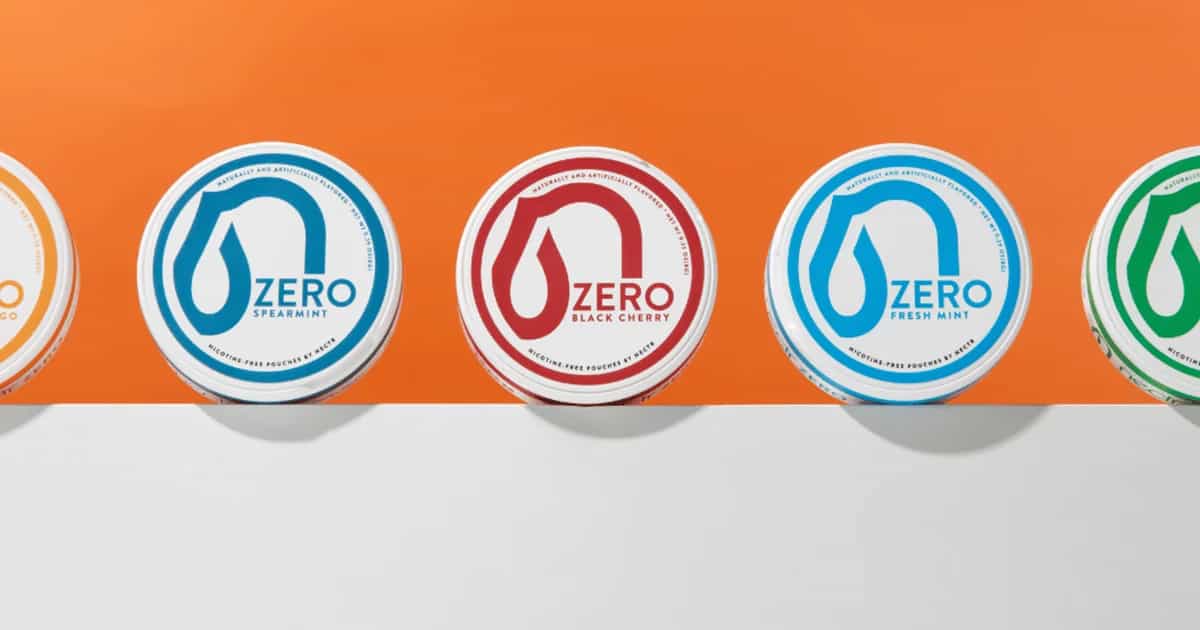
Zero Pouches
View All →


- Nicotine temporarily increases heart rate by 10–20 bpm and raises blood pressure by 5–10 mmHg per use (American Heart Association).
- These acute effects are comparable to drinking a cup of coffee and resolve within 1–2 hours.
- The major cardiovascular damage from smoking comes from carbon monoxide and combustion byproducts — not nicotine alone (Centers for Disease Control and Prevention).
- No published studies have directly linked nicotine pouches to heart attacks, strokes, or atherosclerotic disease progression.
- People with existing heart conditions, hypertension, or cardiac arrhythmias should consult their doctor before using any nicotine product (American College of Cardiology).
- For zero cardiovascular impact from nicotine, nicotine-free focus pouches deliver the pouch experience without any nicotine.
How Does Nicotine Affect Your Heart?
When you use a nicotine pouch, nicotine enters your bloodstream and triggers the release of adrenaline (epinephrine) from your adrenal glands. Adrenaline causes your heart to beat faster and blood vessels to constrict, temporarily raising blood pressure. This is the same physiological pathway activated by exercise, acute stress, or caffeine — and like those triggers, the effect is transient.
Specifically, research published in the American Journal of Cardiology (2021) shows that a single dose of nicotine typically:
- Increases heart rate by 10–20 beats per minute
- Raises systolic blood pressure by 5–10 mmHg
- Increases cardiac output temporarily
- Causes mild peripheral vasoconstriction (narrowing of small blood vessels)
These effects last approximately 30–60 minutes and resolve as nicotine is metabolized. For context, the U.S. Food and Drug Administration (FDA) has long recognized that nicotine replacement therapies produce similar acute cardiovascular effects and have an established safety profile for most healthy adults.
How Do Nicotine Pouches Compare to Smoking for Cardiovascular Risk?
| Risk Factor | Cigarette Smoking | Nicotine Pouches (ZYN) |
|---|---|---|
| Carbon monoxide exposure | Yes — reduces blood oxygen | None |
| Oxidative stress | Severe — accelerates atherosclerosis | Minimal |
| Heart rate increase | Yes (10–20 bpm) | Yes (10–20 bpm) |
| Blood pressure increase | Yes (acute + chronic elevation) | Yes (acute only, temporary) |
| Atherosclerosis risk | Significantly increased | Not established in research |
| Heart attack/stroke risk | 2–4× increased (CDC) | Not established (likely much lower) |
| Addiction potential | Very high | High (nicotine is addictive) |
The critical difference: smoking delivers nicotine alongside thousands of toxic combustion byproducts that directly damage blood vessel walls, promote plaque buildup, and reduce the blood's ability to carry oxygen (Centers for Disease Control and Prevention, 2023). Nicotine pouches deliver nicotine in isolation, without these additional cardiovascular toxins.
What Do Cardiologists Say About Nicotine Pouches?
The American Heart Association (AHA) has stated that while nicotine is not risk-free, the cardiovascular harm from tobacco products is overwhelmingly driven by the combustion process and non-nicotine toxicants rather than nicotine itself. The AHA has noted that nicotine replacement therapies — which deliver nicotine without tobacco smoke — have a well-established safety profile even in patients with established cardiovascular disease.
A 2023 review in the European Heart Journal concluded that while nicotine acutely affects heart rate and blood pressure, "pure nicotine delivery systems appear to carry markedly lower cardiovascular risk compared to combustible tobacco," and that the evidence does not support a significant independent role for nicotine in atherosclerotic cardiovascular disease development in otherwise healthy individuals.
The Journal of the American College of Cardiology (2022) similarly noted that harm reduction strategies leveraging non-combustible nicotine products are a valid clinical tool, while emphasizing that complete cessation of nicotine remains the safest long-term goal for cardiovascular health.
Does ZYN Raise Blood Pressure?
Yes — ZYN raises blood pressure temporarily. Nicotine causes a transient increase in systolic blood pressure of approximately 5–10 mmHg per use, which typically resolves within 1–2 hours (American Heart Association). This is a real effect that matters most for people with existing hypertension or those at elevated cardiovascular risk.
For individuals with well-controlled blood pressure and no underlying heart conditions, these short-term spikes are generally considered low-risk — similar in magnitude to the blood pressure response from a standard cup of coffee. However, repeated spikes over many years are less well-studied, particularly for daily heavy users of high-strength pouches.
Can ZYN Cause Heart Palpitations?
Some people experience heart palpitations — the sensation of a rapid, fluttering, or pounding heartbeat — after using nicotine pouches. This is a direct result of nicotine's stimulant effect on the cardiovascular system, the same mechanism that raises heart rate and blood pressure.
Palpitations from nicotine are usually benign in healthy individuals and resolve quickly. However, if you experience frequent, sustained, or severe palpitations, chest pain, or shortness of breath after using ZYN, stop use and consult a healthcare provider. People with known arrhythmias such as atrial fibrillation should avoid all nicotine products (American Heart Association).
Who Should Avoid Nicotine Pouches Due to Heart Risk?
While nicotine pouches are lower risk than smoking for cardiovascular health, certain groups should exercise caution or avoid them entirely:
- People with existing heart disease, arrhythmias, or a recent heart attack or stroke — the temporary blood pressure and heart rate increases may be contraindicated (American College of Cardiology, 2022).
- People with uncontrolled hypertension — nicotine can transiently worsen elevated blood pressure.
- Pregnant or nursing women — nicotine affects fetal cardiovascular development and passes through breast milk (FDA).
- People under 21 — nicotine can affect brain and cardiovascular system development.
- Non-nicotine-users considering starting — beginning any nicotine product creates dependency without cardiovascular benefit.
If you want the pouch experience without any nicotine-related cardiovascular effects, Nectr Focus Pouches deliver nootropics and caffeine with zero nicotine — no blood pressure spikes, no nicotine dependency risk.
Frequently Asked Questions
Is ZYN bad for your heart?
ZYN is not risk-free for cardiovascular health. Nicotine in ZYN temporarily raises heart rate and blood pressure with each use. For healthy adults, these short-lived effects are generally manageable. However, for people with existing heart conditions, hypertension, or arrhythmias, any nicotine product — including ZYN — carries meaningful cardiovascular risk and should be avoided or used only under medical supervision.
Does ZYN raise blood pressure?
Yes. Nicotine causes a temporary increase in blood pressure of approximately 5–10 mmHg per use, which resolves within 1–2 hours. This is similar in magnitude to the effect of drinking coffee (American Heart Association). People with existing hypertension should consult their doctor, as repeated blood pressure spikes may be a concern for those already at elevated cardiovascular risk.
Can ZYN cause heart palpitations?
Yes, some users experience heart palpitations after using ZYN. Nicotine stimulates adrenaline release, which can cause a rapid or fluttering heartbeat. In healthy individuals, these palpitations are usually brief and benign. If palpitations are frequent, severe, or accompanied by chest discomfort, stop use and seek medical advice. People with known arrhythmias should avoid all nicotine products.
Is ZYN safe if you have heart disease?
No nicotine product, including ZYN, is recommended for people with existing heart disease without consulting a physician first. The American College of Cardiology advises that nicotine's acute cardiovascular effects — raised heart rate and blood pressure — may be contraindicated for individuals with coronary artery disease, heart failure, arrhythmias, or a recent cardiac event. Your doctor can help weigh the risks relative to alternatives like nicotine replacement therapy under medical supervision or complete cessation.
What happens to your heart when you use nicotine pouches?
When you use a nicotine pouch, nicotine is absorbed through the gum tissue and enters your bloodstream within minutes. It then triggers adrenaline (epinephrine) release, causing your heart rate to increase by 10–20 bpm and blood pressure to rise by 5–10 mmHg. These effects peak within 15–30 minutes and resolve within 1–2 hours. Unlike smoking, nicotine pouches do not expose your cardiovascular system to carbon monoxide, tar, or the combustion toxins that cause the majority of smoking-related heart disease.
Is ZYN safer for your heart than smoking?
Based on current evidence, yes. Smoking increases the risk of heart disease by 2–4 times due to the combined effects of nicotine, carbon monoxide, and thousands of other toxic chemicals produced by combustion (CDC). Nicotine pouches deliver only the nicotine component, removing the combustion-related cardiovascular toxins that cause the vast majority of smoking-related heart damage. However, "safer than smoking" does not mean "safe" — nicotine still carries real cardiovascular effects and addiction risk.