
How Long Does Nicotine Stay in Your Blood?
Nicotine stays in your blood for approximately 1-3 days after your last exposure, with a plasma half-life of about 2 hours. However, blood tests for nicotine exposure almost always measure cotinine — nicotine's primary metabolite — which remains detectable in blood for 1-10 days depending on your usage frequency, metabolism, and the test's sensitivity cutoff. According to data from the National Institutes of Health, the standard blood cotinine cutoff for distinguishing users from non-users is 10 ng/mL.
This article is for informational purposes only and is not medical advice. Consult your healthcare provider for personalized guidance.
Key Takeaways
Zero Pouches
View All →


- Nicotine's blood half-life is approximately 2 hours — effectively cleared within 10-20 hours.
- Cotinine's blood half-life is 16-20 hours — detectable for 1-10 days depending on usage.
- Blood tests are more sensitive than urine tests, with typical cutoffs of 10 ng/mL vs. 200 ng/mL.
- Factors including genetics (CYP2A6), age, sex, and frequency of use significantly affect clearance speed.
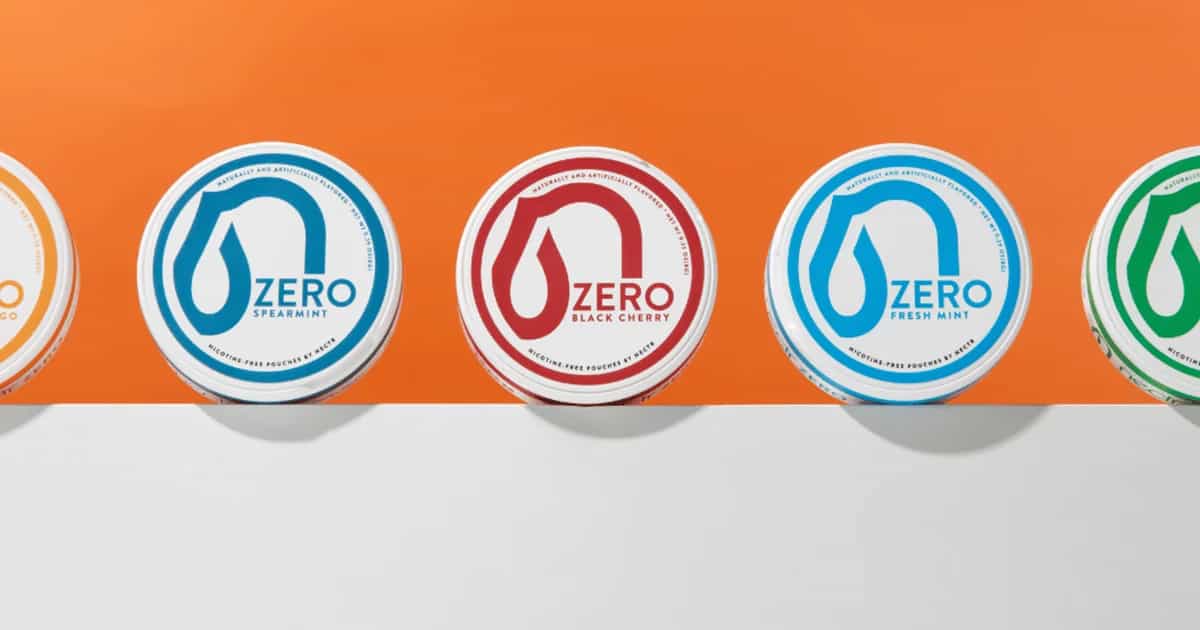
- Nicotine-free products like Nectr Zero Pouches produce zero nicotine or cotinine in blood.
Nicotine vs. Cotinine in Blood: What Labs Actually Test
Your body processes nicotine rapidly. After your last cigarette, pouch, or vape session, nicotine peaks in the blood almost immediately (within 5-30 minutes depending on delivery method) and then drops quickly due to its short 2-hour half-life. After just 5 half-lives (~10 hours), nicotine is essentially undetectable.
This is why labs test for cotinine instead. Your liver converts 70-80% of absorbed nicotine into cotinine via the CYP2A6 enzyme. Cotinine has a half-life of 16-20 hours, creating a much wider detection window. A single blood draw can reveal your nicotine exposure history over the past 1-10 days, depending on your usage pattern.
| Analyte | Blood Half-Life | Detection Window (Occasional User) | Detection Window (Heavy User) | Standard Cutoff |
|---|---|---|---|---|
| Nicotine | ~2 hours | Several hours | 1-3 days | 2-5 ng/mL (when tested directly) |
| Cotinine | 16-20 hours | 1-3 days | 7-10 days | 10 ng/mL (quantitative serum) |
What Factors Affect How Long Nicotine Stays in Your Blood?
Nicotine and cotinine clearance from blood varies significantly between individuals. The most important factors are:
- Frequency and amount of use: This is the single biggest factor. A one-time user may clear cotinine from blood in 1-3 days. A pack-a-day smoker or heavy pouch user (15+ pouches daily) may take 7-10 days because cotinine accumulates to higher baseline levels with chronic use.
- CYP2A6 enzyme genetics: The CYP2A6 liver enzyme handles the majority of nicotine and cotinine metabolism. Approximately 10-15% of Caucasians and up to 50% of Asian populations carry slow-metabolizer gene variants that extend clearance times by 30-50%, according to NIH pharmacogenomics data.
- Age: Liver enzyme efficiency declines with age. Adults over 65 metabolize nicotine and cotinine roughly 23% slower than younger adults, according to published pharmacokinetic studies.
- Sex and hormones: Estrogen upregulates CYP2A6. Women metabolize nicotine approximately 13% faster than men on average. Pregnancy accelerates metabolism even further (60-140% faster).
- Liver health: Since the liver performs nearly all nicotine-to-cotinine conversion and subsequent cotinine clearance, liver disease or impaired function extends detection windows significantly.
- Kidney function: About 10-15% of nicotine is excreted unchanged by the kidneys. Reduced kidney function can extend blood levels marginally.
When Are Blood Nicotine Tests Used?
Blood (serum) cotinine tests are used in several specific contexts:
- Life insurance underwriting: Insurers use blood cotinine levels to classify applicants as smokers or non-smokers, which directly affects premium rates. The difference can be 2-4x higher premiums for smokers.
- Clinical research: Blood cotinine is the gold-standard biomarker in cessation studies and nicotine exposure research.
- Medical evaluations: Before certain surgeries (particularly cosmetic and orthopedic procedures), surgeons may require confirmation of non-smoker status because nicotine impairs wound healing.
- Workplace wellness programs: Some employers with tobacco-free incentive programs use blood testing for verification.
How to Clear Nicotine From Your Blood Faster
While you cannot dramatically accelerate your liver's enzyme kinetics, you can support the natural clearance process:
- Stop all nicotine intake immediately. Every slip resets your clock.
- Stay hydrated: Water supports metabolic processes and kidney function. Aim for 2-3 liters daily.
- Exercise regularly: Cardiovascular exercise increases metabolic rate and may marginally speed clearance by 10-15%.
- Eat well: Cruciferous vegetables (broccoli, kale) and citrus fruits contain compounds that support liver detoxification pathways.
- Manage cravings without nicotine: Replace the oral habit with Nectr Zero Pouches — zero nicotine, zero cotinine production, same satisfying pouch experience. For cognitive support during withdrawal, Nectr Focus Pouches deliver 62.5mg Cognizin® Citicoline and 30mg caffeine without any nicotine.
Blood Test Accuracy and Limitations
Blood cotinine tests are highly accurate. Quantitative LC-MS/MS (liquid chromatography-tandem mass spectrometry) assays can detect cotinine down to 1 ng/mL or lower. However, there are some considerations:
- Blood tests reflect a snapshot of the moment the sample was drawn. Cotinine levels fluctuate throughout the day.
- Very heavy secondhand smoke exposure in enclosed environments can produce blood cotinine levels of 1-10 ng/mL, potentially crossing sensitive test thresholds.
- Certain foods (tomatoes, potatoes, eggplant, and other nightshade vegetables) contain trace amounts of nicotine, but levels are far too low to produce detectable blood cotinine.
Frequently Asked Questions
Will one cigarette show up on a blood test?
Potentially, yes. A single cigarette can produce cotinine levels of 10-30 ng/mL in blood, which exceeds the typical 10 ng/mL cutoff for quantitative blood tests. It depends on the test sensitivity and how recently you smoked. At the standard cutoff, a single cigarette is usually detectable for 1-3 days in blood.
How long after quitting Zyn will my blood test be clean?
It depends on how heavily you used Zyn. If you used 10-15 pouches per day of 6mg strength, expect blood cotinine to remain above the 10 ng/mL cutoff for approximately 5-10 days after complete cessation. Lighter users (3-5 pouches/day) may clear in 3-5 days. Your individual metabolism and CYP2A6 genotype also play significant roles.
Do caffeine pouches or energy pouches affect nicotine blood tests?
No. Products like Nectr Energy Pouches (50mg caffeine) and Nectr Focus Pouches (30mg caffeine + 62.5mg Cognizin® Citicoline) contain zero nicotine. They cannot produce nicotine or cotinine in your blood and will not affect any nicotine-related blood test.
Disclaimer: Detection times are estimates based on published pharmacokinetic data. Individual results vary based on genetics, health status, and usage patterns. This is not medical or legal advice.