
How Long Does Cotinine Stay in Your System?
Cotinine stays in your system for different durations depending on the test type: 1-10 days in blood, 2-4 days in urine for occasional users (up to 21 days for heavy users), up to 4 days in saliva, and up to 90 days in hair follicles. Cotinine is the primary metabolite your liver produces when it breaks down nicotine, and it has a half-life of 16-20 hours — roughly 10 times longer than nicotine itself, which is why labs test for cotinine rather than nicotine.
This article is for informational purposes only and is not medical advice. Consult your healthcare provider for personalized guidance.
Key Takeaways
Zero Pouches
View All →


- Cotinine has a half-life of 16-20 hours, making it detectable much longer than nicotine (half-life ~2 hours).
- Blood tests detect cotinine for 1-10 days with a typical cutoff of 10 ng/mL.
- Standard urine tests use a 200 ng/mL cutoff; some insurance screens use 100 ng/mL or lower.
- Hair follicle tests detect cotinine for up to 90 days and cannot be beaten by hydration or exercise.
- Factors like genetics (CYP2A6 enzyme activity), age, sex, and usage frequency all affect clearance time.
Cotinine Detection Times by Test Type
The following table summarizes how long cotinine remains detectable across the four main testing methods. These estimates are based on published pharmacokinetic data from the NIH and represent a moderate daily user with normal liver and kidney function.
| Test Type | Analyte | Occasional User | Moderate Daily User | Heavy Daily User | Typical Cutoff |
|---|---|---|---|---|---|
| Blood (serum) | Cotinine | 1-3 days | 4-7 days | 7-10 days | 10 ng/mL |
| Urine | Cotinine | 2-4 days | 5-10 days | 10-21 days | 200 ng/mL (standard) |
| Saliva | Cotinine | 1-2 days | 2-4 days | 3-4 days | 10-25 ng/mL |
| Hair follicle | Nicotine + cotinine | Up to 90 days | Up to 90 days | Up to 90 days | ~1 ng/mg hair |
Why Does Cotinine Stay Longer Than Nicotine?
Nicotine itself is metabolized rapidly, with a half-life of only 1-2 hours. After about 10 hours, nicotine is essentially undetectable in blood. But your liver converts approximately 70-80% of absorbed nicotine into cotinine via the CYP2A6 enzyme, and cotinine has a much longer half-life of 16-20 hours.
This means cotinine accumulates with repeated use. A single cigarette or nicotine pouch produces a small cotinine spike that clears in a few days. But daily use creates a stacking effect where cotinine levels build up to a steady-state baseline of 200-500+ ng/mL in heavy users. Clearing from that elevated baseline naturally takes much longer.
According to research published in the Journal of Analytical Toxicology, the ratio of cotinine to nicotine in blood can reach 10:1 or higher in chronic users, which is why cotinine is the gold-standard biomarker for tobacco and nicotine exposure assessment.
What Factors Affect How Fast Cotinine Clears?
Cotinine clearance varies significantly between individuals. The primary factors include:
- CYP2A6 genetics: This liver enzyme handles the bulk of cotinine metabolism. Approximately 10-15% of Caucasians and up to 50% of Asian populations carry slow-metabolizer gene variants that can extend clearance by 30-50%.
- Sex and hormones: Estrogen upregulates CYP2A6 activity. Women metabolize cotinine approximately 13% faster than men. Pregnancy can accelerate clearance by 60-140%, according to NIH research.
- Age: Liver enzyme efficiency declines with age. Adults over 65 clear cotinine roughly 23% slower than younger adults.
- Kidney function: About 10-15% of cotinine is excreted unchanged through urine. Impaired renal function extends the detection window.
- Hydration: Higher fluid intake dilutes urine cotinine concentration and increases renal throughput, potentially shortening urine detection times (though not blood or hair times).
- Menthol use: Menthol inhibits CYP2A6, slowing cotinine metabolism by an estimated 14-25%.
How to Support Cotinine Clearance
While time is the primary factor in clearing cotinine, you can support your body's natural elimination processes:
- Stop all nicotine intake immediately. This sounds obvious, but even one slip resets your cotinine clock.
- Stay well hydrated. Water supports kidney filtration and can help dilute urinary cotinine concentrations.
- Exercise regularly. Physical activity boosts metabolic rate and may marginally accelerate clearance.
- Eat antioxidant-rich foods. Cruciferous vegetables, berries, and citrus fruits support liver detoxification pathways.
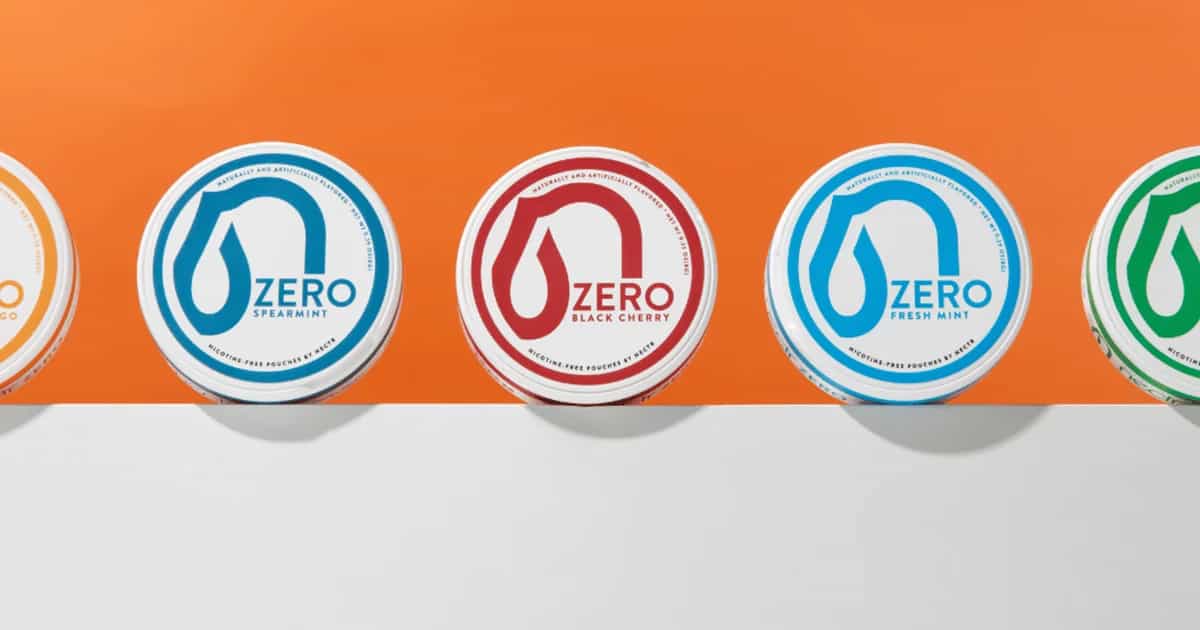
- Address the oral habit. If you are quitting nicotine pouches, Nectr Zero Pouches provide the same lip-feel and flavor without any nicotine — meaning zero cotinine production. They are the safest option during a clearance window.
Cotinine and Different Nicotine Sources
Your body produces cotinine regardless of how nicotine enters your system. Cigarettes, vapes, nicotine pouches (like Zyn or On!), patches, and gums all result in cotinine production because the metabolic pathway is identical. The amount of cotinine produced is dose-dependent — a 6mg nicotine pouch used 10 times daily produces cotinine levels comparable to smoking roughly half a pack of cigarettes.
Products that contain zero nicotine cannot produce cotinine. Nectr Zero Pouches, Nectr Energy Pouches (50mg caffeine, no nicotine), and Nectr Focus Pouches (30mg caffeine + 62.5mg Cognizin® Citicoline, no nicotine) will not trigger any cotinine test.
Frequently Asked Questions
How long does cotinine stay in urine for a one-time user?
For a single nicotine exposure, cotinine is typically detectable in urine for 2-4 days at the standard 200 ng/mL cutoff. If the test uses a more sensitive cutoff (100 ng/mL or lower), detection may extend to 4-5 days. One-time users rarely produce cotinine levels high enough to trigger standard screening thresholds.
Can secondhand smoke cause cotinine to show up on a test?
Secondhand smoke does produce measurable cotinine levels, but typically in the range of 1-10 ng/mL — well below the standard urine cutoff of 200 ng/mL. However, prolonged exposure in enclosed spaces could produce borderline results on more sensitive blood tests that use a 3-10 ng/mL cutoff.
Do nicotine-free pouches produce cotinine?
No. Products containing zero nicotine — such as Nectr Zero Pouches — cannot generate cotinine because cotinine is exclusively a metabolite of nicotine. Caffeine pouches, nootropic pouches, and other nicotine-free oral products will not affect any cotinine or nicotine test.
How accurate are at-home cotinine tests?
At-home urine cotinine tests typically use the standard 200 ng/mL cutoff and have accuracy rates of 95-99% when used correctly. They are a reasonable screening tool, but lab-confirmed quantitative tests (LC-MS/MS) are more precise and are the standard for insurance, employment, and medical purposes.
Disclaimer: Detection times are estimates based on published pharmacokinetic data from the NIH, CDC, and peer-reviewed journals. Individual results vary. This is not medical or legal advice.