
Does Zyn Cause Cancer? What the Science Actually Says
Current scientific evidence suggests that Zyn and other nicotine pouches carry a significantly lower cancer risk than combustible tobacco products like cigarettes or smokeless chewing tobacco. However, no long-term studies (20+ years) exist because nicotine pouches are a relatively new product category. Nicotine itself is not classified as a carcinogen by the International Agency for Research on Cancer (IARC), but it may promote tumor growth in people who already have cancer. The honest answer: nicotine pouches are almost certainly less harmful than smoking or dipping, but "less harmful" is not the same as "harmless."
Key Takeaways
Zero Pouches
View All →


- Nicotine itself is not classified as a carcinogen by the IARC or the FDA.
- Zyn contains no tobacco leaf, meaning it lacks the tobacco-specific nitrosamines (TSNAs) that are the primary carcinogens in cigarettes and chewing tobacco.
- No published studies have directly linked nicotine pouches like Zyn to oral cancer or any other cancer.
- Long-term safety data (20+ years) does not exist because the product category is too new.
- For people concerned about cancer risk from oral products, nicotine-free pouches eliminate both nicotine and tobacco entirely.
What Makes Tobacco Products Carcinogenic?
The primary cancer risk from tobacco products comes from tobacco-specific nitrosamines (TSNAs) — chemicals that form during the curing and processing of tobacco leaf. TSNAs, including NNK and NNN, are classified as Group 1 carcinogens by the IARC, meaning there is sufficient evidence that they cause cancer in humans.
Cigarettes expose users to over 7,000 chemicals when burned, including at least 70 known carcinogens. Smokeless chewing tobacco (like Copenhagen or Skoal) also contains TSNAs because it is made from processed tobacco leaf, though at lower levels than cigarette smoke.
Zyn and other modern nicotine pouches do not contain tobacco leaf. They use pharmaceutical-grade nicotine derived from tobacco but purified to remove TSNAs and other tobacco plant matter. This is a critical distinction: the nicotine is extracted and isolated, not consumed alongside the raw plant material that carries carcinogenic compounds.
Does Nicotine Itself Cause Cancer?
Nicotine is not classified as a carcinogen. The FDA, the National Cancer Institute, and the IARC all distinguish between nicotine (addictive but not carcinogenic) and tobacco (carcinogenic). This is why nicotine replacement therapies like patches, gums, and lozenges are approved by the FDA — they deliver nicotine without the cancer-causing compounds found in tobacco.
However, the relationship is not entirely simple. Some research suggests that nicotine may act as a tumor promoter — meaning it could accelerate the growth of cancers that already exist, even though it does not initiate cancer on its own. A 2019 review in the Journal of Clinical Investigation noted that nicotine can promote angiogenesis (blood vessel formation in tumors) and may suppress certain immune responses that help the body fight cancer cells.
For people who do not currently have cancer, this tumor-promotion effect is not considered a practical risk. For cancer patients or survivors, consulting an oncologist before using any nicotine product is strongly recommended.
Does Zyn Cause Mouth Cancer?
There are no published clinical studies or case reports linking Zyn specifically to oral cancer. The product does not contain tobacco leaf, does not generate combustion byproducts, and does not produce the tobacco-specific nitrosamines most strongly associated with oral cancer in smokeless tobacco users.
A 2022 systematic review published in Tobacco Control concluded that modern oral nicotine products (including pouches) expose users to significantly lower levels of toxicants compared to combustible or traditional smokeless tobacco products. The authors noted that while definitive long-term cancer risk data is not yet available, the toxicant profile of nicotine pouches suggests substantially lower risk.
Some users report gum irritation or minor mouth sores from nicotine pouches, which are caused by the pH level and nicotine salts — not by carcinogenic compounds. These effects are localized, temporary, and not associated with precancerous changes.
What About Long-Term Risk?
The most honest answer to "does Zyn cause cancer?" is: we do not know for certain because long-term data does not exist. Nicotine pouches have only been widely available since approximately 2016-2018. Cancer typically develops over decades of exposure, meaning definitive epidemiological data will not be available for another 10-20 years.
What we can say based on current evidence:
- The toxicant profile of nicotine pouches is dramatically lower than cigarettes or chewing tobacco.
- Nicotine is addictive but not classified as a carcinogen.
- No short-term or medium-term studies have identified carcinogenic effects from nicotine pouches.
- Public health experts generally consider nicotine pouches to be on the lower end of the risk spectrum among nicotine delivery products.
The Safest Alternative: Nicotine-Free Pouches
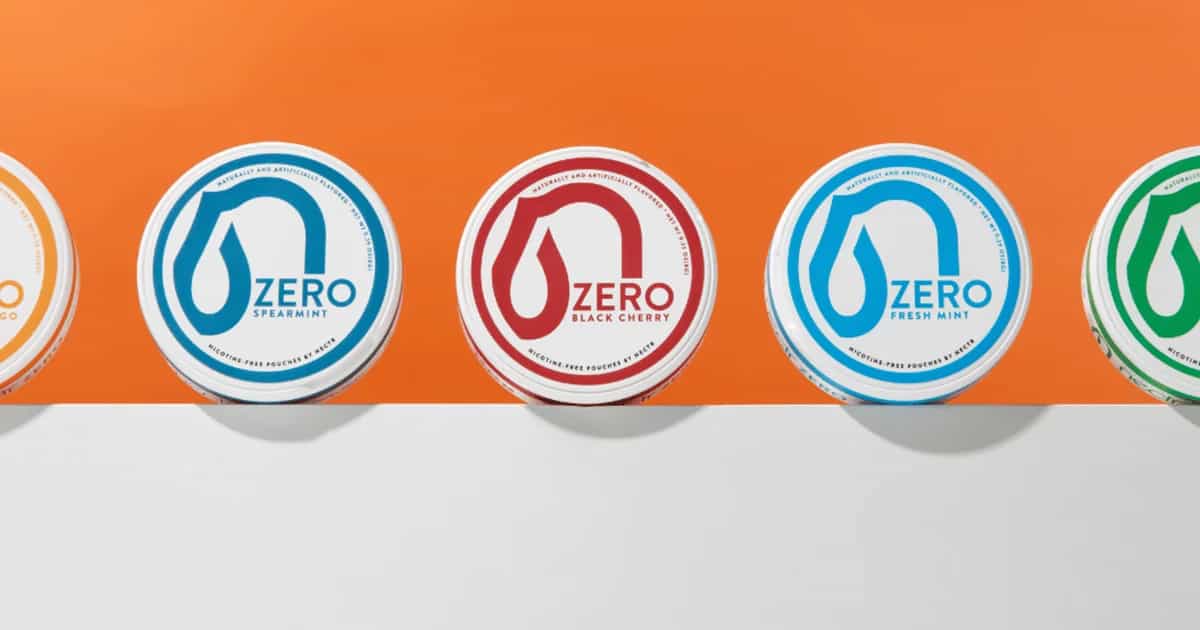
For people who want the pouch experience without any cancer-related uncertainty, nicotine-free pouches eliminate both the nicotine and the tobacco entirely. Nectr Zero Pouches contain zero nicotine, zero tobacco, zero caffeine, and zero stimulants — just flavor in a familiar pouch format.
If you are using nicotine pouches to quit smoking or dipping, the risk reduction compared to tobacco is clear. But if you are concerned about long-term effects and do not have a nicotine dependency, nicotine-free options let you enjoy the format without the question marks.
Frequently Asked Questions
Is Zyn safer than cigarettes?
Based on current evidence, yes. Zyn does not contain tobacco leaf and does not involve combustion, which eliminates exposure to the vast majority of carcinogens found in cigarette smoke. Most public health experts consider nicotine pouches to be significantly less harmful than smoking, though not completely risk-free.
Can Zyn cause throat cancer?
There are no published studies linking Zyn or similar nicotine pouches to throat cancer. Throat cancer from tobacco use is primarily caused by exposure to carcinogens in smoke or chewing tobacco — compounds that are not present in pharmaceutical-grade nicotine pouches.
Is nicotine a carcinogen?
No. Nicotine is not classified as a carcinogen by the FDA, the IARC, or the National Cancer Institute. Nicotine is addictive and has cardiovascular effects, but the cancer risk from tobacco products comes from other chemicals in tobacco leaf and smoke — not from nicotine itself.