
Does Zyn Cause Cancer? What Oncologists and Research Say
Short answer: Current evidence suggests that nicotine pouches like Zyn carry dramatically lower cancer risk than cigarettes or smokeless tobacco, primarily because they contain no tobacco leaf and have minimal levels of tobacco-specific nitrosamines (TSNAs) — the compounds most strongly linked to cancer. However, long-term data is limited since these products are relatively new, and nicotine itself may have tumor-promoting properties at high concentrations.
Understanding Cancer Risk in Nicotine Products
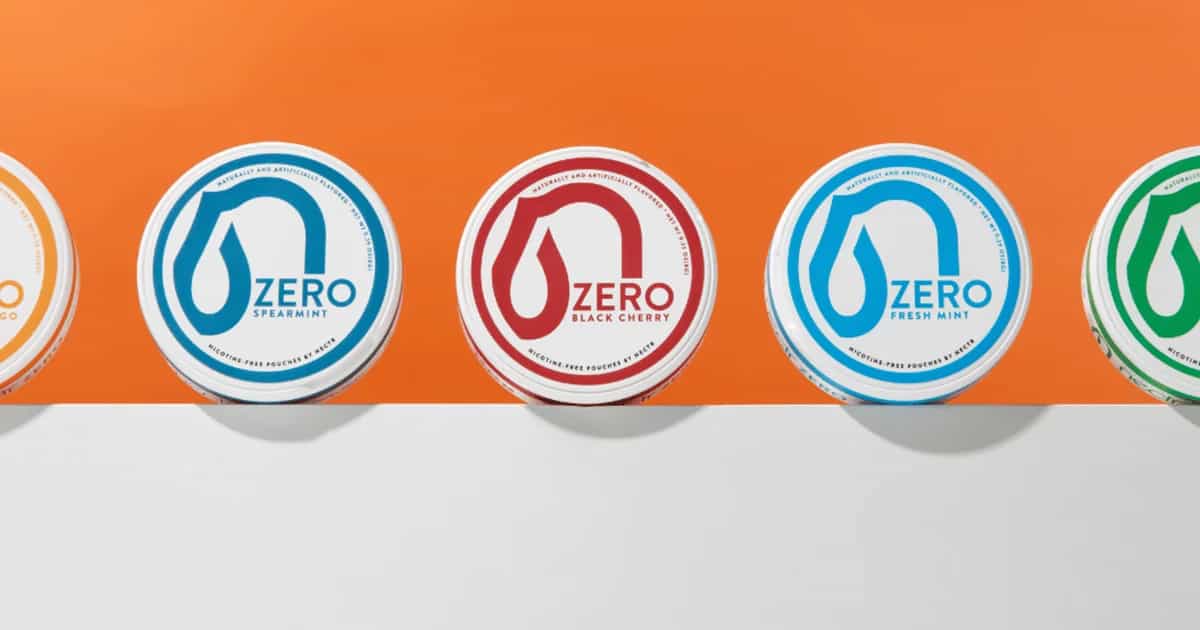
Zero Pouches
View All →


To assess whether Zyn or any nicotine pouch causes cancer, we need to understand the specific mechanisms by which tobacco and nicotine products cause cancer — and which of those mechanisms apply to nicotine pouches.
The Three Cancer Pathways
- Combustion carcinogens: Burning tobacco produces 70+ known carcinogens including benzene, formaldehyde, polycyclic aromatic hydrocarbons (PAHs), and nitrosamines. This is why cigarettes are by far the most carcinogenic nicotine product. Nicotine pouches: Not applicable (no combustion).
- Tobacco-specific nitrosamines (TSNAs): These form during tobacco curing and are present in smokeless tobacco products. The most concerning are NNK and NNN, classified as Group 1 carcinogens by the IARC. Nicotine pouches: Present in trace amounts — see comparison below.
- Nicotine's tumor-promoting properties: Nicotine itself is not classified as a carcinogen, but laboratory research suggests it may promote tumor growth and inhibit apoptosis (cell death) in existing cancer cells at high concentrations. The clinical significance of this in humans at consumer-product doses is debated. Nicotine pouches: Potentially applicable, but evidence is preliminary.
TSNA Levels: The Critical Comparison
Tobacco-specific nitrosamines are the most well-established cancer-causing agents in oral tobacco products. The levels vary enormously by product type:
| Product | Contains Tobacco Leaf | TSNAs (NNN + NNK) | Other Carcinogens | IARC Cancer Classification | Relative Oral Cancer Risk |
|---|---|---|---|---|---|
| Cigarettes | Yes (burned) | Very High + combustion carcinogens | 70+ known carcinogens | Group 1 (carcinogenic) | Very High |
| Smokeless Tobacco (dip/chew) | Yes | High (1,000–100,000 ng/g) | Moderate (PAHs, heavy metals) | Group 1 (carcinogenic) | High |
| Swedish Snus | Yes (pasteurized) | Low–Moderate (100–1,000 ng/g) | Low | Group 1 (by category) | Low–Moderate |
| Zyn/Nicotine Pouches | No (synthetic/extracted nicotine) | Trace–Very Low (<50 ng/g) | Minimal | Not separately classified | Very Low (theoretical) |
| Nicotine-Free Pouches | No | None detectable | None | Not applicable | Negligible |
The key takeaway: nicotine pouches contain 100–2,000x fewer TSNAs than American smokeless tobacco, and 20–50x fewer than Swedish snus. They contain no tobacco leaf, which eliminates the primary source of these carcinogens.
What the WHO and FDA Say
World Health Organization (WHO)
The WHO has not issued a specific classification for nicotine pouches separate from other oral nicotine products. Their general position is that no tobacco or nicotine product is completely safe, but they acknowledge a continuum of risk with combustible cigarettes at the top. Nicotine pouches fall into an "emerging product" category that the WHO continues to evaluate.
U.S. Food and Drug Administration (FDA)
The FDA regulates nicotine pouches as tobacco products (because the nicotine is derived from tobacco). Importantly, Swedish Match (maker of Zyn) has applied for Modified Risk Tobacco Product (MRTP) authorization for some of its products — a designation that would allow them to officially market the product as lower-risk than cigarettes. As of early 2026, this application is still under review. The FDA has granted MRTP status to Swedish snus, acknowledging its lower risk profile compared to cigarettes.
Oral Cancer Specifically
Oral cancer is the primary cancer concern with any product used in the mouth. Here's what the evidence shows:
- Smokeless tobacco (dip, chew): Strong causal link to oral cancer, particularly cancers of the cheek, gum, and inner lip. The risk increases with duration of use and TSNA exposure.
- Swedish snus: Despite containing tobacco, 50+ years of Swedish population data shows no significant increase in oral cancer risk compared to non-users. This is likely due to lower TSNA levels from the pasteurization process (vs. fermentation used in American products).
- Nicotine pouches: No long-term epidemiological data exists (the product category is only ~5 years old at scale). However, given that TSNA levels in nicotine pouches are even lower than Swedish snus — which already shows minimal oral cancer risk — oncologists generally consider the theoretical risk to be very low.
What Oncologists Say
The prevailing expert view follows the harm-reduction continuum:
- Nicotine pouches are not proven safe — we lack 20–30 years of population data.
- Nicotine pouches are almost certainly far safer than smoking — the primary carcinogenic mechanisms (combustion, high TSNA exposure) are absent.
- Nicotine pouches are likely safer than smokeless tobacco — no tobacco leaf means minimal TSNA exposure.
- The safest option is always no nicotine — eliminating even the theoretical risk of nicotine's tumor-promoting properties.
The Nicotine-Free Option
For anyone concerned about cancer risk — even the theoretical, unproven risks of nicotine — nicotine-free pouches like Nectr Zero remove every known risk factor. No nicotine, no TSNAs, no tobacco, no combustion. They contain nootropic ingredients (Cognizin® Citicoline) and adaptogens, with zero carcinogenic concern.
If you currently use Zyn or other nicotine pouches and want to reduce your risk to as close to zero as possible while keeping the oral ritual, transitioning to Nectr Zero is the most straightforward path.
Nectr Zero Pouches — the cleanest pouch on the market. Or choose Energy or Focus for a functional, nicotine-free boost. Build a bundle and save up to 35% on your first order, then 25%.
Frequently Asked Questions
Do nicotine pouches cause oral cancer?
There is no evidence that nicotine pouches cause oral cancer. They contain no tobacco leaf, produce no combustion byproducts, and have TSNA levels 100–2,000x lower than American smokeless tobacco. However, long-term epidemiological data (20+ years) does not yet exist for this product category, so absolute certainty isn't possible. The theoretical risk is very low based on the known carcinogenic mechanisms.
Is there formaldehyde in Zyn?
Formaldehyde is a combustion byproduct — it forms when organic matter burns. Since Zyn involves no combustion or heating, it does not produce formaldehyde. Independent lab analyses of nicotine pouches have not detected formaldehyde at meaningful levels. This is a carcinogen found in cigarette smoke and some vape aerosols, not in oral pouches.
Are tobacco-free pouches cancer-free?
No product can be definitively labeled "cancer-free," but tobacco-free nicotine pouches eliminate the two primary cancer-causing mechanisms in traditional tobacco products: combustion carcinogens and high-level TSNA exposure. Nicotine-free pouches like Nectr Zero go further by also eliminating nicotine's theoretical tumor-promoting properties, making them the lowest-risk pouch option available.
What does the FDA say about Zyn and cancer?
The FDA has not issued a specific cancer risk assessment for Zyn. Swedish Match (Zyn's manufacturer) has applied for Modified Risk Tobacco Product status, which would formally acknowledge the product's reduced risk compared to cigarettes. The FDA has granted this status to Swedish snus (which contains actual tobacco) based on extensive epidemiological evidence of lower cancer risk. A decision on Zyn's application is still pending as of 2026.
Are nicotine-free pouches safer?
Yes. Nicotine-free pouches eliminate every known and theoretical cancer risk factor: no tobacco, no TSNAs, no combustion, and no nicotine (which has theoretical tumor-promoting properties at high concentrations). Nectr Zero Pouches are the cleanest option for anyone who wants the pouch experience with the absolute minimum health risk.