
Does Nicotine Cause Erectile Dysfunction? What Studies Show
Does nicotine cause erectile dysfunction? Yes — clinical evidence strongly supports a direct link between nicotine use and erectile dysfunction (ED). Nicotine causes vasoconstriction (narrowing of blood vessels) throughout the body, including the penile arteries that are essential for achieving and maintaining an erection. A 2015 meta-analysis in the American Journal of Epidemiology found that current smokers had a 51% higher risk of ED compared to non-smokers, with nicotine identified as the primary vasoactive compound responsible. This effect is not limited to smoking — any form of nicotine delivery, including pouches, can impair erectile function.
This article is for informational purposes only and is not medical advice. If you are experiencing erectile dysfunction, consult your healthcare provider for proper evaluation and treatment.
Key Takeaways
Focus Pouches
View All →


- Nicotine causes vasoconstriction that directly reduces blood flow to the penis — the primary mechanism of nicotine-related ED.
- Both acute (single dose) and chronic nicotine use impair erectile function, though chronic use causes lasting vascular damage.
- A meta-analysis found 51% higher ED risk in nicotine users vs non-users.
- Quitting nicotine can significantly improve erectile function — studies show measurable improvement within 4-12 weeks.
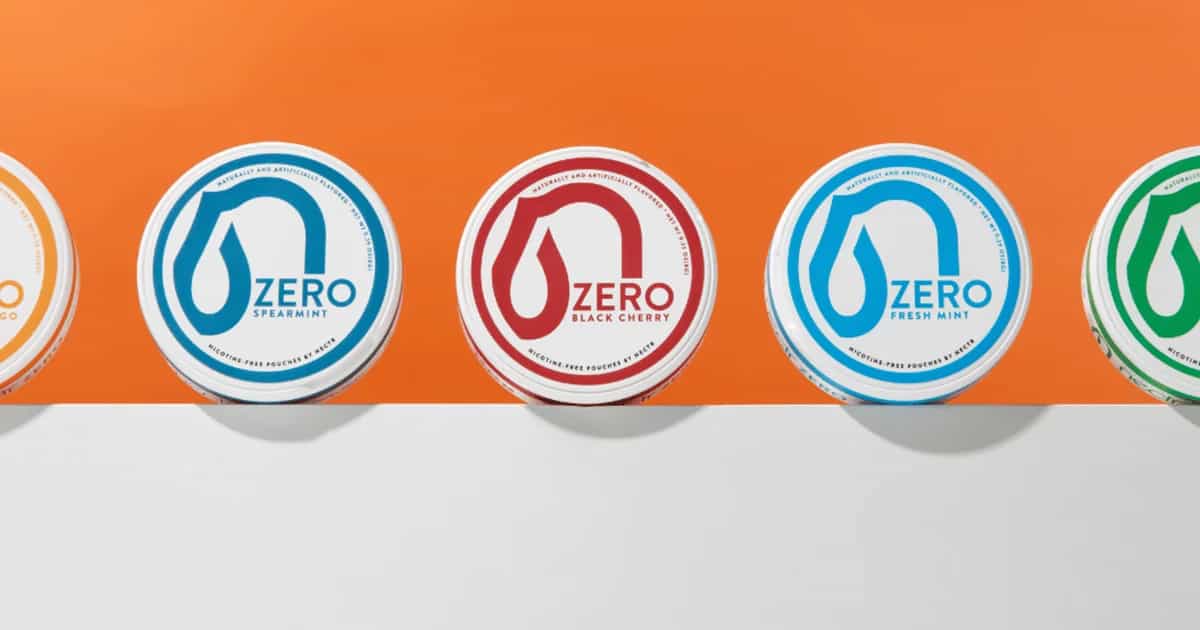
- Nicotine-free alternatives like Nectr Zero pouches or caffeine pouches eliminate this risk while maintaining the pouch habit.
How Nicotine Causes Erectile Dysfunction
Erections depend on blood flow. When a man is sexually aroused, the brain sends signals that trigger the release of nitric oxide (NO) in the penile arteries. Nitric oxide relaxes the smooth muscle lining these blood vessels, allowing them to dilate and fill with blood. This increased blood flow creates the erection. Anything that impairs blood vessel dilation or reduces blood flow can cause ED.
Nicotine undermines this process through three mechanisms:
1. Acute Vasoconstriction
Each dose of nicotine activates the sympathetic nervous system, causing blood vessels throughout the body to constrict. This includes the penile arteries. Even a single nicotine pouch can measurably reduce penile blood flow within minutes. The vasoconstriction persists for 30-60 minutes after each dose and can be cumulative with frequent use throughout the day.
2. Endothelial Damage
The endothelium is the thin layer of cells lining blood vessels that produces nitric oxide. Chronic nicotine exposure damages endothelial cells and reduces their ability to produce NO. A 2012 study in the Journal of Sexual Medicine found that nicotine directly impairs endothelial nitric oxide synthase (eNOS) activity — the enzyme responsible for producing the nitric oxide required for erections.
This damage is cumulative: the longer and more heavily you use nicotine, the more impaired your endothelial function becomes.
3. Atherosclerosis Acceleration
Long-term nicotine use promotes atherosclerosis — the buildup of plaque inside arteries. The penile arteries are among the smallest in the body (1-2mm diameter), making them some of the first to be affected by plaque buildup. In fact, ED is often the first clinical sign of cardiovascular disease, appearing years before symptoms in larger arteries.
What the Research Shows
The connection between nicotine and ED is well-established across multiple study types:
| Study | Finding | Source |
|---|---|---|
| Meta-analysis (2015) | Current smokers had 51% higher ED risk vs never-smokers | American Journal of Epidemiology |
| Dose-response study | ED risk increases linearly with number of cigarettes/day (dose-dependent) | BJU International |
| Acute nicotine study | Single nicotine dose reduced penile blood flow by 23% via Doppler ultrasound | Journal of Urology |
| Quitting study | 25% of men who quit showed improved erectile function at 6 months | BJU International |
| Young men study | Nicotine use in men under 40 associated with 2x higher ED risk | Andrologia |
Notably, these effects are attributed to nicotine itself — not just the other chemicals in cigarette smoke. This means nicotine pouches, while eliminating tobacco-specific risks, still carry the vasoconstriction and endothelial damage risks that contribute to ED.
Does the Form of Nicotine Matter?
Cigarettes are the worst for erectile function because they combine nicotine with carbon monoxide (which further reduces oxygen delivery to tissues) and thousands of other harmful chemicals. However, any nicotine delivery method — pouches, patches, gum, vapes — causes vasoconstriction and endothelial stress.
The key variable is dose and frequency. Higher nicotine doses and more frequent use cause more pronounced vasoconstriction and faster endothelial damage. Users of high-strength nicotine pouches (6mg+) who use 10-15 pouches per day are delivering substantial nicotine doses that meaningfully impair vascular function.
Can Quitting Nicotine Reverse ED?
Yes, in many cases. The degree of recovery depends on how long you have used nicotine and whether permanent vascular damage has occurred:
- 4-12 weeks after quitting: Acute vasoconstriction resolves. Blood vessel tone begins to normalize. Many men notice improved erection quality during this period.
- 3-6 months: Endothelial function improves measurably. Nitric oxide production increases as endothelial cells repair.
- 1 year+: Cardiovascular risk decreases significantly. Penile blood flow approaches that of non-nicotine users.
A study in BJU International found that approximately 25% of former smokers who quit showed clinically significant improvement in erectile function at 6 months. Men under 50 with shorter use histories had the best recovery outcomes.
For a structured quitting approach, see our guide on how to quit nicotine pouches.
Nicotine-Free Alternatives for Pouch Users
If you use nicotine pouches and are concerned about erectile function, switching to nicotine-free pouches eliminates the vascular risk entirely while preserving the oral habit:
- Nectr Zero: Zero nicotine, zero caffeine — maintains the pouch ritual with zero vascular impact
- Nectr Energy: 50mg caffeine — provides stimulation without nicotine's vasoconstriction
- Nectr Focus: 30mg caffeine + 62.5mg Cognizin® Citicoline — cognitive support without nicotine
Caffeine at low doses (30-50mg) does not cause the vasoconstriction associated with nicotine. In fact, caffeine is a mild vasodilator in some vascular beds, meaning it may actually support rather than impair blood flow.
Other Factors That Affect Erectile Function
Nicotine is one of several modifiable risk factors for ED. If you are quitting nicotine to improve sexual health, addressing these factors simultaneously maximizes results:
- Exercise: Regular cardiovascular exercise improves endothelial function and blood flow. Even 150 minutes of moderate exercise per week significantly reduces ED risk.
- Sleep: Testosterone production peaks during deep sleep. Poor sleep quality directly reduces testosterone levels and sexual function.
- Alcohol: Heavy alcohol use impairs erectile function through both neurological and vascular pathways. Moderation helps.
- Stress management: Chronic stress elevates cortisol, which suppresses testosterone and activates the sympathetic nervous system (vasoconstriction).
- Diet: A Mediterranean-style diet rich in nitrate-containing vegetables (which convert to nitric oxide), omega-3 fatty acids, and antioxidants supports vascular health.
Frequently Asked Questions
Does nicotine directly cause erectile dysfunction?
Yes. Nicotine causes vasoconstriction that reduces blood flow to the penis, damages the endothelial cells that produce nitric oxide (essential for erections), and accelerates atherosclerosis in penile arteries. These effects are dose-dependent and cumulative with chronic use. A meta-analysis found 51% higher ED risk in nicotine users.
Can nicotine pouches cause ED even though they are tobacco-free?
Yes. The erectile dysfunction risk from nicotine is caused by nicotine itself — not by tobacco or smoke. Nicotine pouches deliver nicotine that causes vasoconstriction and endothelial damage regardless of the delivery method. While pouches eliminate the additional harm from tobacco and combustion, they still carry nicotine's vascular effects.
How quickly does erectile function improve after quitting nicotine?
Many men notice improvement within 4-12 weeks as acute vasoconstriction resolves. Endothelial function continues improving over 3-6 months. A study found that 25% of men showed clinically significant ED improvement at 6 months after quitting. Younger men with shorter use histories recover fastest.
Is ED from nicotine reversible?
In most cases, partially or fully. Acute vasoconstriction reverses within days of quitting. Endothelial damage from moderate use can heal over months. However, severe atherosclerosis from long-term heavy use may cause permanent vascular narrowing that does not fully reverse. Quitting earlier preserves more vascular function.
Does caffeine cause erectile dysfunction?
No. Unlike nicotine, caffeine does not cause significant vasoconstriction in penile arteries. Some research suggests moderate caffeine consumption may actually have a mild protective effect against ED due to its vasodilatory properties in certain vascular beds. Caffeine pouches (30-50mg) pose no known risk to erectile function.