
Does Nicotine Cause Depression? Mental Health Effects
Does nicotine cause depression? The relationship is complex but increasingly clear: while nicotine produces short-term mood elevation by stimulating dopamine release, regular use rewires the brain's reward system in ways that increase vulnerability to depression. A 2020 meta-analysis in JAMA Psychiatry found that nicotine users have a 60-80% higher risk of developing depression compared to non-users, and longitudinal studies show that nicotine use typically precedes the onset of depressive symptoms — not the other way around. Quitting nicotine is associated with improved mental health outcomes comparable to the effect of antidepressant medications.
This article is for informational purposes only and is not medical advice. If you are experiencing depression or other mental health concerns, please consult a healthcare professional or contact the 988 Suicide and Crisis Lifeline (call or text 988).
Key Takeaways
Focus Pouches
View All →


- Nicotine creates a deceptive mood cycle: temporary dopamine boost followed by withdrawal-induced low mood, irritability, and anxiety.
- Long-term nicotine use downregulates the brain's natural dopamine system, making baseline mood lower over time.
- A meta-analysis found 60-80% higher depression risk in nicotine users vs non-users.
- Quitting nicotine improves mental health — studies show anxiety and depression scores improve significantly within 3-6 months.
- Nicotine-free pouches provide the oral habit without the neurochemical cycle that worsens mood.
How Nicotine Affects Your Brain's Mood Chemistry
To understand nicotine's relationship with depression, you need to understand what nicotine does to your brain's reward system:
The Dopamine Trap
When nicotine enters the brain, it binds to nicotinic acetylcholine receptors, triggering a rapid release of dopamine — the neurotransmitter associated with pleasure, motivation, and reward. This produces the "buzz" or mood lift that nicotine users experience. The effect is immediate and reliable, which is precisely why it is so addictive.
However, the brain adapts to this artificial dopamine stimulation through two mechanisms:
- Receptor upregulation: The brain grows more nicotinic receptors to handle the frequent stimulation. More receptors means you need more nicotine to achieve the same effect (tolerance).
- Dopamine downregulation: The brain reduces its baseline dopamine production and receptor sensitivity to compensate for the artificial surges. This lowers your natural mood baseline over time.
The result is a cycle: nicotine temporarily restores mood to "normal" by spiking dopamine, but the normal baseline keeps sinking. Users feel they need nicotine just to feel okay — and feel worse than they would have without nicotine when they are between doses.
The Withdrawal-Mood Connection
Between doses, nicotine users experience mini-withdrawals throughout the day. Even before the next pouch is due, dopamine levels dip below baseline, producing:
- Irritability and short temper
- Anxiety and restlessness
- Difficulty experiencing pleasure (anhedonia)
- Low motivation and fatigue
- Difficulty concentrating
These symptoms look and feel like depression. Many nicotine users do not realize they are experiencing withdrawal-induced mood disturbance rather than organic depression. The nicotine itself is creating the very symptoms it appears to relieve.
What the Research Shows
| Study | Key Finding | Source |
|---|---|---|
| Meta-analysis (2020) | Nicotine users 60-80% more likely to develop depression | JAMA Psychiatry |
| Longitudinal study | Adolescent nicotine use predicted later depression onset (not vice versa) | Psychological Medicine |
| Quitting study (2021) | Mental health improved after quitting — anxiety and depression scores dropped significantly by 6 months | Cochrane Database |
| Brain imaging study | Chronic nicotine users showed reduced dopamine receptor availability in reward circuits | Neuropsychopharmacology |
| Twin study | Within twin pairs, the nicotine-using twin had higher depression rates — controlling for shared genetics | Archives of General Psychiatry |
The twin study is particularly important because it controls for genetic predisposition. If depression caused people to seek nicotine (self-medication hypothesis), both twins would be expected to use nicotine. Instead, the nicotine-using twin developed depression at higher rates, supporting the hypothesis that nicotine contributes to depression directly.
The Self-Medication Myth
A common belief is that people use nicotine because they are already depressed — the "self-medication" hypothesis. While some people do initially reach for nicotine during difficult times, longitudinal evidence shows the causation primarily runs in the other direction:
- Nicotine use in adolescence predicts later depression onset, even after controlling for baseline mental health
- Quitting nicotine improves depression and anxiety scores — if nicotine were treating an underlying condition, quitting should make it worse
- The neurobiological mechanism (dopamine downregulation) provides a clear biological pathway from nicotine use to depression
This does not mean depression never precedes nicotine use. But the evidence suggests that for most people, nicotine worsens rather than improves mental health over time.
Nicotine and Anxiety: A Related Pattern
The same cycle applies to anxiety. Nicotine produces a brief calming effect (through dopamine and GABA release), but between-dose withdrawals trigger anxiety symptoms. Chronic users have elevated baseline anxiety levels compared to non-users. A 2015 systematic review found that quitting nicotine reduced anxiety levels to a degree comparable to anti-anxiety medication.
Many people who quit nicotine report that their anxiety was significantly worse than they realized while using — because nicotine withdrawal was constantly generating anxiety symptoms that they attributed to their personality or life circumstances.
Does Quitting Nicotine Improve Mental Health?
Yes — and the evidence is strong. A landmark Cochrane review (2021) analyzed multiple studies and concluded that quitting nicotine is associated with:
- Reduced depression symptoms (effect size comparable to antidepressant medication)
- Reduced anxiety
- Reduced stress levels
- Improved positive mood
- Improved quality of life
These improvements typically emerge 2-6 weeks after quitting (once acute withdrawal subsides) and continue to build over 3-6 months as the brain's dopamine system recalibrates.
The first 2-4 weeks after quitting are the hardest, as withdrawal symptoms include increased anxiety, irritability, and low mood. These are temporary and reflect the brain's adjustment period, not a permanent worsening. Having a structured quitting plan makes this transition manageable — see our guide on how to quit nicotine pouches.
Breaking the Cycle: Nicotine-Free Alternatives
One of the reasons nicotine's mood effects are so persistent is the behavioral reinforcement of the pouch ritual. The physical act of placing a pouch becomes associated with the dopamine response, creating a powerful conditioned habit. Nicotine-free pouches allow you to maintain this behavioral routine while removing the neurochemical cycle that worsens mood:
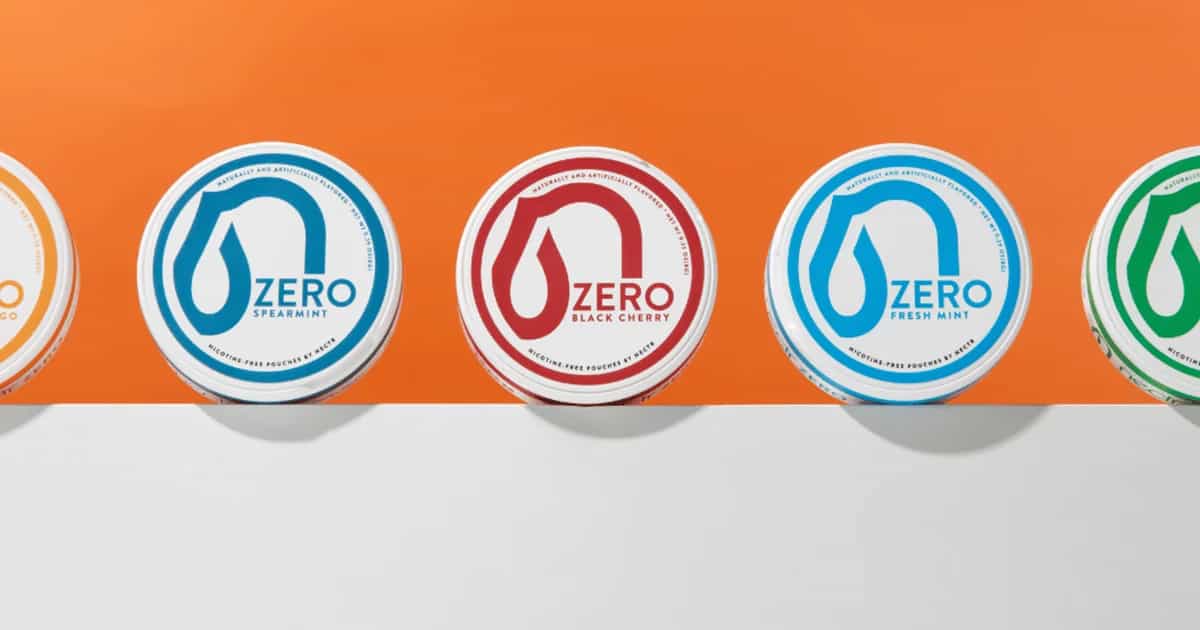
- Nectr Zero: Zero nicotine, zero caffeine — preserves the oral habit with no mood-cycle impact
- Nectr Energy: 50mg caffeine — mild mood and energy support without nicotine's dopamine downregulation
- Nectr Focus: 30mg caffeine + 62.5mg Cognizin® Citicoline — cognitive support that works through different, non-addictive pathways
All Nectr pouches are nicotine-free, non-addictive, and manufactured in GMP-certified facilities in Sweden.
When to Seek Professional Help
If you are experiencing depression — whether or not it is related to nicotine use — please seek professional support. Signs that you should talk to a healthcare provider:
- Persistent low mood lasting more than 2 weeks
- Loss of interest in activities you normally enjoy
- Changes in sleep or appetite
- Difficulty functioning at work or in relationships
- Thoughts of self-harm or suicide (contact 988 Suicide and Crisis Lifeline immediately)
Quitting nicotine can be done alongside mental health treatment. In fact, research shows that quitting nicotine enhances the effectiveness of antidepressant medications rather than undermining them.
Frequently Asked Questions
Does nicotine cause depression or does depression cause nicotine use?
Evidence supports both directions, but longitudinal studies show nicotine use more often precedes depression onset. Nicotine downregulates the brain's natural dopamine system over time, lowering baseline mood. Twin studies show the nicotine-using twin develops depression at higher rates, controlling for shared genetics. Quitting nicotine improves depression scores, further supporting a causal role.
Can quitting nicotine improve depression?
Yes. A Cochrane review found that quitting nicotine reduces depression and anxiety with an effect size comparable to antidepressant medication. Improvements typically appear 2-6 weeks after quitting (once withdrawal subsides) and continue building over 3-6 months as brain chemistry normalizes.
Why do I feel depressed when I stop using nicotine?
This is a withdrawal symptom, not evidence that nicotine was helping your mood. When you stop nicotine, your brain's downregulated dopamine system takes 2-4 weeks to begin recalibrating. During this period, you experience lower-than-normal dopamine levels, causing temporary low mood, irritability, and anhedonia. These symptoms are temporary and resolve as your brain heals.
Does nicotine cause anxiety too?
Yes. Nicotine creates a similar cycle with anxiety: brief calming effect from each dose, followed by withdrawal-induced anxiety between doses. Chronic nicotine users have elevated baseline anxiety compared to non-users. A systematic review found that quitting nicotine reduces anxiety levels comparably to anti-anxiety medication.
Are nicotine-free pouches better for mental health?
Yes. Nicotine-free pouches eliminate the dopamine-crash cycle that worsens mood over time. They provide the oral ritual and behavioral satisfaction without the neurochemical dependency. For people quitting nicotine, they serve as a behavioral replacement that aids the transition without perpetuating the addiction.