
Does Nicotine Cause Acne? What Dermatologists Say
Nicotine can worsen acne through several mechanisms: it constricts blood vessels (reducing oxygen and nutrient delivery to the skin), increases inflammation, may disrupt hormonal balance, and impairs wound healing. While nicotine alone is not as damaging to skin as smoking — which exposes the skin to thousands of additional toxins — dermatological research suggests that nicotine from any source can negatively affect skin health and potentially exacerbate acne, especially in people already prone to breakouts.
Key Takeaways
Zero Pouches
View All →


- Nicotine constricts blood vessels, reducing blood flow to the skin by up to 40% — depriving skin cells of oxygen and nutrients.
- Reduced blood flow impairs the skin's ability to heal, clear bacteria, and regulate sebum production.
- Smokers have significantly higher rates of certain acne types, particularly non-inflammatory comedonal acne.
- Nicotine may increase sebum (oil) production through its effects on androgen hormones.
- Quitting nicotine improves skin blood flow within 2-4 weeks, which can improve acne and overall skin quality.
How Nicotine Affects Your Skin
Nicotine impacts skin health through four primary mechanisms:
1. Vasoconstriction (Reduced Blood Flow)
Nicotine causes blood vessels to constrict, reducing blood flow to the skin by up to 40% within minutes of use. Your skin depends on this blood supply for oxygen, nutrients, and immune cell delivery. When blood flow is chronically reduced, the skin becomes less efficient at fighting bacteria (including Cutibacterium acnes, the bacterium that causes inflammatory acne), removing waste products, and repairing damage.
2. Increased Inflammation
Research published in the Journal of Dermatological Science shows that nicotine activates inflammatory pathways in the skin, including increased production of pro-inflammatory cytokines. Inflammation is the driving force behind red, swollen, painful acne lesions. By upregulating the inflammatory response, nicotine can make existing acne worse and more difficult to treat.
3. Hormonal Effects
Nicotine stimulates the adrenal glands to release cortisol and can influence androgen levels. Androgens (like testosterone and DHEA) are well-established drivers of sebum (oil) production. Excess sebum clogs pores and creates an environment where acne-causing bacteria thrive. While the hormonal effects of nicotine are less pronounced than those of anabolic steroids or hormonal imbalances, they may contribute to acne in susceptible individuals.
4. Impaired Wound Healing
Nicotine slows the skin's healing process by reducing collagen synthesis and oxygen delivery to damaged tissue. For acne sufferers, this means that existing breakouts take longer to resolve, and the risk of post-inflammatory hyperpigmentation (dark spots) and scarring is increased.
What Does the Research Say?
A 2009 study published in the journal Dermato-Endocrinology found that smokers had significantly higher rates of non-inflammatory acne (blackheads and whiteheads) compared to non-smokers. The study, which analyzed over 1,000 women aged 25-50, found that 42% of smokers had clinically significant acne compared to 10% of non-smokers.
A separate 2020 review in the Journal of the European Academy of Dermatology and Venereology concluded that "smoking and nicotine use are associated with an increased prevalence and severity of acne," though the authors noted that it can be difficult to isolate nicotine's effects from the thousands of other chemicals in cigarette smoke.
For nicotine pouch users specifically, no large-scale studies have been conducted on the relationship between pouch use and acne. However, because the skin effects of nicotine (vasoconstriction, inflammation, hormonal changes) occur regardless of the delivery method, it is reasonable to expect that nicotine from pouches could contribute to acne in a similar — though potentially less severe — way than smoking.
Will Quitting Nicotine Clear My Acne?
Quitting nicotine alone may not completely clear acne, because acne has many contributing factors (genetics, diet, hormones, stress, skincare routine). However, removing nicotine's negative effects on skin blood flow, inflammation, and healing will create a better environment for your skin to recover and for other acne treatments to work more effectively.
Most dermatologists report that patients who quit nicotine see noticeable improvements in skin quality within 2-4 weeks, as blood flow normalizes and the skin begins to repair. If you are using nicotine pouches as part of a quit-smoking journey, transitioning to nicotine-free pouches maintains the oral habit while eliminating nicotine's effects on your skin.
Nicotine-Free Alternatives for Better Skin
If acne is a concern and you are currently using nicotine pouches, switching to nicotine-free options removes the vasoconstrictive and inflammatory effects on your skin while keeping the pouch format you are used to:
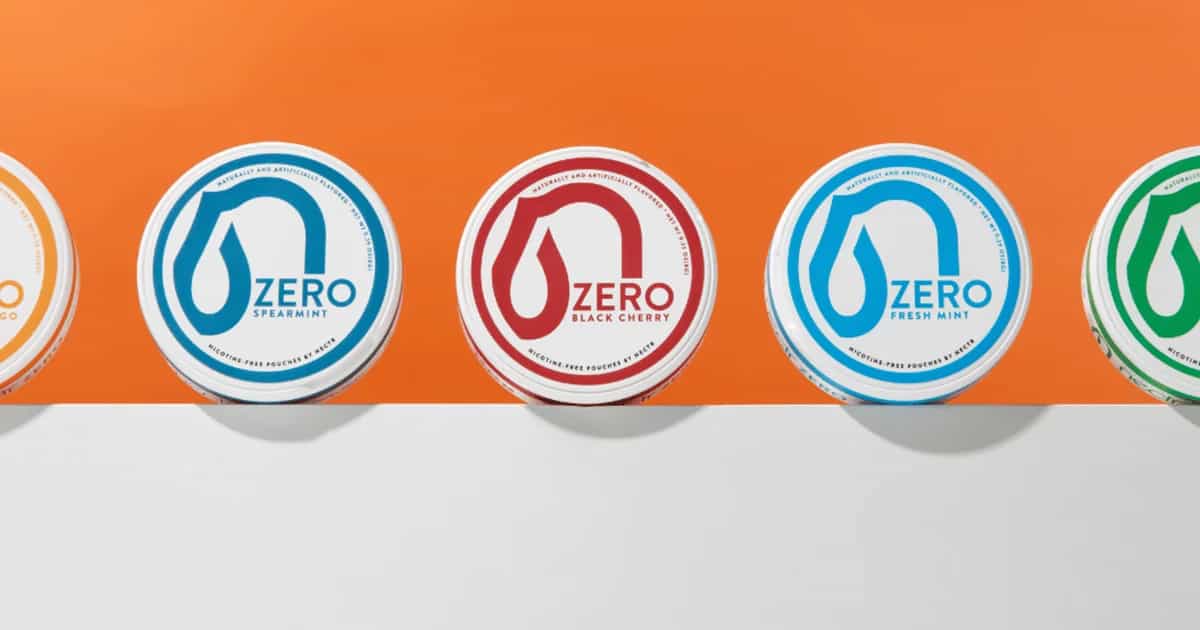
- Nectr Zero Pouches: Zero nicotine, zero caffeine, zero stimulants. Just flavor.
- Nectr Energy Pouches: 50 mg caffeine for energy, zero nicotine. Caffeine does not cause the same vasoconstriction or inflammatory effects as nicotine.
- Nectr Focus Pouches: 30 mg caffeine + 62.5 mg Cognizin® Citicoline for focus, zero nicotine.
Frequently Asked Questions
Can Zyn cause acne?
Zyn contains nicotine, which can contribute to acne through vasoconstriction, increased inflammation, and hormonal effects. While no studies have specifically examined Zyn and acne, nicotine from any source has the potential to worsen breakouts in acne-prone individuals.
Does vaping cause acne?
Vaping with nicotine can contribute to acne through the same mechanisms as other nicotine delivery methods: reduced blood flow, increased inflammation, and hormonal disruption. Nicotine-free vapes do not carry these same skin-related risks.
How long after quitting nicotine will my skin improve?
Most people notice improvements in skin quality within 2-4 weeks of quitting nicotine. Blood flow to the skin begins to normalize within 24-72 hours, and the full benefits — including better healing, reduced inflammation, and improved complexion — typically manifest over 1-3 months.