Citicoline vs Choline: What's the Difference?
The terms citicoline and choline get used interchangeably in supplement marketing, but they are fundamentally different compounds with different mechanisms, different benefits, and different levels of clinical evidence. Choline is an essential nutrient your body needs for neurotransmitter production, liver function, and cell membrane integrity. Citicoline (CDP-choline) is a compound that contains choline but also provides cytidine — a nucleotide that converts to uridine and drives brain cell membrane synthesis. Choosing the right one depends on what you are trying to accomplish.
Key Takeaways
Focus Pouches
View All →


- Choline is an essential nutrient; citicoline is a compound that provides choline plus cytidine for dual-pathway brain support.
- Citicoline crosses the blood-brain barrier more efficiently than most standalone choline supplements.
- Alpha-GPC is the closest choline competitor to citicoline in terms of brain bioavailability, but it lacks the cytidine/uridine pathway.
- For cognitive enhancement, citicoline (especially as Cognizin®) has stronger clinical evidence than plain choline.
- Citicoline is the better choice if your goal is focus, memory, and neuroprotection — not just meeting basic choline requirements.
What Is Choline and Why Does Your Brain Need It?
Choline is classified as an essential nutrient by the Institute of Medicine. Your body can produce small amounts in the liver, but not enough to meet demand — you need to get the rest from food or supplements. Choline serves several critical roles:
- Acetylcholine production: Choline is the direct precursor to acetylcholine, the neurotransmitter that controls attention, learning, and muscle contraction.
- Cell membrane structure: Choline is needed to make phosphatidylcholine, a major component of cell membranes throughout your body.
- Methylation: Choline is involved in methyl-group metabolism, which affects gene expression and homocysteine levels.
Food sources include eggs, liver, fish, and cruciferous vegetables, but studies suggest that roughly 90% of Americans do not meet the adequate intake for choline (Wallace & Fulgoni, 2017, Nutrients).
How Is Citicoline Different From Plain Choline?
Citicoline is not just "another form of choline." It is a distinct molecule — cytidine-5'-diphosphocholine — that provides two active components when metabolized:
| Feature | Citicoline (CDP-Choline) | Choline Bitartrate | Alpha-GPC |
|---|---|---|---|
| Provides choline | Yes | Yes | Yes |
| Provides cytidine/uridine | Yes | No | No |
| Crosses blood-brain barrier efficiently | Yes | Poorly | Yes |
| Supports membrane synthesis (phosphatidylcholine) | Yes (via both choline + uridine pathways) | Limited | Moderate |
| Boosts acetylcholine | Yes | Modestly | Yes |
| Clinical evidence for cognition | Strong (multiple RCTs) | Weak | Moderate |
| Neuroprotective properties | Yes (studied in stroke and TBI) | Minimal | Some evidence |
| Branded clinical form available | Yes (Cognizin®) | No | No standardized brand |
The critical differentiator is the cytidine component. When citicoline is metabolized, the cytidine crosses the blood-brain barrier and converts to uridine. Uridine stimulates the Kennedy pathway — the primary biochemical route for phosphatidylcholine synthesis in neurons. This means citicoline supports brain cell membrane construction through two converging pathways: the choline side feeds raw material, and the uridine side activates the assembly machinery (Wurtman et al., 2009, Pharmacology & Therapeutics).
Plain choline supplements — particularly choline bitartrate, the cheapest and most common form — only provide one side of the equation and have poor blood-brain barrier penetration. Alpha-GPC is a better choline source for the brain, but it still lacks the cytidine/uridine pathway entirely.
Which Should You Choose: Citicoline or Choline?
The answer depends on your goal:
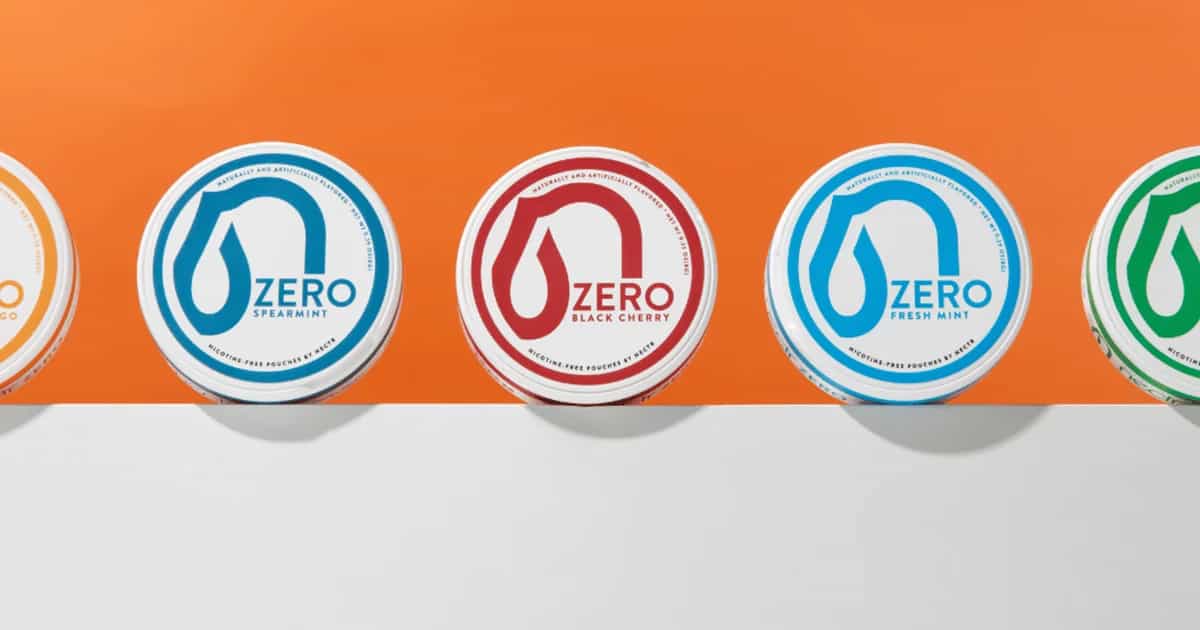
Choose citicoline (Cognizin®) if: You want to enhance cognitive performance — better focus, sharper memory, neuroprotection. Citicoline's dual-action mechanism and clinical evidence make it the superior nootropic. Nectr Focus Pouches deliver 62.5 mg of Cognizin® Citicoline sublingually for fast-absorbing brain support.
Choose choline bitartrate if: You simply need to meet your daily choline requirement for general health (liver function, methylation) and budget is a primary concern. It is the cheapest form but least effective for cognitive enhancement.
Choose alpha-GPC if: You want a choline source with better brain bioavailability than bitartrate but do not need the uridine pathway. Alpha-GPC is popular in pre-workout supplements for its potential effects on growth hormone and power output.
Can You Take Citicoline and Choline Together?
You can, but it is usually unnecessary. Since citicoline already provides choline as one of its metabolites, adding a standalone choline supplement creates redundancy. The exception would be if you are taking citicoline at a low dose and want additional choline for non-cognitive purposes (like liver health or methylation support). For most people focused on brain performance, citicoline alone — particularly in the Cognizin® form — covers both bases.
What Does the Research Say About Citicoline vs Choline for Cognition?
Head-to-head comparisons between citicoline and plain choline for cognitive outcomes are limited, but the available evidence strongly favors citicoline. The key studies on citicoline — including McGlade et al. (2012) showing improved attention and Silveri et al. (2008) showing increased brain ATP — used citicoline specifically, not choline bitartrate or alpha-GPC.
Choline bitartrate has almost no published clinical evidence for cognitive enhancement in healthy adults. Its primary role in research has been meeting nutritional adequacy, not boosting brain performance. Alpha-GPC has more promising cognitive data, particularly in age-related decline, but it lacks the uridine pathway that gives citicoline its membrane-building advantage.
For students, professionals, and anyone seeking a tangible cognitive edge, citicoline — delivered sublingually via Nectr Focus Pouches — provides the most complete and well-validated approach. The combination of acetylcholine support and membrane synthesis is unique to citicoline's metabolic pathway and is not replicated by any standalone choline source.
Frequently Asked Questions
Is citicoline better than alpha-GPC for focus?
For pure cognitive enhancement, citicoline has stronger clinical evidence. Alpha-GPC delivers choline to the brain effectively but lacks the cytidine/uridine pathway that supports membrane synthesis. Citicoline also has more published RCTs specifically measuring attention and memory outcomes.
Does choline bitartrate help with brain function?
Minimally. Choline bitartrate is poorly absorbed across the blood-brain barrier compared to citicoline or alpha-GPC. It is adequate for meeting general choline needs but is not considered an effective nootropic for cognitive enhancement.
How much citicoline equals how much choline?
Citicoline is approximately 18% choline by weight. A 500 mg dose of citicoline provides roughly 90 mg of free choline. However, comparing them by choline content alone misses the point — citicoline's value lies in the combined action of choline and cytidine/uridine, not just its choline contribution.
Can I get enough citicoline from food?
Your body produces citicoline naturally, but dietary sources are extremely limited compared to choline. Organ meats and eggs provide choline that your body can partially convert, but supplementation is the only practical way to achieve the dosages used in clinical studies. Products like Nectr Focus Pouches make supplementation simple and portable.