
Caffeine Pouches vs Nicotine Pouches: Key Differences
Caffeine pouches vs nicotine pouches look identical on the outside — small, white pouches tucked between lip and gum — but they contain fundamentally different substances with very different effects on your body. Caffeine pouches deliver 30-50 mg of caffeine for clean energy and focus, with no addictive ingredients. Nicotine pouches deliver 3-12 mg of nicotine, a highly addictive stimulant that creates physical dependency, elevates heart rate and blood pressure, and is notoriously difficult to quit.
Key Takeaways
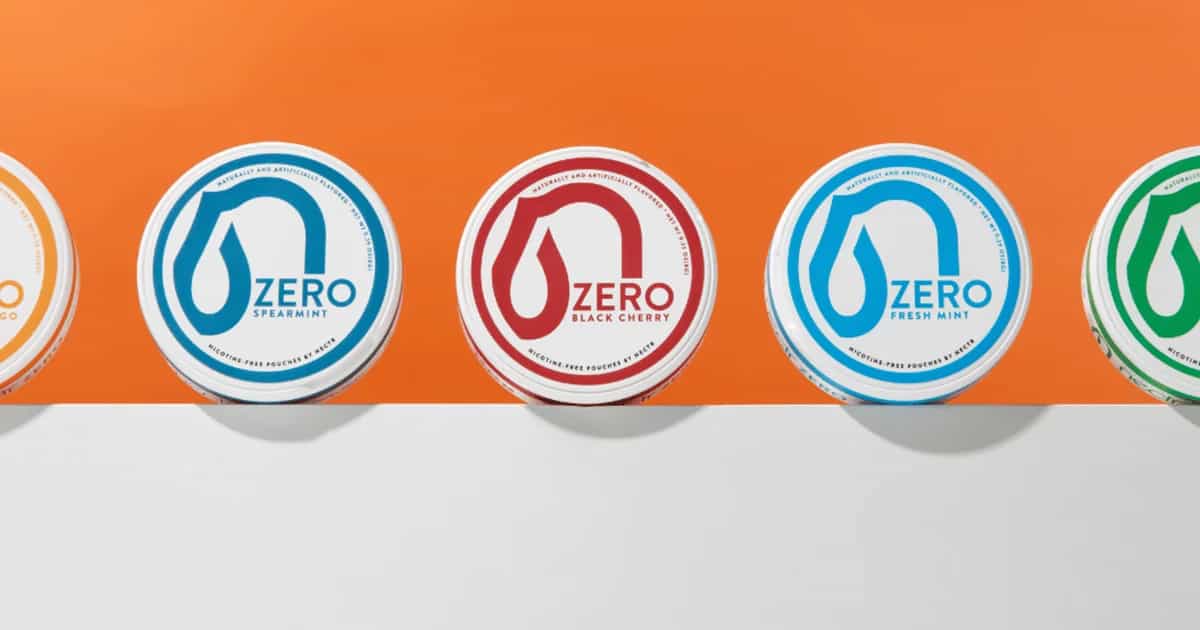
Zero Pouches
View All →


- Caffeine pouches contain zero nicotine and zero tobacco — they deliver caffeine and sometimes nootropics like Cognizin® Citicoline.
- Nicotine pouches contain 3-12 mg of synthetic or tobacco-derived nicotine, which is highly addictive.
- Caffeine creates mild physical dependence at most; nicotine creates strong physical and psychological addiction.
- Both use sublingual absorption for fast onset, but the substances and their long-term health implications are drastically different.
- Caffeine pouches like Nectr are designed as functional energy tools, not nicotine replacement therapy — though many ex-nicotine users find them helpful for maintaining the oral ritual.
Side-by-Side Comparison
| Factor | Caffeine Pouches (Nectr) | Nicotine Pouches (Zyn, etc.) |
|---|---|---|
| Active ingredient | Caffeine (30-50 mg) | Nicotine (3-12 mg) |
| Addiction potential | Low (mild caffeine dependence) | High (strong physical + psychological) |
| Tobacco content | Zero | Zero (synthetic nicotine) or tobacco-derived |
| Sugar | Zero | Zero |
| Functional benefit | Energy, alertness, focus (with nootropics) | Stimulation, temporary stress relief |
| Withdrawal symptoms | Mild (headache, fatigue for 1-3 days) | Severe (irritability, cravings, anxiety, insomnia for weeks) |
| Cardiovascular effects | Mild, temporary HR increase | Elevated HR + blood pressure, vascular constriction |
| FDA regulation | Ingredients are GRAS (Generally Recognized as Safe) | Regulated as tobacco products by FDA |
| Age restriction | Recommended 18+ (not federally mandated) | 21+ (federal law) |
| Nootropic options | Yes (Cognizin® Citicoline in Focus line) | No |
How Do They Differ in Addiction Potential?
This is the most important distinction, and it is not even close. Nicotine is one of the most addictive substances known — the National Institute on Drug Abuse rates it alongside heroin and cocaine for dependence potential. Nicotine triggers a rapid dopamine release in the brain's reward pathway, creating a reinforcement loop that makes your brain crave repeated use. Within weeks of regular use, physical dependency forms. Quitting produces withdrawal symptoms including intense cravings, irritability, anxiety, difficulty concentrating, and insomnia that can persist for weeks or months.
Caffeine, by contrast, works primarily through adenosine receptor blockade — a different mechanism that does not hijack the dopamine reward system in the same way. Regular caffeine consumers can develop mild physical dependence (withdrawal may include headache and fatigue for 1-3 days), but the compulsive craving cycle characteristic of nicotine addiction does not occur. Most people can stop caffeine without significant difficulty.
The Diagnostic and Statistical Manual of Mental Disorders (DSM-5) includes "caffeine withdrawal" as a recognized condition but notably does not classify caffeine use as a substance use disorder — unlike nicotine, which is explicitly categorized as one.
What Are the Health Differences?
Both substances are stimulants, but their health profiles diverge significantly:
Nicotine constricts blood vessels, raises blood pressure and heart rate, and has been linked to cardiovascular disease risk with long-term use. While nicotine pouches are considered less harmful than smoking (no combustion, no tar, no carbon monoxide), nicotine itself is not benign — it affects wound healing, reproductive health, and may promote tumor growth in certain contexts (Grando, 2014).
Caffeine at moderate doses (up to 400 mg/day per FDA guidelines) is associated with a generally positive health profile. Meta-analyses have linked moderate caffeine consumption to reduced risk of type 2 diabetes, Parkinson's disease, and certain liver conditions (Poole et al., 2017, BMJ). The temporary cardiovascular effects (mild heart rate increase, slight blood pressure elevation) normalize quickly and are not associated with long-term cardiovascular risk at recommended doses.
Can Caffeine Pouches Help People Quit Nicotine?
Caffeine pouches are not marketed as nicotine replacement therapy and should not be treated as medical cessation devices. However, many people who are quitting nicotine pouches have found that switching to caffeine pouches helps address the behavioral and oral fixation components of nicotine use — the hand-to-mouth ritual, the physical sensation of having a pouch in place, and the routine of reaching for a can throughout the day.
If you are currently using nicotine pouches and want to transition, a common approach is:
- Start by substituting one or two nicotine pouches per day with caffeine pouches while keeping the rest nicotine.
- Gradually increase the caffeine-to-nicotine ratio over several weeks.
- Once you are fully switched to caffeine, you can taper caffeine intake if desired, or switch to Nectr Zero for the ritual without any stimulant.
Consult a healthcare professional for personalized cessation guidance, especially if you have been using high-strength nicotine products.
Frequently Asked Questions
Do caffeine pouches feel the same as nicotine pouches?
The physical format is identical — same size, same placement, same oral sensation. You get a mild tingle as the ingredients absorb, though the "buzz" is different. Nicotine produces a rapid dopamine rush and slight lightheadedness. Caffeine produces a more gradual alertness and mental clarity without the head-rush effect.
Are caffeine pouches legal everywhere nicotine pouches are?
In general, caffeine pouches face fewer legal restrictions than nicotine pouches because they do not contain tobacco products or nicotine. Nicotine pouches are federally restricted to ages 21+ in the United States, while caffeine pouches do not fall under tobacco product regulation. However, age requirements may vary by retailer and jurisdiction.
Can I use both caffeine and nicotine pouches?
Using both simultaneously is not recommended. Both caffeine and nicotine are stimulants, and combining them can amplify cardiovascular effects (elevated heart rate and blood pressure). If you currently use nicotine pouches and want the functional benefits of caffeine, transitioning from nicotine to caffeine pouches is a better long-term approach.
Which is more expensive — caffeine or nicotine pouches?
Pricing is comparable at the individual can level, with both typically ranging from $4-8 per can. However, Nectr's Bundle Builder offers 10% off at 10 cans and 15% off at 15 cans, and subscription orders save 35% on the first delivery — making caffeine pouches more economical for daily users who buy in bulk.