
Caffeine Pills vs Coffee vs Pouches: Which Delivers Better Focus?
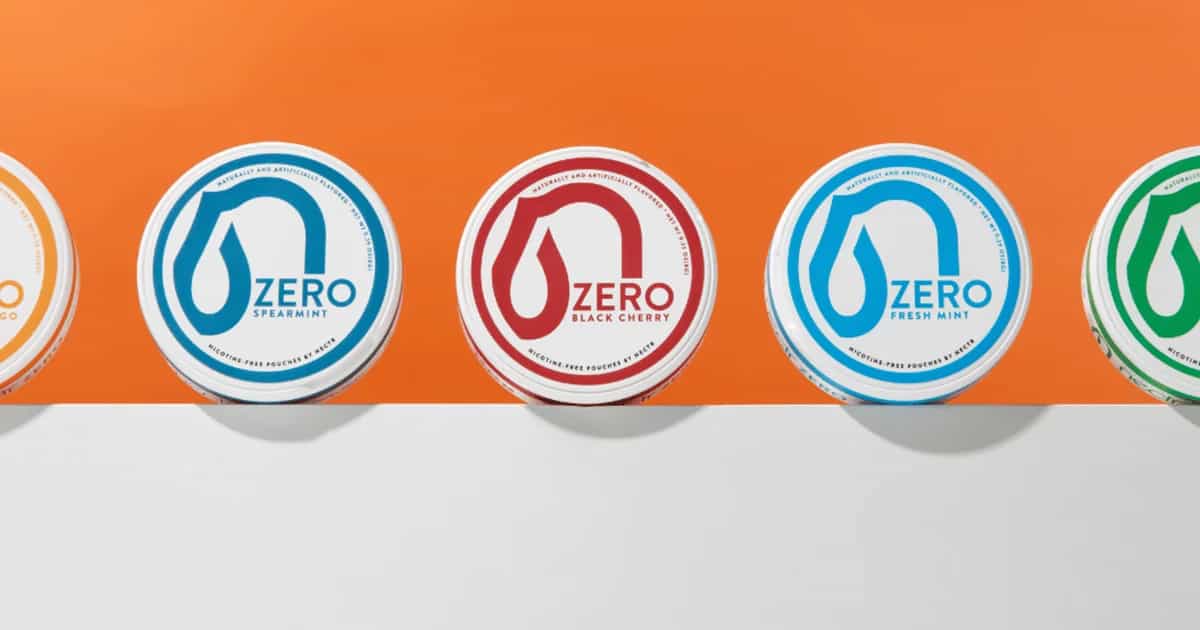
Short answer: Caffeine pouches deliver focus faster (5–10 min via sublingual absorption vs. 30–60 min for pills and 20–45 min for coffee), with more precise dosing, no crash curve, no teeth staining, and no GI side effects. Coffee offers antioxidants and a ritual. Pills are cheapest per mg. The best choice depends on your priority: speed and precision (pouches), cost (pills), or taste and ritual (coffee).
The Science of Caffeine Delivery
Focus Pouches
View All →


Not all caffeine is created equal — or more accurately, not all caffeine delivery is created equal. The same 50 mg of caffeine produces different effects depending on how it enters your bloodstream.
Gastric Absorption (Coffee and Pills)
Both coffee and caffeine pills are swallowed and absorbed through the gastrointestinal tract. Caffeine must survive stomach acid, pass through the intestinal lining, enter the portal vein, and undergo first-pass metabolism in the liver before reaching systemic circulation. This takes 20–60 minutes and reduces bioavailability slightly.
Sublingual/Buccal Absorption (Pouches)
Caffeine pouches sit between the lip and gum, delivering caffeine through the oral mucosa — a thin, highly vascularized membrane. This bypasses the digestive system entirely. The caffeine enters the bloodstream directly, reaching peak plasma levels in 5–15 minutes. Sublingual absorption also avoids first-pass liver metabolism, resulting in higher effective bioavailability.
Head-to-Head Comparison
| Factor | Caffeine Pills | Coffee | Caffeine Pouches |
|---|---|---|---|
| Absorption route | Gastric | Gastric | Sublingual/buccal |
| Time to peak effect | 30–60 min | 20–45 min | 5–15 min |
| Dosing precision | Exact (per pill) | Variable (±30%) | Exact (per pouch) |
| Typical dose | 100–200 mg | 80–120 mg (varies) | 30–50 mg |
| Bioavailability | ~99% (oral) | ~99% (oral) | ~99% (sublingual) |
| First-pass metabolism | Yes | Yes | Partially bypassed |
| GI side effects | Possible (stomach) | Common (acid reflux) | None (no ingestion) |
| Teeth staining | None | Yes (tannins) | None |
| Preparation time | 5 seconds | 2–10 minutes | 2 seconds |
| Portability | High | Low (liquid) | Highest (pocket-sized tin) |
| Cost per 50 mg caffeine | $0.03–0.05 | $0.25–2.50 | $0.75–1.00 |
| Additional benefits | None | Antioxidants, polyphenols | Nootropics (Cognizin® in Focus) |
| Crash potential | Moderate (large dose) | Moderate (variable dose) | Low (precise, smaller doses) |
| Social/ritual value | None | High | Moderate |
| Calorie content | 0 | 2–300+ (depends on additions) | 0–5 |
| Use during meetings | Discreet | Normal | Discreet |
Absorption Speed: Why It Matters for Focus
The speed of caffeine absorption directly affects how you experience the focus boost:
- Slow absorption (pills, 30–60 min): Gradual onset. By the time you feel it, you may have already started your work session unfocused. Risk of redosing before the first dose kicks in.
- Medium absorption (coffee, 20–45 min): Slightly faster, but highly variable based on food in your stomach, brew method, and individual metabolism.
- Fast absorption (pouches, 5–15 min): Near-immediate effect. You tuck a pouch, and within minutes you feel sharper. This makes on-demand dosing practical — you can time your caffeine to match your work blocks precisely.
The Crash Factor
Caffeine crashes happen when plasma caffeine drops rapidly after a peak. Two factors determine crash severity:
- Dose size: Higher doses create higher peaks and steeper drops. A 200 mg caffeine pill creates a much higher peak than a 50 mg pouch.
- Absorption speed variation: Coffee's highly variable absorption (affected by milk, food, brew strength) creates unpredictable peaks and crashes.
Caffeine pouches minimize crashes through smaller, precise doses. Instead of one 200 mg spike from a pill, you can use four 50 mg pouches spread throughout the day — maintaining a steady-state caffeine level without the peaks and valleys.
Coffee's Unique Advantage: Antioxidants
Coffee contains over 1,000 bioactive compounds beyond caffeine — chlorogenic acids, polyphenols, and other antioxidants linked to reduced risk of type 2 diabetes, Parkinson's disease, and certain cancers. Neither pills nor pouches provide these compounds. If antioxidants are a priority, coffee has a clear edge. However, you can get similar polyphenols from green tea, berries, and dark chocolate.
Pouches' Unique Advantage: Nootropic Stacking
Caffeine pills are just caffeine. Coffee is just coffee. But Nectr Focus Pouches combine caffeine with Cognizin® Citicoline — a clinically studied nootropic that enhances attention through acetylcholine and dopamine pathways. This means you're not just getting alertness (caffeine), you're getting sustained attention and focus (citicoline). It's a two-mechanism approach in one product.
Cost Analysis
Cost varies dramatically depending on your source and consumption level:
| Method | Cost per serving | Caffeine per serving | Cost per 200 mg caffeine | Monthly cost (200 mg/day) |
|---|---|---|---|---|
| Caffeine pills (bulk) | $0.05–0.10 | 200 mg | $0.05–0.10 | $1.50–3.00 |
| Home-brewed coffee | $0.25–0.75 | ~95 mg | $0.50–1.50 | $15–45 |
| Coffee shop | $3.00–6.00 | ~150 mg | $4.00–8.00 | $90–180 |
| Nectr Energy Pouches | $0.75–1.00 | 50 mg | $3.00–4.00 | $90–120 |
| Nectr Focus Pouches | $0.75–1.00 | 30 mg + Cognizin® | $5.00–6.50* | $90–120 |
*Focus Pouch cost per 200 mg caffeine is misleading because the value includes Cognizin® Citicoline, which would cost $25–40/month purchased separately.
If pure cost-per-mg is your only priority, bulk caffeine pills win. But they offer zero additional benefits — no nootropics, no convenience, no ritual, no taste.
Which Should You Choose?
Choose Caffeine Pills If:
- You want the absolute lowest cost per mg
- You don't mind waiting 30–60 minutes for effect
- You're comfortable with fixed 100–200 mg doses
- You have no GI sensitivity
Choose Coffee If:
- You value the ritual, taste, and social aspect
- You want antioxidant benefits
- You're drinking at home or near a kitchen
- Variable dosing doesn't bother you
Choose Caffeine Pouches If:
- You need on-demand focus with fast onset
- Precise dosing matters (tracking intake, avoiding overconsumption)
- You want added nootropics (Focus Pouches with Cognizin®)
- You're tired of coffee acid reflux or teeth staining
- You need portability (gym, commute, meetings, travel)
Nectr Energy Pouches (50 mg caffeine) or Focus Pouches (30 mg + Cognizin®) — sublingual delivery in 5 minutes. Build a bundle and save up to 35% on your first order, then 25%.
Frequently Asked Questions
Are caffeine pouches stronger than coffee?
Per serving, no — a Nectr Energy Pouch contains 50 mg caffeine vs. ~95 mg in a cup of coffee. However, the sublingual delivery means the caffeine hits faster and with less variability. You feel 50 mg from a pouch more quickly and predictably than 95 mg from coffee. You can also easily use 2 pouches (100 mg) for a coffee-equivalent dose.
How fast do caffeine pouches work vs. pills?
Caffeine pouches reach peak plasma levels in 5–15 minutes through sublingual absorption. Caffeine pills take 30–60 minutes because they must pass through the entire digestive tract. That's a 3–6x speed difference — significant when you need to focus now rather than in half an hour.
Which method is cheapest?
Bulk caffeine pills are the cheapest at $0.03–0.10 per 200 mg dose. Home-brewed coffee is next at $0.25–0.75 per cup. Pouches cost more per mg of caffeine, but Focus Pouches include Cognizin® Citicoline — a nootropic that would cost $25–40/month separately. When you factor in the added nootropic, the effective cost difference narrows significantly.
Can you overdose on caffeine pouches?
Caffeine toxicity occurs at roughly 1,200 mg in a short period (less common with gradual intake throughout the day). With Nectr Energy Pouches at 50 mg each, you'd need to use 24 pouches rapidly — which is far beyond normal use. The precise dosing of pouches actually makes overdose less likely than with caffeine pills (where accidentally taking 3 pills = 600 mg) or extra-large coffees (where a venti can contain 400+ mg).
Do caffeine pouches stain teeth?
No. Teeth staining from coffee is caused by tannins and chromogens — dark-colored polyphenolic compounds that bind to tooth enamel. Caffeine itself is colorless and does not stain teeth. Nectr pouches contain no tannins, no chromogens, and no dark pigments. They're placed between the lip and gum with no contact with the front teeth surface.
Can I switch between methods?
Absolutely. Many people use coffee at home in the morning (for the ritual), pouches during work hours (for on-demand precision), and skip caffeine entirely in the evening. The methods aren't mutually exclusive. Just track your total daily intake — the FDA recommends staying under 400 mg total from all sources.