Best Nootropic Drinks and Pouches in 2026
The nootropic drinks and pouches market has grown rapidly, but most products in the category rely on caffeine and marketing rather than clinically studied cognitive enhancers. A genuine nootropic product should contain at least one ingredient with published evidence for improving brain function — not just a stimulant dressed in "brain boost" branding. We evaluated the top options in 2026 across drinks and pouches, comparing them on ingredient quality, clinical evidence, convenience, and value.
Key Takeaways
Focus Pouches
View All →


- Most "nootropic drinks" are energy drinks with extra marketing — look for clinically studied ingredients like Cognizin® Citicoline.
- Pouches offer faster onset, zero sugar, and better portability than canned drinks.
- Caffeine alone is a stimulant, not a nootropic — real nootropic products include cognitive enhancers beyond caffeine.
- Nectr Focus Pouches stand out for combining Cognizin® with low-dose caffeine in a sublingual format.
- Ingredient transparency (no proprietary blends) is the number-one thing to look for.
Nootropic Drinks vs Nootropic Pouches: Format Comparison
Before comparing specific brands, it is worth understanding the fundamental differences between the two dominant formats in the nootropic space:
| Factor | Nootropic Drinks (Cans/Bottles) | Nootropic Pouches |
|---|---|---|
| Absorption speed | 20-45 minutes (digestive tract) | 10-15 minutes (sublingual) |
| Sugar content | Often 15-40g per can (or artificial sweeteners) | Zero sugar |
| Portability | Bulky, requires refrigeration for taste | Pocket-sized, no refrigeration needed |
| Calorie content | 0-200 calories depending on sugar | Near zero calories |
| Hands-free use | No (must hold/sip) | Yes (place and forget) |
| Typical price per serving | $3-5 per can | $1-2 per pouch |
| Ingredient bioavailability | Moderate (first-pass metabolism) | High (bypasses digestive tract) |
Top Nootropic Products Ranked for 2026
We evaluated products based on five criteria: (1) presence of clinically studied nootropic ingredients, (2) caffeine dosage and source, (3) transparency of labeling, (4) format and convenience, and (5) overall value.
1. Nectr Focus Pouches
Key ingredients: 62.5 mg Cognizin® Citicoline + 30 mg caffeine per pouch
Format: Sublingual pouch | Sugar: Zero | Nicotine: Zero
Why it ranks first: Nectr is one of the only products in this space using a branded, clinically studied nootropic (Cognizin®) at a transparent dose. The sublingual format delivers faster onset than any drink. The 30 mg caffeine is enough for alertness without the jitters you get from 200 mg cans. GMP-certified and manufactured in Sweden. Available at nectr.energy.
2. ONNIT Alpha Brain Instant
Key ingredients: Alpha-GPC, Huperzia Serrata, Bacopa Monnieri
Format: Powder (mix with water) | Sugar: Low
Why it ranks here: Alpha Brain has brand recognition and uses some interesting ingredients. The downside is a proprietary "Flow Blend" and "Focus Blend" that do not disclose individual ingredient amounts. You cannot verify if each compound is at an effective dose.
3. Mud/Wtr (Mushroom-Based Focus)
Key ingredients: Lion's mane, chaga, reishi, cacao
Format: Powder (mix with water) | Sugar: Zero | Caffeine: ~35 mg
Why it ranks here: Mud/Wtr offers a genuine coffee alternative with functional mushrooms. Lion's mane has emerging evidence for nerve growth factor (NGF) support. However, the evidence base is less mature than citicoline, and preparation requires mixing — less convenient than a pouch or ready-to-drink can.
4. Koios Nootropic Beverages
Key ingredients: MCT oil, lion's mane, various nootropics
Format: Canned drink | Sugar: Varies
Why it ranks here: Koios uses a wide ingredient spread with some interesting nootropics, but the kitchen-sink approach makes it hard to evaluate which compounds are at effective doses. Available in many retailers, making it accessible.
5. Brite Drinks
Key ingredients: Cognizin®, green tea extract
Format: Canned drink | Sugar: Low
Why it ranks here: Brite deserves credit for using Cognizin® in a beverage format. The trade-off is the drink format itself — bulkier, more expensive per serving, and slower absorption through the digestive tract compared to sublingual pouches.
What to Look for in a Nootropic Product
Regardless of format, these are the quality signals that separate real nootropic products from caffeinated marketing:
- Named, clinically studied ingredients: Cognizin®, branded lion's mane extracts, or well-researched compounds at disclosed doses.
- No proprietary blends: If individual ingredient amounts are hidden, assume they are underdosed.
- Reasonable caffeine: Under 100 mg per serving. High caffeine is masking a lack of actual nootropics.
- Third-party testing or GMP certification: Manufacturing quality directly affects ingredient integrity.
- No nicotine, no tobacco, no excess sugar: These are not cognitive enhancers — they are liabilities.
Why Pouches Are the Future of Nootropic Delivery
The canned drink format has dominated the functional beverage space, but pouches are gaining share for practical reasons. You do not need to carry a can. You do not need a cooler. You do not need to chug 12 ounces of liquid before a meeting. A pouch goes in, your hands stay free, and the sublingual delivery gets ingredients into your bloodstream in 10-15 minutes — before a drink would even clear your stomach.
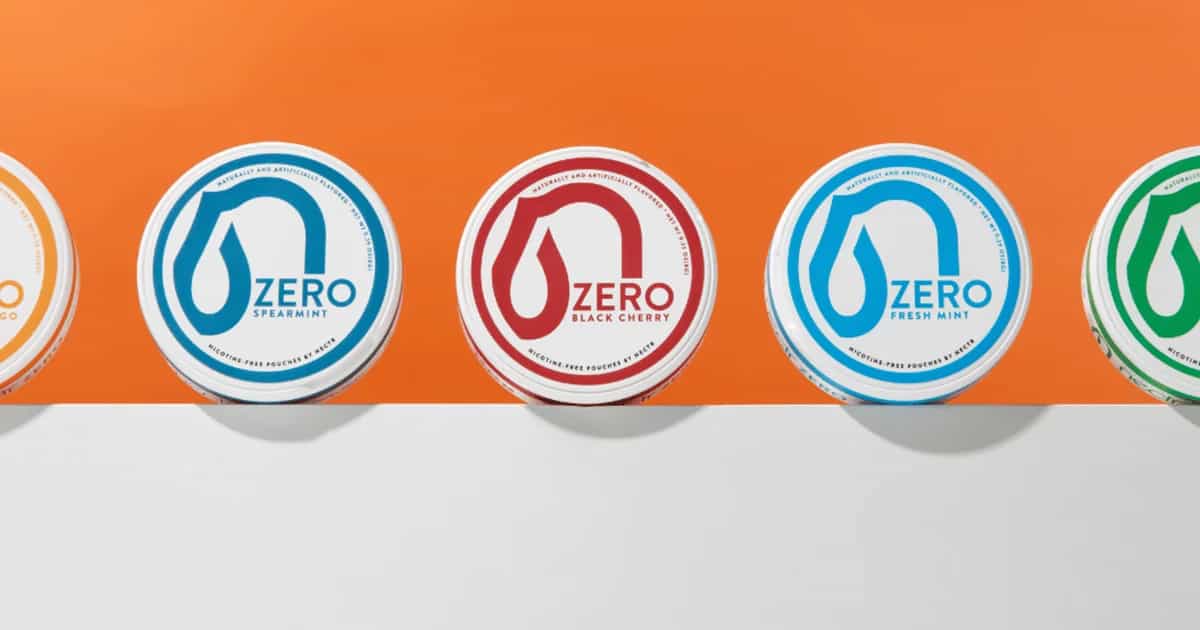
For people who rotate between focus needs throughout the day, building a custom Nectr bundle with Focus pouches for deep work, Energy pouches for a clean caffeine boost, and Zero pouches for evening use gives you a complete daily toolkit in a pocket-sized can.
The Ingredient Transparency Problem
One of the biggest issues in the nootropic drinks category is ingredient transparency. Many brands list impressive-sounding blends on their labels — "NeuroFuel Complex" or "Brain Power Matrix" — without disclosing how much of each individual ingredient is included. This is legal under FDA labeling rules for proprietary blends, but it makes it impossible for consumers to evaluate whether they are getting effective doses.
Consider this: if a product lists "Focus Blend 500 mg" containing citicoline, alpha-GPC, lion's mane, and Bacopa, the entire blend could be 400 mg of the cheapest ingredient and 25 mg of each nootropic. That is not a focus stack — it is a marketing stack. The best nootropic products, whether drinks or pouches, list every active ingredient with its exact dosage. Nectr Focus Pouches list 62.5 mg of Cognizin® Citicoline and 30 mg of caffeine per pouch — no blends, no ambiguity.
Frequently Asked Questions
Are nootropic drinks just energy drinks?
Most of them, yes. If the primary active ingredient is caffeine at 150+ mg and everything else is trace amounts, you are drinking an energy drink with a premium label. Genuine nootropic products include clinically studied cognitive enhancers — like citicoline, lion's mane, or alpha-GPC — at effective doses alongside moderate or no caffeine.
How do nootropic pouches compare to nootropic pills?
Pouches offer faster onset (10-15 minutes vs 30-60 minutes for pills) because sublingual absorption bypasses the digestive tract. They are also more portable and do not require water. Pills may offer higher doses per serving, but lower bioavailability partially offsets this advantage.
What is the best nootropic for studying?
Citicoline (Cognizin®) paired with low-dose caffeine is the most evidence-supported combination for sustained attention during study sessions. Nectr Focus Pouches deliver this stack in a convenient, sugar-free, nicotine-free format.