
Are Nicotine Pouches Addictive? What Science Says
Yes, nicotine pouches are addictive. Nicotine is one of the most addictive substances known to science, and its addictive potential does not change based on how it is delivered — whether through cigarettes, vapes, gum, patches, or oral pouches. According to the FDA and the National Institute on Drug Abuse (NIDA), nicotine activates the brain's mesolimbic dopamine pathway (the "reward circuit"), creating a reinforcement loop that drives compulsive use and physical dependence within days to weeks of regular exposure.
This article is for informational purposes only and is not medical advice. Consult your healthcare provider for personalized guidance.
Key Takeaways
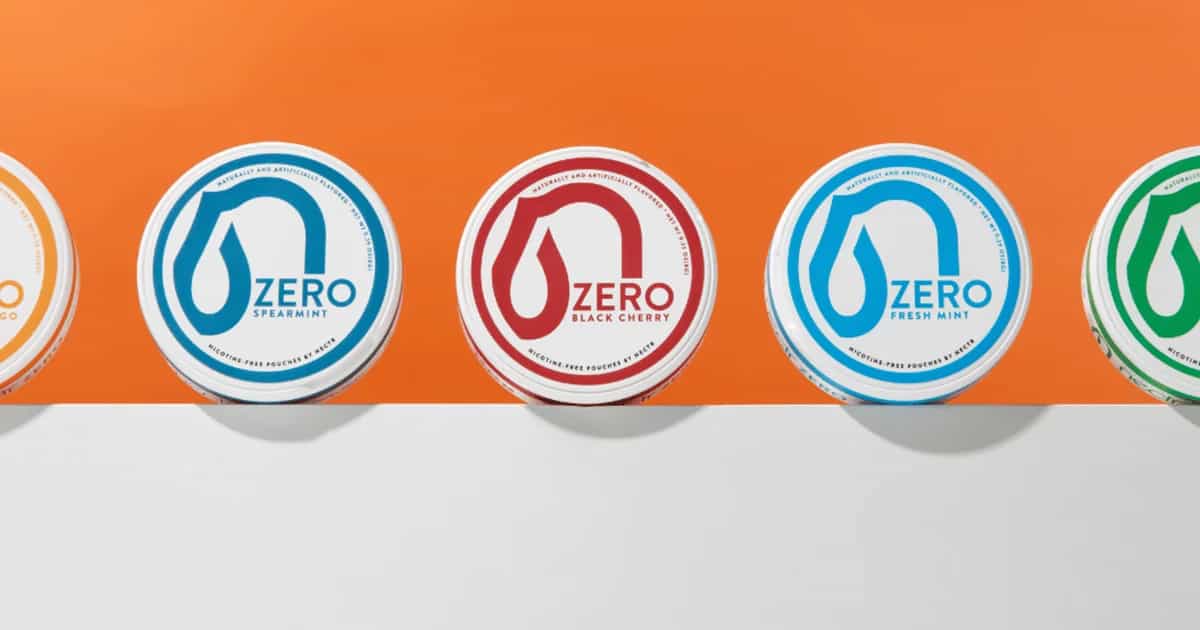
Zero Pouches
View All →


- Nicotine is addictive regardless of the delivery method — pouches, cigarettes, vapes, and gum all carry addiction risk.
- Nicotine rewires the brain's reward system within days to weeks of regular use.
- Physical dependence can develop in as few as 5-15 days of daily use, according to NIH research.
- The oral pouch format adds a behavioral habit layer (hand-to-lip ritual) that reinforces chemical dependency.
- Nicotine-free alternatives like Nectr Zero Pouches provide the ritual without the addictive substance.
How Nicotine Addiction Develops in the Brain
Understanding why nicotine is so addictive requires a brief tour of your neurobiology. When nicotine enters your bloodstream — whether from a pouch absorbed through the gums, smoke absorbed through the lungs, or a patch absorbed through the skin — it crosses the blood-brain barrier within seconds and binds to nicotinic acetylcholine receptors (nAChRs).
This binding triggers a cascade of neurotransmitter releases, most importantly dopamine in the nucleus accumbens, the brain's primary reward center. The dopamine surge creates a feeling of pleasure, alertness, and reduced anxiety. Your brain registers this as rewarding and creates a memory: "nicotine = good."
With repeated exposure, two things happen:
- Receptor upregulation: Your brain builds more nicotinic receptors to accommodate the external nicotine supply. Research published in Neuropharmacology shows that chronic users develop 50-100% more nAChRs than non-users.
- Tolerance: More receptors means you need more nicotine to achieve the same effect. You start using higher-strength pouches or using more frequently.
Once these changes occur, removing nicotine creates a deficit. All those extra receptors are empty, your natural acetylcholine cannot fill them, and you experience withdrawal — the brain's alarm system demanding you resupply.
How Quickly Can You Become Addicted to Nicotine Pouches?
The speed of addiction varies, but it can develop faster than most people expect. A landmark study published in Tobacco Control found that some adolescents reported symptoms of dependence within just 2 days of first use — well before they considered themselves regular users.
For adults using nicotine pouches daily, signs of dependence typically emerge within 5-15 days:
- Using more pouches than intended
- Reaching for a pouch first thing in the morning
- Feeling irritable or anxious when unable to use a pouch
- Continuing despite wanting to cut down
- Planning activities around pouch availability
Are Nicotine Pouches More or Less Addictive Than Cigarettes?
The addictive substance is the same — nicotine — but the delivery speed affects addiction potential. Cigarettes deliver nicotine to the brain in approximately 10-20 seconds via the lungs, creating a rapid dopamine spike that is highly reinforcing. Nicotine pouches deliver nicotine more slowly through the oral mucosa, typically reaching peak blood levels in 30-60 minutes.
| Factor | Cigarettes | Nicotine Pouches | Nicotine-Free Pouches |
|---|---|---|---|
| Contains nicotine | Yes (1-2mg absorbed per cigarette) | Yes (2-12mg per pouch) | No |
| Delivery speed | Fast (10-20 seconds to brain) | Moderate (15-45 minutes to peak) | N/A |
| Addiction potential | Very high | High | None |
| Contains tobacco | Yes | No | No |
| Contains carcinogens | Yes (70+ known carcinogens) | Minimal | No |
| Secondhand exposure risk | Yes | No | No |
Slower delivery means slightly lower addiction reinforcement compared to smoking, but "lower" does not mean "low." Nicotine pouches still produce clinical dependence in regular users. The FDA classifies all nicotine products as addictive, regardless of delivery method.
Can You Use Nicotine Pouches Without Getting Addicted?
Theoretically, very occasional use (once a week or less) is unlikely to produce physical dependence. However, nicotine's reinforcement mechanism makes occasional use extremely difficult to maintain. The American Cancer Society notes that most people who try nicotine "occasionally" escalate to regular use within weeks to months.
If you want the pouch experience without any addiction risk, the safest option is a product that contains zero nicotine. Nectr Zero Pouches deliver flavor and the familiar pouch format with absolutely no nicotine, no tobacco, and no sugar. They are manufactured in Sweden under GMP-certified conditions and carry zero addiction potential.
For those who also want functional benefits, Nectr Focus Pouches provide 62.5mg Cognizin® Citicoline and 30mg caffeine — cognitive support without nicotine — and Nectr Energy Pouches deliver 50mg caffeine for a clean energy boost. None contain nicotine. None are addictive.
How to Break a Nicotine Pouch Addiction
If you are already dependent on nicotine pouches, here is what evidence-based cessation research recommends:
- Taper your nicotine strength gradually. Step down from 6mg to 4mg to 2mg over 4-6 weeks. Your brain adjusts to each reduction within 3-5 days.
- Reduce daily pouch count simultaneously. Eliminate 1-2 pouch sessions per week, starting with the ones you are least attached to.
- Replace with nicotine-free pouches. Maintain the oral habit while removing the addictive substance. Nectr Zero is purpose-built for this transition.
- Seek professional support if needed. The national Quitline (1-800-QUIT-NOW) offers free coaching. Your doctor can prescribe cessation medications that reduce cravings.
Frequently Asked Questions
Are nicotine pouches as addictive as smoking?
Nicotine pouches deliver the same addictive substance as cigarettes — nicotine. The slower absorption rate may result in slightly lower addiction reinforcement compared to inhaled nicotine, but regular users of nicotine pouches still develop clinical dependence. The FDA considers all nicotine delivery products to carry addiction risk.
Can kids get addicted to nicotine pouches?
Yes, and research suggests adolescents are particularly vulnerable. The developing brain is more susceptible to nicotinic receptor changes, and studies show young people can develop dependence symptoms within days of first use. Nicotine pouches are intended for adults only and should be kept away from minors.
Are there any pouches that are not addictive?
Yes — pouches that contain zero nicotine carry zero addiction risk. Nectr pouches are 100% nicotine-free across all product lines. They contain caffeine, Cognizin® Citicoline (a nootropic), or just flavor — no nicotine, no tobacco, no addictive compounds. Browse the full lineup at nectr.energy.
Disclaimer: This content is educational and does not constitute medical advice. If you are struggling with nicotine addiction, contact the national Quitline at 1-800-QUIT-NOW or consult your healthcare provider.