
Nicotine Withdrawal Symptoms: Day-by-Day Timeline
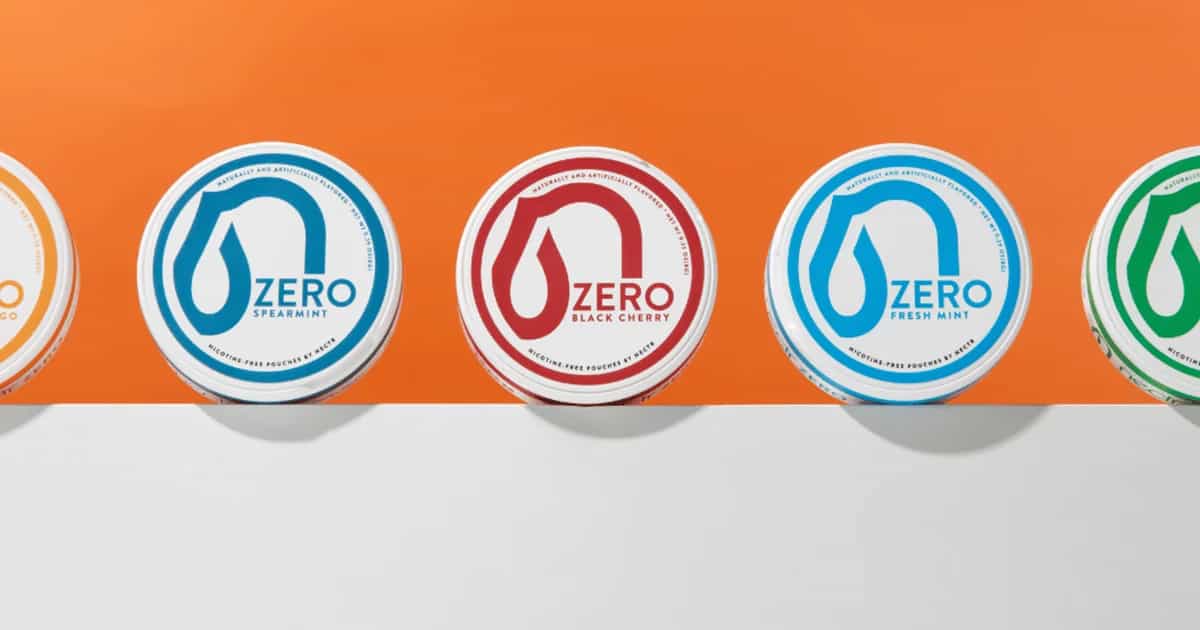
Short answer: Nicotine withdrawal symptoms typically begin within 4-24 hours of your last dose, peak between days 3-5, and significantly improve within 2-4 weeks. Common symptoms include intense cravings, irritability, anxiety, headaches, difficulty concentrating, insomnia, and increased appetite. Oral fixation replacements like Nectr Zero pouches can help manage the behavioral component of withdrawal.
How Nicotine Withdrawal Works
Nicotine binds to acetylcholine receptors in your brain, triggering dopamine release in the reward center. With regular use, your brain upregulates these receptors — it creates more of them to accommodate the constant nicotine supply. When you stop, those extra receptors are starving for stimulation, and your baseline dopamine levels drop below normal. This neurochemical imbalance is what causes withdrawal symptoms.
The good news: your brain is remarkably adaptable. It begins downregulating those extra receptors within days, and most people return to neurochemical baseline within 1-3 months. The symptoms feel terrible, but they are signs that your brain is healing.
Day-by-Day Withdrawal Timeline
Hours 1-12: The Quiet Before the Storm
Most people do not notice much in the first half-day. Nicotine has a half-life of about 2 hours, so it is still clearing your system. You may notice mild restlessness or an urge to reach for your vape or pouch out of habit. This is more behavioral than chemical at this point.
Common symptoms: Mild cravings, slight anxiety, habitual reaching for your device.
What helps: Stay occupied. This is the easiest phase — use it to build momentum.
Hours 12-24: Withdrawal Begins
By the end of day one, nicotine levels in your blood have dropped by over 90%. Your brain notices. Cravings become more insistent, and you may experience the first physical symptoms: headache, irritability, and difficulty focusing.
Common symptoms: Growing cravings, headache, irritability, restlessness, trouble concentrating.
What helps: Drink plenty of water (dehydration amplifies symptoms). Light exercise. Have oral substitutes ready — gum, mints, or nicotine-free pouches.
Day 2: Intensity Increases
The second day is when most quitters first consider giving up. Cravings come in strong waves, often triggered by routine situations — morning coffee, after meals, work breaks. Your brain is actively protesting the absence of nicotine. Headaches may persist, and you might notice increased anxiety or a short temper.
Common symptoms: Strong cravings (waves lasting 3-5 minutes), persistent headache, anxiety, irritability, brain fog, possible tingling in hands and feet (improved circulation).
What helps: Remember that each craving wave peaks and passes. Cold water, deep breathing, physical movement. Avoid alcohol — it lowers inhibitions and dramatically increases relapse risk.
Day 3: The Peak
For most people, day 3 is the hardest. Nicotine is now completely cleared from your body, and withdrawal symptoms hit their maximum intensity. The good news: once you get through this day, you have passed the worst of the physical withdrawal.
Common symptoms: Peak cravings, headache, nausea, abdominal cramping, sweating, emotional volatility (anger, sadness, frustration), severe difficulty concentrating, insomnia.
What helps: This is survival mode. Cancel obligations if you can. Exercise vigorously. Call a supportive friend. Use every coping tool in your arsenal. Each hour you get through is a victory.
Days 4-7: Turning the Corner
After day 3, symptoms begin to gradually improve. Cravings become less frequent and less intense, though they can still catch you off guard. Appetite often increases as your body's metabolism adjusts. You may notice food tastes better — nicotine dulls taste buds, and they are beginning to recover.
Common symptoms: Less frequent cravings, lingering brain fog, increased appetite, possible constipation or digestive changes, improving but still disrupted sleep.
What helps: Establish new routines. Healthy snacking (fruit, nuts, vegetables) manages appetite changes. Continue exercise. Start noticing the improvements — taste, smell, breathing.
Weeks 2-3: Rebuilding
Physical symptoms are mostly gone. Cravings are now triggered by situations and emotions rather than neurochemistry. You may experience occasional strong cravings out of nowhere — these are normal. Your brain is still remapping neural pathways.
Common symptoms: Occasional cravings (especially in trigger situations), mild mood swings, improved but not yet normal concentration, possible weight gain (typically 5-10 lbs).
What helps: Identify and plan for trigger situations. Start building the identity of a non-nicotine user. Oral fixation substitutes like Nectr Zero remain valuable for trigger moments.
Week 4 and Beyond: The New Normal
By week 4, most physical withdrawal symptoms have resolved. Your brain is downregulating the excess nicotinic receptors, and baseline dopamine function is returning to normal. Cravings may still occur, especially during high-stress moments or when you encounter strong sensory triggers (smelling someone else's smoke, seeing someone vape), but they are manageable.
Common symptoms: Rare cravings, normalized sleep, improved concentration and energy, possible lingering weight changes.
What helps: Celebrate your progress. Stay vigilant around alcohol and high-stress situations. The "just one" temptation is a trap — one hit reactivates the entire dependency cycle.
Physical vs. Psychological Symptoms
| Physical Symptoms | Duration | Psychological Symptoms | Duration |
|---|---|---|---|
| Headaches | 1-7 days | Cravings | Weeks to months (decreasing) |
| Nausea | 1-3 days | Irritability/anger | 2-4 weeks |
| Tingling/numbness | 1-3 days | Anxiety | 2-4 weeks |
| Sweating | 1-5 days | Difficulty concentrating | 1-3 weeks |
| Constipation | 1-2 weeks | Depression/low mood | 2-4 weeks |
| Increased appetite | Weeks to months | Insomnia | 1-2 weeks |
| Coughing (vapers) | 1-4 weeks | Restlessness | 1-2 weeks |
Coping Strategies That Actually Work
For Cravings
Oral substitutes are among the most effective craving management tools. Nectr Zero pouches provide the familiar sensation of a pouch between lip and gum without any nicotine or stimulant. For former vapers, having something in your mouth satisfies the deeply conditioned oral fixation. Cold water, crunchy foods, and deep breathing also help interrupt craving cycles.
For Anxiety and Irritability
Exercise is the single most effective intervention for withdrawal-related anxiety. Even a 10-minute walk reduces anxiety for up to an hour. Box breathing (4-4-4-4 pattern) activates the parasympathetic nervous system. Magnesium supplementation may help — many people are deficient, and it supports GABA production.
For Brain Fog and Concentration
Your brain is adjusting to producing focus without nicotine's artificial stimulation. Support this transition with adequate sleep, hydration, and regular meals. Nectr Focus pouches with Cognizin® Citicoline provide non-nicotine cognitive support during this phase — citicoline supports acetylcholine production through a completely different pathway than nicotine.
For Insomnia
Withdrawal-related insomnia typically resolves within 1-2 weeks. In the meantime: no screens for 1 hour before bed, keep your room cool and dark, avoid caffeine after noon, and consider melatonin (0.5-1mg, not higher — more is not better with melatonin).
Support Your Quit with Nicotine-Free Pouches
Nectr Zero satisfies the oral habit. Nectr Focus provides Cognizin® for concentration. No nicotine in either.
Frequently Asked Questions
How long does nicotine withdrawal last?
Physical symptoms peak at days 3-5 and mostly resolve within 2-4 weeks. Psychological cravings can persist for months but decrease in frequency and intensity. Most people feel substantially better within 30 days.
What is the hardest day of nicotine withdrawal?
Day 3 is consistently reported as the hardest. Nicotine is fully cleared from your system, and withdrawal symptoms hit peak intensity. If you can survive day 3, you have conquered the worst of it.
Does nicotine withdrawal cause weight gain?
Yes, typically 5-10 pounds. Nicotine suppresses appetite and slightly increases metabolism. When you quit, appetite returns to normal, and metabolism decreases by roughly 100-200 calories per day. This weight gain is temporary and manageable with exercise and mindful eating.
Can you die from nicotine withdrawal?
No. Nicotine withdrawal is extremely uncomfortable but not medically dangerous for otherwise healthy people. Unlike alcohol or benzodiazepine withdrawal, nicotine withdrawal does not cause seizures or life-threatening complications.
Does exercise help with nicotine withdrawal?
Significantly. Research shows that even 10 minutes of moderate exercise reduces cravings for up to 50 minutes and decreases withdrawal-related anxiety. Exercise triggers dopamine release through a healthy pathway, partially compensating for the dopamine deficit caused by nicotine absence.