
Natural Energy Boosters: 12 Proven Methods
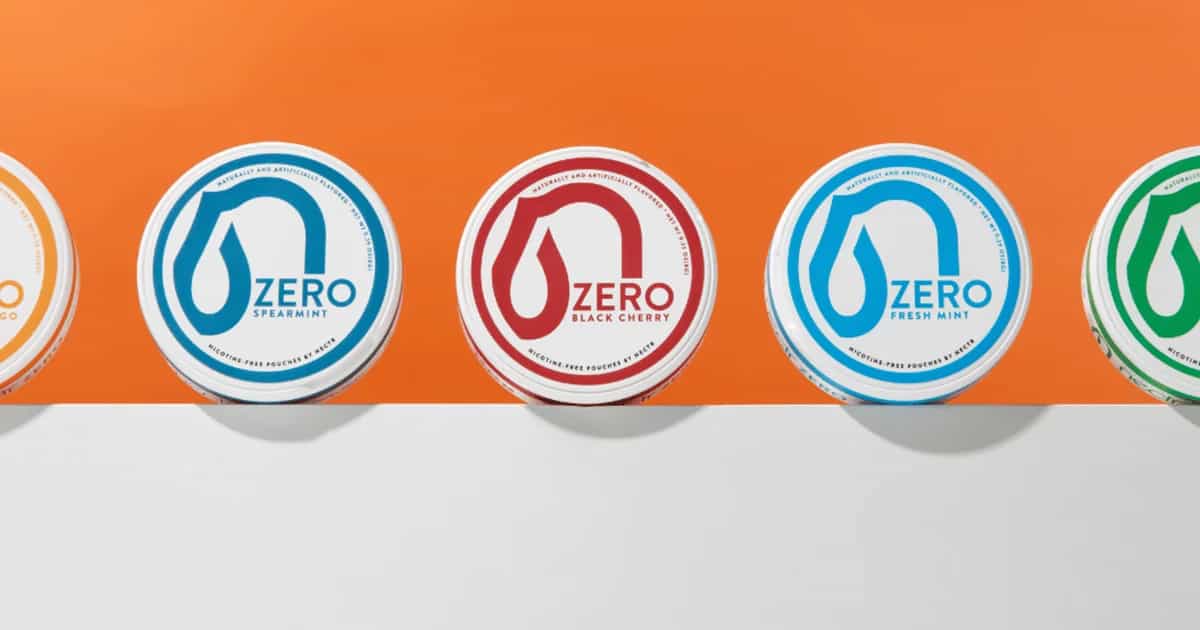
Natural energy boosters are habits, foods, and tools that increase your alertness and stamina without relying on excessive caffeine, sugar, or artificial stimulants. The most effective include optimizing sleep, staying hydrated, exercising regularly, and using controlled-dose caffeine sources like caffeine pouches. Unlike energy drinks that spike and crash, natural energy strategies work with your body's biology to sustain energy throughout the day.
Key Takeaways
Energy Pouches
View All →


- The most powerful natural energy booster is quality sleep — no supplement or hack compensates for chronically poor sleep.
- Dehydration is the most common and most overlooked cause of daily fatigue.
- Low-dose caffeine (30-50 mg) from sources like caffeine pouches provides clean energy without the crash cycle of high-dose alternatives.
- Exercise, cold exposure, and sunlight all trigger measurable increases in alertness and energy through distinct biological pathways.
- Combining multiple strategies (rather than relying on any single one) produces the best sustained energy throughout the day.
Natural Energy Boosters at a Glance
| Method | Onset Time | Duration | Cost | Best For |
|---|---|---|---|---|
| Sleep optimization | 1-7 days (cumulative) | All day | Free | Foundation of all energy |
| Hydration | 15-30 minutes | Ongoing | Free | Afternoon fatigue |
| Caffeine pouches | 10-15 minutes | 4-6 hours | Low | Precise, portable energy |
| Exercise | Immediate | 2-4 hours | Free | Sustained daily energy |
| Cold exposure | Immediate | 1-2 hours | Free | Quick alertness boost |
| Morning sunlight | 30-60 minutes | All day (circadian) | Free | Morning grogginess |
1. Optimize Your Sleep
This is not sexy advice, but it is the single highest-leverage energy intervention available. The National Sleep Foundation recommends 7-9 hours per night for adults. Chronic sleep debt — even losing 1-2 hours per night over a week — impairs cognitive function equivalently to being legally drunk, according to research published in Sleep (Van Dongen et al., 2003).
Practical steps: maintain a consistent sleep and wake time (even on weekends), keep your bedroom cool (65-68 degrees F), eliminate light exposure 30 minutes before bed, and set a caffeine cutoff at least 6 hours before sleep.
2. Stay Hydrated
Even mild dehydration (1-2% body water loss) causes measurable fatigue, reduced concentration, and mood deterioration. A 2012 study in the Journal of Nutrition found that mild dehydration impaired working memory and increased anxiety in young women (Armstrong et al., 2012). Most adults need 2.5-3.5 liters of water daily, adjusted for activity and climate.
If you are reaching for caffeine because you are tired in the afternoon, try drinking 16 ounces of water first. You may be dehydrated, not under-caffeinated.
3. Low-Dose Caffeine (Pouches, Not Mega-Drinks)
Caffeine itself is natural — it is found in coffee beans, tea leaves, and cacao. The problem is not caffeine; it is the delivery method. A 300 mg energy drink with 60 grams of sugar creates a spike-and-crash cycle that leaves you worse off. A 50 mg Nectr Energy Pouch delivers controlled alertness with no sugar, no crash, and no digestive disruption.
For focus-intensive work, Nectr Focus Pouches combine 30 mg caffeine with 62.5 mg Cognizin® Citicoline — a clinically studied nootropic that supports memory and attention through acetylcholine production. It is natural energy paired with cognitive support.
4. Morning Sunlight Exposure
Getting 10-15 minutes of direct sunlight within the first hour of waking triggers a cortisol pulse that sets your circadian rhythm for the day. This natural cortisol peak (distinct from the harmful chronic cortisol from stress) promotes alertness, improves mood, and regulates your sleep-wake cycle so you sleep better at night. Neuroscientist Andrew Huberman has extensively documented this protocol as one of the most effective zero-cost energy interventions.
5. Regular Exercise
Exercise is paradoxically energizing — you expend energy to create more. A meta-analysis of 70 studies published in Psychological Bulletin found that regular exercise increased energy levels and reduced fatigue more effectively than some pharmaceutical interventions (Puetz, 2006). Even a 10-minute walk increases blood flow to the brain and delivers an immediate alertness boost.
6. Cold Exposure
A cold shower, face splash, or outdoor cold exposure triggers a norepinephrine release — the neurotransmitter responsible for alertness and attention. Research shows that cold water immersion increases norepinephrine levels by up to 530% (Shevchuk, 2008). Even 30 seconds of cold water at the end of a warm shower produces a noticeable energy boost that lasts 1-2 hours.
7. Protein-Rich Breakfast
Starting your day with protein (20-30 grams) stabilizes blood sugar and provides sustained amino acid availability for neurotransmitter production. High-sugar breakfasts (cereal, pastries, juice) cause a glucose spike followed by a crash that mimics caffeine withdrawal. Eggs, Greek yogurt, or a protein shake set a stable energy foundation for the morning.
8. Strategic Napping
A 10-20 minute nap between 1-3 PM aligns with your natural circadian dip and can restore alertness for the remainder of the day. NASA research found that a 26-minute nap improved pilot performance by 34% and alertness by 54%. The key is keeping it short — naps longer than 30 minutes risk entering deep sleep, which causes grogginess upon waking (sleep inertia).
9. Reduce Refined Sugar
Refined sugar provides rapid energy followed by a crash that drives you to consume more sugar — a cycle that drains energy over the course of a day. A 2019 meta-analysis in Neuroscience & Biobehavioral Reviews found that sugar consumption actually increased fatigue and reduced alertness within 60 minutes of intake (Mantantzis et al., 2019). Replacing sugary snacks with nuts, fruit, or sugar-free caffeine pouches breaks this cycle.
10. Deep Breathing Exercises
Controlled breathing techniques like box breathing (4 seconds inhale, 4 seconds hold, 4 seconds exhale, 4 seconds hold) activate the parasympathetic nervous system and increase oxygen delivery to the brain. A single 5-minute session can clear brain fog and restore focus during an afternoon slump.
11. Nootropic Supplementation
Compounds like Cognizin® Citicoline support brain energy production through pathways that do not involve stimulation. Citicoline increases ATP (cellular energy) levels in the frontal lobe and supports acetylcholine production — the neurotransmitter directly involved in attention and memory. Nectr Focus Pouches deliver 62.5 mg of Cognizin® per pouch for on-the-go cognitive support.
12. Stress Management
Chronic stress elevates cortisol, which depletes energy reserves and disrupts sleep. Activities that lower stress — meditation, time in nature, social connection, journaling — protect your energy reserves at the source. Think of stress management not as a luxury but as an energy preservation strategy.
Frequently Asked Questions
What is the fastest natural energy boost?
Cold exposure and low-dose caffeine are the two fastest-acting natural energy boosters. A 30-second cold shower triggers an immediate norepinephrine release, while a caffeine pouch delivers alertness in 10-15 minutes via sublingual absorption. Combining both creates a powerful, immediate energy shift.
Can natural energy boosters replace coffee?
For many people, yes. Combining good sleep, hydration, morning sunlight, and low-dose caffeine pouches can provide steadier energy than the coffee spike-and-crash cycle. The key is addressing the root causes of fatigue (sleep debt, dehydration, blood sugar instability) rather than masking them with high-dose stimulants.
How long do natural energy boosters take to work?
It depends on the method. Cold exposure and caffeine pouches work within minutes. Exercise and hydration produce effects within 15-30 minutes. Sleep optimization and stress management are cumulative — you will notice improvements within 3-7 days of consistent practice, with full benefits building over weeks.
Are energy drinks considered natural energy boosters?
No. Most energy drinks contain excessive caffeine (160-300 mg), large amounts of sugar (27-63 g), artificial dyes, and synthetic additives. They produce a spike-and-crash pattern that is the opposite of natural, sustained energy. Low-dose caffeine pouches, while containing caffeine, deliver it in a controlled, sugar-free format that aligns more closely with natural energy principles.