Matcha vs Coffee: Caffeine, Benefits & Which Is Better for You
Matcha contains roughly 70 mg of caffeine per serving compared to coffee's 95 mg, but matcha delivers that caffeine alongside L-catechins and EGCG antioxidants that slow absorption, producing a smoother, longer-lasting energy curve with far less crash or jitter risk. For people who want precise dosing without brewing anything, caffeine pouches offer a third path: 50 mg per pouch, zero prep, and no crash.
Key Takeaways
Energy Pouches
View All →


- One cup of matcha has about 70 mg caffeine; one cup of drip coffee has about 95 mg.
- Matcha's antioxidant profile (EGCG, catechins) is significantly richer than coffee's chlorogenic acid.
- Coffee delivers a sharper caffeine spike; matcha provides a gentler, more sustained release.
- Both have well-documented health benefits, but matcha edges out coffee on antioxidant density.
- Caffeine pouches offer 50 mg with zero prep time and no brewing required.
Caffeine Content: Matcha vs Coffee vs Espresso vs Pouches
The caffeine numbers depend heavily on preparation method, serving size, and quality of the source material. Here is a standardized comparison:
| Metric | Matcha (8 oz) | Drip Coffee (8 oz) | Espresso (1 oz) | Caffeine Pouch |
|---|---|---|---|---|
| Caffeine (mg) | 60–80 | 80–100 | 63 | 50 |
| Antioxidants | Very high (EGCG) | Moderate (chlorogenic acid) | Moderate | N/A |
| Prep Time | 3–5 min (whisk) | 5–10 min (brew) | 1–2 min (machine) | 2 seconds |
| Cost per Serving | $1.50–$3.00 | $0.50–$1.50 | $0.75–$2.00 | ~$1.00 |
| Crash Risk | Low | Moderate–High | Moderate–High | Low |
| Calories | 5 | 2–5 | 1–3 | 0–5 |
Antioxidant Profiles: Why Matcha Wins on Paper
Matcha is made from whole ground tea leaves, which means you consume the entire leaf rather than a brewed extract. This gives matcha up to 137 times the EGCG concentration of standard green tea and roughly 10 times the antioxidants found in a cup of coffee.
Coffee is not antioxidant-free, though. Chlorogenic acid — coffee's primary antioxidant — has been linked to reduced inflammation and improved blood sugar regulation in multiple studies. The difference is concentration: matcha simply delivers more per gram.
The Crash Factor: Why Matcha Feels Different
If you have ever felt jittery or anxious after a large coffee, the culprit is rapid caffeine absorption. Coffee's caffeine hits your bloodstream within 15–20 minutes, peaks at around 45 minutes, and can drop sharply after 2–3 hours.
Matcha's caffeine is bound to catechin molecules that slow intestinal absorption. The result is a gradual rise over 30–60 minutes, a longer plateau, and a gentler decline. Many matcha drinkers describe it as "calm alertness" rather than the wired-then-tired cycle of coffee.
Caffeine pouches take a different route entirely — sublingual absorption through the gum lining bypasses the digestive system, delivering caffeine in 5–10 minutes with a smooth, controlled release similar to matcha but without any brewing.
Health Benefits: Head to Head
Matcha Benefits
- Cognitive function: EGCG supports working memory and attention.
- Metabolic health: Catechins may boost fat oxidation during exercise.
- Cardiovascular: Regular green tea consumption is associated with lower LDL cholesterol.
- Anti-inflammatory: High polyphenol content reduces oxidative stress markers.
Coffee Benefits
- Cognitive function: Caffeine improves alertness, reaction time, and short-term memory.
- Physical performance: Ergogenic effects are well-documented for endurance and power output.
- Liver health: Regular coffee consumption is associated with lower risk of liver disease.
- Neuroprotective: Linked to reduced risk of Parkinson's and Alzheimer's in longitudinal studies.
Cost and Convenience
Coffee is the clear winner on cost — especially if you brew at home. A bag of quality beans runs $0.50–$1.00 per cup. Ceremonial-grade matcha costs $1.50–$3.00 per serving, and cafe-prepared matcha lattes can run $5–$7.
On convenience, neither can match a caffeine pouch. No water, no equipment, no cleanup. Tuck one in, get 50 mg of caffeine in about 5 minutes, and toss the used pouch. It is the most portable caffeine format available.
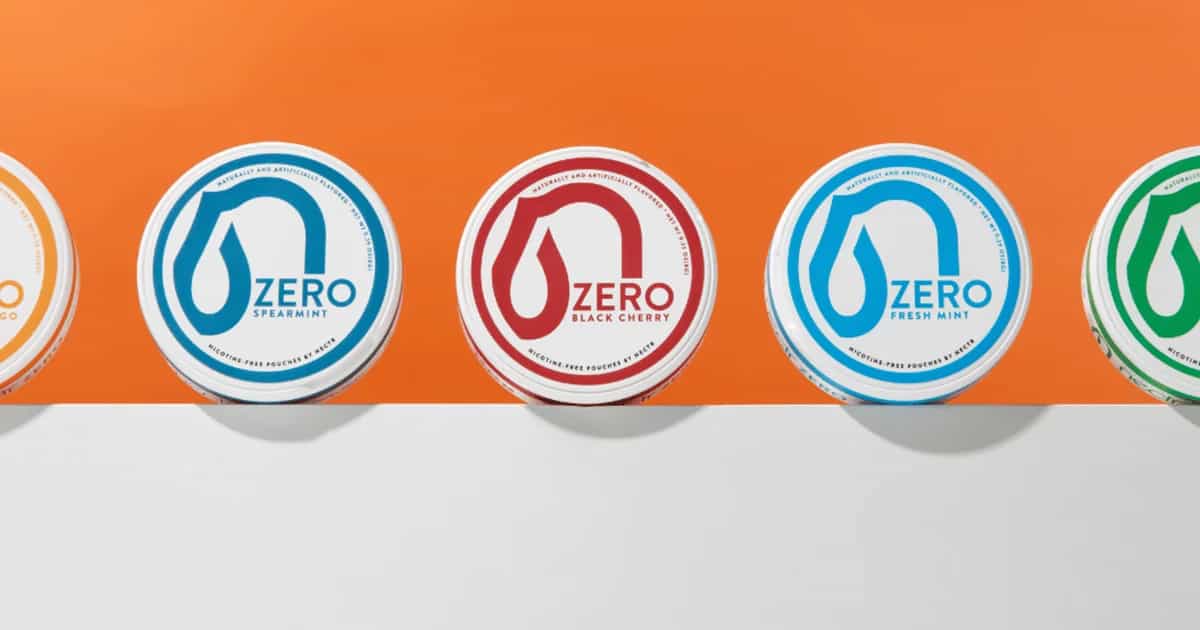
Nectr Energy Pouches deliver 50 mg caffeine with zero prep time. Or try Focus Pouches with Cognizin® for cognitive support. Build a bundle and save up to 35% on your first order, then 25%.
When to Choose Matcha, Coffee, or a Pouch
- Choose matcha if you want high antioxidants, a calm energy curve, and enjoy the ritual of preparation.
- Choose coffee if you want maximum caffeine per dollar, love the taste, and do not mind the occasional crash.
- Choose a caffeine pouch if you want precise dosing, zero prep, total portability, and no stained teeth.
Frequently Asked Questions
Does matcha have more caffeine than coffee?
No. A standard 8 oz cup of matcha contains about 70 mg of caffeine, while an 8 oz cup of drip coffee contains about 95 mg. However, matcha delivers its caffeine more gradually due to catechin binding, which creates a longer-lasting energy effect that some people prefer.
Is matcha healthier than coffee?
Both are healthy in moderation. Matcha has a significantly higher antioxidant density (particularly EGCG), while coffee has stronger research backing for liver health and neuroprotection. The "healthier" choice depends on which specific benefits matter most to you.
Why doesn't matcha give you jitters?
Matcha's caffeine is bound to catechin molecules that slow its absorption in the intestines. This creates a gradual caffeine release over several hours rather than the sharp spike-and-crash pattern typical of coffee. The result is sustained alertness without the jittery, anxious feeling.
Can you switch from coffee to matcha?
Yes, but expect a 1–2 week adjustment period. Matcha has about 25% less caffeine per serving than coffee, so you may notice slightly less initial alertness. Many people compensate by using two servings of matcha or supplementing with a caffeine pouch during the transition.
What has more antioxidants — matcha or coffee?
Matcha, by a wide margin. Because you consume the whole ground leaf rather than a brewed extract, matcha delivers up to 10 times more antioxidants per serving than coffee. Matcha's EGCG content alone surpasses coffee's total polyphenol count in most studies.