
How to Quit Vaping: Complete Step-by-Step Guide
Short answer: Quitting vaping requires a plan that addresses both the physical nicotine addiction and the behavioral habit. The most effective approach combines gradual nicotine reduction, behavioral replacement strategies (like switching to nicotine-free pouches), and social support. Most withdrawal symptoms peak at 3-5 days and significantly improve within 2-4 weeks.
Why Quitting Vaping Is Hard (But Not Impossible)
Vaping delivers nicotine to your brain faster than almost any other method. Modern pod systems and disposable vapes can contain as much nicotine as an entire pack of cigarettes, and the ease of use means many vapers consume nicotine throughout the day — at their desk, in bed, even in the bathroom. This constant exposure creates deep physical dependency and deeply ingrained behavioral patterns.
But millions of people quit every year. Understanding what you are up against makes the process manageable. Quitting vaping involves three overlapping challenges: chemical withdrawal, habit disruption, and identity shift.
Step 1: Set Your Quit Date and Strategy
Pick a date 1-2 weeks out. This gives you time to prepare without losing momentum. Two main approaches work:
Cold Turkey
Stop completely on your quit date. This approach works best for people who prefer clean breaks and have strong willpower. The withdrawal is more intense but shorter — most physical symptoms resolve within 7-10 days. About 3-5% of cold-turkey attempts succeed long-term without additional support.
Gradual Reduction
Lower your nicotine strength every 1-2 weeks. If you vape 50mg salt nic, step down to 35mg, then 20mg, then 10mg, then 5mg, then 0mg. This approach produces milder withdrawal at each step. It requires discipline — the temptation is to go back up when stress hits. Success rates improve significantly when combined with behavioral strategies.
Step 2: Understand the Withdrawal Timeline
Knowing what to expect removes fear and helps you push through the worst days.
| Timeline | Common Symptoms | What to Do |
|---|---|---|
| Hours 1-24 | Cravings, irritability, anxiety, restlessness | Stay busy. Exercise. Drink water. Use oral substitutes. |
| Days 2-3 | Peak cravings, headaches, difficulty concentrating, insomnia | This is the hardest part. Remind yourself it's temporary. |
| Days 4-7 | Cravings less frequent, brain fog, mood swings, increased appetite | Cravings now come in waves. Each wave lasts 3-5 minutes. |
| Weeks 2-4 | Occasional cravings, improving concentration, better sleep returning | Physical dependency is mostly broken. Focus on habits. |
| Months 2-3 | Rare cravings (triggered by situations), normalized mood and energy | Build new routines around trigger situations. |
Step 3: Address the Oral Fixation
This is where most vaping cessation guides fall short. Nicotine is only half the addiction — the hand-to-mouth motion and the oral sensation are deeply conditioned habits. Your brain has linked the physical act of vaping with stress relief, focus, and reward.
Effective oral fixation replacements include:
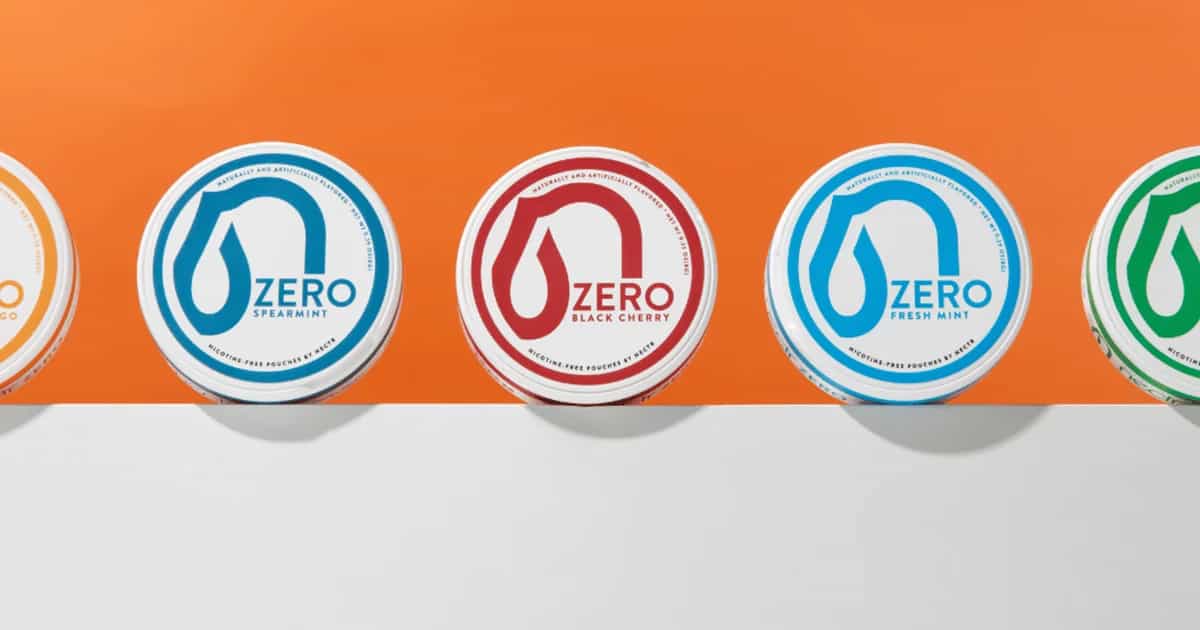
- Nicotine-free pouches: Nectr Zero pouches replicate the oral sensation of having something between your lip and gum without nicotine. This satisfies the physical habit while you break the chemical dependency.
- Sugar-free gum or mints: Chewing gives your mouth something to do, though it doesn't replicate the tucked-pouch sensation.
- Toothpicks or straws: Simple but effective for the hand-to-mouth component.
- Sunflower seeds: The cracking and chewing keep your mouth busy.
The advantage of pouches over other oral substitutes is that they replicate the closest physical sensation to what nicotine pouch and vape users are accustomed to — something placed in the mouth that delivers a sensation over time.
Step 4: Manage Cravings in Real Time
Each craving lasts 3-5 minutes. That is it. If you can get through 3-5 minutes, the craving will pass. Here are evidence-based techniques:
The 4 D's
- Delay: Wait 5 minutes before acting on any craving. Most will pass.
- Deep breathe: Slow, deep breaths (4 seconds in, 7 seconds hold, 8 seconds out) activate your parasympathetic nervous system and reduce the anxiety that drives cravings.
- Drink water: Dehydration amplifies cravings. Keep water nearby at all times.
- Do something else: Walk, call someone, do pushups — any physical activity interrupts the craving circuit.
Exercise
Even 10 minutes of moderate exercise reduces nicotine cravings for up to 50 minutes. This is one of the most powerful tools available, and it is free. A brisk walk, a set of bodyweight exercises, or a short jog can break through the worst craving waves.
Step 5: Optimize Your Environment
Remove all vaping devices, pods, e-liquid, and chargers from your home, car, and workspace. Clean areas where you used to vape — the visual and olfactory cues trigger cravings. Tell friends who vape that you are quitting and ask them not to vape around you during the first few weeks.
Identify your trigger situations (morning coffee, driving, after meals, stress at work, social drinking) and build specific plans for each one. If your morning coffee triggers a vape craving, switch to tea temporarily or change your morning routine entirely.
Step 6: Consider Nicotine Replacement Therapy (NRT)
If cold turkey feels impossible, FDA-approved NRT products can help:
- Nicotine patches: Provide steady, low-level nicotine throughout the day. Good for baseline craving management.
- Nicotine gum (2mg or 4mg): On-demand craving relief. Chew slowly and park between cheek and gum.
- Nicotine lozenges: Dissolve in the mouth for on-demand relief. Similar to gum but without the chewing.
The goal with NRT is to separate the behavioral habit from the chemical dependency, then taper off the NRT over 8-12 weeks. NRT roughly doubles quit success rates compared to going unassisted.
Step 7: Build Long-Term Habits
The first 30 days break the physical dependency. The following months build the new identity. Replace the role vaping played in your life:
- For stress relief: Meditation apps, exercise, deep breathing, Nectr Zero pouches for oral comfort.
- For focus: Nectr Focus pouches with Cognizin® Citicoline provide cognitive support without nicotine.
- For energy: Nectr Energy pouches with 50mg caffeine offer a clean boost.
- For social situations: Having a nicotine-free pouch in means you still participate in the ritual without relapsing.
Replace the Habit, Not Just the Nicotine
Nectr Zero pouches satisfy the oral fixation without nicotine, caffeine, or any stimulant — perfect for the quitting journey.
What If You Relapse?
Relapse is not failure — it is data. Most successful quitters needed 6-8 attempts before quitting permanently. If you slip, do not spiral. Throw away the device, identify what triggered the relapse, build a plan for that specific trigger, and start again immediately. Each attempt strengthens the neural pathways for quitting.
Frequently Asked Questions
How long does it take to quit vaping?
Physical nicotine withdrawal peaks at days 3-5 and largely resolves within 2-4 weeks. The behavioral habit takes 2-3 months to fully rewire. Most people feel significantly better within 30 days.
What are the benefits of quitting vaping?
Within 24 hours, your heart rate normalizes. Within 2 weeks, lung function begins improving. Within 1-3 months, circulation improves and exercise becomes easier. Within a year, your risk of heart disease drops significantly. You will also save $1,000-3,000+ per year.
Is quitting vaping harder than quitting cigarettes?
Many people report that quitting vaping is harder due to higher nicotine concentrations in modern devices, the ease of use (you can vape anywhere), and the lack of the social stigma that motivates cigarette quitters. The withdrawal symptoms are similar, but the behavioral patterns are often more deeply embedded.
Can pouches help you quit vaping?
Yes. Nicotine-free pouches like Nectr Zero address the oral fixation component of vaping addiction. They give your mouth something to do while your brain rewires away from nicotine. Many former vapers find that an oral substitute is the missing piece in their quit plan.
Should I switch to nicotine pouches to quit vaping?
Switching to nicotine pouches (Zyn, Velo, etc.) eliminates the inhalation risks of vaping but maintains nicotine dependency. It is a harm-reduction step, not a quit strategy. For a complete quit, consider stepping down nicotine strength in pouches over time, then transitioning to nicotine-free options.