How to Get Energy Without Caffeine: 12 Science-Backed Methods
Short answer: The most effective caffeine-free energy methods are cold exposure, exercise, bright light therapy, Cognizin® Citicoline, power naps, adaptogens, hydration, sleep optimization, breathing techniques, strategic nutrition, micro-breaks, and caffeine-free nootropic pouches. Each works through a distinct biological pathway, and several can boost energy within minutes.
Why You Might Want Energy Without Caffeine
Energy Pouches
View All →


Caffeine is effective, but it's not for everyone. Some people metabolize it slowly (a genetic trait), leading to anxiety, insomnia, and jitters even at low doses. Others want to cycle off caffeine to reset tolerance. Pregnant women are advised to limit intake. And some simply prefer not to rely on a stimulant.
Whatever your reason, these 12 methods produce real, measurable energy boosts through mechanisms that don't involve caffeine at all.
12 Science-Backed Methods for Caffeine-Free Energy
1. Cold Exposure (Cold Showers, Cold Plunge)
Cold water immersion triggers a massive norepinephrine release — up to 200–300% above baseline, according to a 2000 study in the International Journal of Circumpolar Health. Norepinephrine is the brain's alertness neurotransmitter. A 2–3 minute cold shower produces an energy boost that can last 2–3 hours, with no crash.
Protocol: Start with 30 seconds of cold water at the end of your shower. Build to 2–3 minutes over weeks.
2. Exercise (Even 10 Minutes)
Physical activity increases blood flow to the brain by 15–25%, delivers oxygen and glucose, and triggers endorphin and BDNF release. A 2017 meta-analysis in Brain Plasticity found that just 10 minutes of moderate exercise significantly improved energy levels and cognitive performance for up to 2 hours.
Protocol: 10-minute brisk walk, bodyweight circuit, or stair climbing. Morning exercise is most effective for all-day energy.
3. Bright Light Therapy
Bright light (10,000 lux) suppresses melatonin and activates the suprachiasmatic nucleus — your master circadian clock. This is the same system that makes you alert when the sun rises. A light therapy lamp for 20–30 minutes in the morning can dramatically improve energy, especially in winter or for people who work indoors.
Protocol: 10,000 lux light therapy lamp, 20–30 min within the first hour of waking. Position 12–18 inches from your face.
4. Cognizin® Citicoline (Caffeine-Free Nootropic)
Cognizin® Citicoline supports mental energy through phospholipid synthesis and mitochondrial function — not through stimulation. It increases cerebral blood flow and ATP production in the brain. A study published in Nutritional Neuroscience found that Cognizin® improved mental energy and reduced fatigue without any stimulant effects. It's completely caffeine-free.
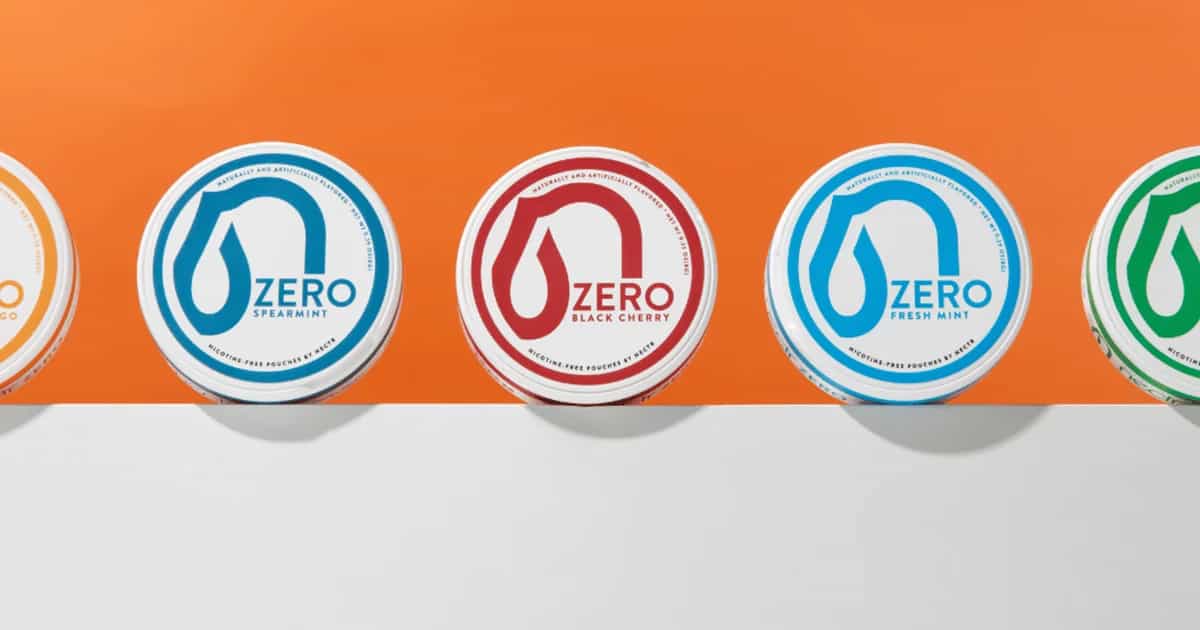
Protocol: 250–500 mg/day. Available standalone or in Nectr Zero Pouches (nootropics, no caffeine, no nicotine).
5. Power Naps (10–20 Minutes)
A 10–20 minute nap clears adenosine (the sleepiness molecule), restores prefrontal cortex function, and improves alertness for 2–4 hours. NASA research found that a 26-minute nap improved pilot performance by 34% and alertness by 54%. The key: set an alarm. Naps longer than 30 minutes cause sleep inertia (grogginess).
Protocol: 10–20 minutes, ideally between 1–3 PM. Set an alarm. Lie flat if possible.
6. Adaptogens (Rhodiola, Ashwagandha)
Adaptogens modulate the stress response (HPA axis), reducing cortisol-driven fatigue. Rhodiola rosea has the strongest evidence for anti-fatigue effects — a 2012 systematic review confirmed significant improvements in physical and cognitive fatigue. Ashwagandha reduces cortisol by 23–30% in clinical trials, indirectly boosting perceived energy.
Protocol: 200–400 mg Rhodiola or 300–600 mg Ashwagandha daily, with food.
7. Hydration
Even mild dehydration (1–2% body weight) impairs cognitive function and energy. A 2012 study in the Journal of Nutrition found that dehydration significantly worsened mood, increased fatigue, and impaired concentration in young women. Most people don't drink enough water in the morning hours.
Protocol: 16–20 oz water within 30 minutes of waking. Aim for half your body weight in ounces daily.
8. Sleep Optimization
No supplement or technique compensates for poor sleep. Sleep quality matters more than quantity. Key optimizations: consistent wake time (even weekends), dark and cool bedroom (65–68°F), no screens 60 minutes before bed, and morning light exposure to set your circadian rhythm.
Protocol: Same wake time 7 days/week. Bedroom: dark, 65–68°F. Track sleep stages with a wearable.
9. Breathing Techniques (Box Breathing, Cyclic Hyperventilation)
Controlled breathing directly modulates the autonomic nervous system. Cyclic hyperventilation (like the Wim Hof method) increases norepinephrine and adrenaline, producing a stimulant-like effect without any substance. Box breathing (4-4-4-4) reduces stress while maintaining alertness.
Protocol: Cyclic hyperventilation for energy: 30 deep breaths, hold on exhale for 15–30 sec, repeat 3 rounds. Takes 5 minutes.
10. Strategic Nutrition
Blood sugar crashes are the most common cause of afternoon energy dips. High-glycemic meals (white bread, sugary snacks) cause a spike-and-crash pattern. Prioritize protein + healthy fats + complex carbs at each meal. Specific energy-supporting nutrients: B-vitamins, iron, and CoQ10.
Protocol: Each meal: 20–30 g protein + healthy fat + fiber-rich carbs. Avoid refined sugar on empty stomach.
11. Micro-Breaks (Pomodoro Technique)
Cognitive fatigue is often mistaken for physical tiredness. The brain's sustained attention circuits fatigue after 25–50 minutes of focused work. Short breaks (5–10 minutes) allow these circuits to recover. The Pomodoro Technique (25 min work / 5 min break) is the most widely used implementation.
Protocol: 25 min focus, 5 min break (stand, stretch, walk). After 4 cycles, take a 15–30 min break.
12. Zero Pouches (Nootropics Without Caffeine)
Nectr Zero Pouches deliver nootropic ingredients sublingually — without caffeine, without nicotine, without any stimulants. They provide a mild focus and alertness boost through Cognizin® Citicoline and other nootropic compounds. Ideal for people who are caffeine-sensitive, cycling off caffeine, or who want an oral habit without stimulation.
Protocol: 1–4 pouches/day as needed. Sublingual absorption in 5–10 minutes.
Energy Methods Compared
| Method | Evidence Strength | Effort | Onset | Cost | Duration |
|---|---|---|---|---|---|
| Cold exposure | Strong | High | Immediate | Free | 2–3 hours |
| Exercise (10 min) | Strong | Moderate | 5–10 min | Free | 2–4 hours |
| Bright light therapy | Strong | Low | 20–30 min | $30–50 (lamp) | All morning |
| Cognizin® Citicoline | Strong | Low | 1–2 weeks (daily) | $25–35/mo | All day |
| Power nap | Strong | Low | 10–20 min | Free | 2–4 hours |
| Adaptogens | Moderate | Low | 30–60 min | $15–25/mo | 4–8 hours |
| Hydration | Strong | Low | 15–30 min | Free | Ongoing |
| Sleep optimization | Very strong | High | 1–2 weeks | Free | All day |
| Breathing techniques | Moderate | Low | 2–5 min | Free | 30–90 min |
| Strategic nutrition | Strong | Moderate | 30–60 min | Varies | 3–5 hours |
| Micro-breaks | Moderate | Low | Immediate | Free | Per session |
| Zero Pouches | Strong (ingredients) | Low | 5–10 min | $20–35/mo | 1–3 hours |
Nectr Zero Pouches deliver nootropic focus with zero stimulants. Perfect for caffeine-sensitive people or caffeine cycling. Build a bundle and save up to 35% on your first order, then 25%.
Building a Caffeine-Free Energy Protocol
The most effective approach combines multiple methods that target different energy systems:
- Morning: Bright light (20 min) + cold shower (2 min) + hydration (16 oz water) + Zero Pouch
- Work blocks: 25-min Pomodoro cycles + Zero Pouch for sustained focus
- Afternoon dip: 10-min walk + breathing exercise OR 15-min power nap
- Daily foundations: Sleep optimization + strategic nutrition + adaptogens
Most people who follow this protocol report energy levels comparable to or better than their caffeine-dependent baseline — without the crashes, tolerance buildup, or afternoon anxiety.
Frequently Asked Questions
Why am I always tired even with enough sleep?
Chronic fatigue despite adequate sleep duration usually points to one of five causes: poor sleep quality (disrupted deep sleep), nutrient deficiencies (iron, magnesium, or B-vitamins), chronic dehydration, blood sugar dysregulation, or an underlying health condition (thyroid, sleep apnea). If fatigue persists for more than 2 weeks, see your doctor for bloodwork.
What gives you energy besides caffeine?
Cold exposure, exercise, and bright light therapy are the three most powerful non-caffeine energy boosters, all with strong evidence. For supplemental support, Cognizin® Citicoline and Rhodiola rosea improve mental energy through non-stimulant pathways. Nectr Zero Pouches offer nootropic support with zero caffeine.
Are there nootropic pouches without caffeine?
Yes. Nectr Zero Pouches contain nootropic ingredients like Cognizin® Citicoline with no caffeine and no nicotine. They're designed for people who want cognitive support without stimulation — whether that's because you're caffeine-sensitive, cycling off caffeine, or just prefer stimulant-free focus.
Do cold showers actually give you energy?
Yes, and the science is clear. Cold water exposure increases norepinephrine by 200–300%, producing a powerful alertness effect that lasts 2–3 hours. A 2–3 minute cold shower triggers a sympathetic nervous system response that's comparable to a moderate dose of caffeine — without tolerance buildup or sleep disruption. The effect is immediate and consistent.
Can I combine these methods with caffeine?
Absolutely. These methods aren't anti-caffeine — they're independent energy systems. Cold showers, exercise, light therapy, and nootropics all stack well with caffeine for people who want to reduce their caffeine intake rather than eliminate it. You might switch from 3 cups of coffee to 1 cup plus a cold shower and light therapy.