
How Much Caffeine Is Too Much? Daily Limits Explained
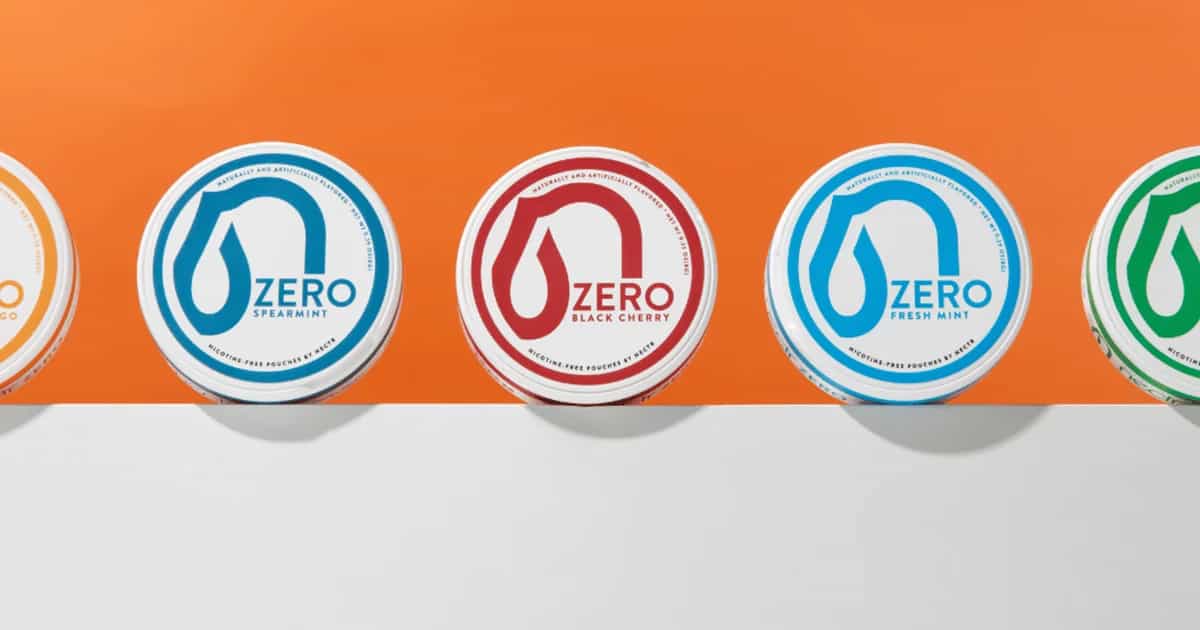
How much caffeine is too much? According to the FDA, up to 400 mg of caffeine per day is generally safe for healthy adults — roughly equivalent to four 8-ounce cups of brewed coffee or eight Nectr Energy Pouches. Consuming more than 400 mg regularly can cause jitters, insomnia, elevated heart rate, and digestive issues. Individual tolerance varies significantly based on genetics, body weight, medication interactions, and habitual use.
Key Takeaways
Energy Pouches
View All →


- The FDA's recommended daily maximum for healthy adults is 400 mg of caffeine — about four standard cups of coffee.
- Caffeine sensitivity varies widely. Some people feel effects at 50 mg, while others tolerate 300 mg with no issues.
- Common signs you have had too much: jitters, rapid heartbeat, anxiety, stomach upset, and difficulty sleeping.
- Caffeine overdose requiring medical attention is rare but possible at doses above 1,200 mg — typically from supplements or highly concentrated products, not beverages or pouches.
- Tracking your intake from all sources (coffee, tea, soda, energy drinks, pouches, chocolate) is the key to staying in the safe zone.
How Much Caffeine Is in Common Sources?
Most people drastically underestimate their daily caffeine intake because they do not realize how much caffeine is in the things they consume. Here is a comprehensive reference table:
| Source | Serving Size | Caffeine (mg) |
|---|---|---|
| Brewed coffee | 8 oz | 80-100 |
| Starbucks Grande drip coffee | 16 oz | 310 |
| Espresso shot | 1 oz | 63 |
| Black tea | 8 oz | 40-70 |
| Green tea | 8 oz | 25-45 |
| Cola | 12 oz | 30-40 |
| Standard energy drink | 16 oz | 160-300 |
| Pre-workout supplement | 1 scoop | 150-400 |
| Dark chocolate | 1 oz | 12-25 |
| Nectr Energy Pouch | 1 pouch | 50 |
| Nectr Focus Pouch | 1 pouch | 30 |
| Caffeine pill | 1 tablet | 100-200 |
Notice the massive range. A single Starbucks Grande (310 mg) nearly hits three-quarters of the daily limit on its own. Meanwhile, a Nectr Energy Pouch at 50 mg gives you precise control — you would need to use eight to reach 400 mg. That precision is one of the core safety advantages of pouch-based caffeine delivery.
What Are the Signs You Have Had Too Much Caffeine?
Your body gives clear signals when you have crossed your personal caffeine threshold. Common symptoms of excessive caffeine consumption include:
- Jitteriness and restlessness: Your hands might shake slightly, you feel fidgety, and you cannot sit still. This is caffeine's stimulation of your central nervous system going past the useful range.
- Rapid or irregular heartbeat: Caffeine increases heart rate and can cause palpitations at high doses. If you experience persistent heart irregularities, stop consuming caffeine and consult a doctor.
- Anxiety and irritability: Caffeine stimulates adrenaline release. Too much can push you from "alert" to "anxious" quickly, especially in people predisposed to anxiety.
- Stomach upset: Caffeine increases stomach acid production. Overconsumption can cause nausea, cramping, or acid reflux — particularly when consumed on an empty stomach.
- Insomnia: If you are consuming caffeine too late in the day or too much overall, it will wreck your sleep. And poor sleep makes you need more caffeine the next day, creating a vicious cycle.
According to the Journal of Clinical Sleep Medicine, caffeine consumed even 6 hours before bedtime significantly reduces total sleep time and sleep quality (Drake et al., 2013). If you are having trouble sleeping, your caffeine intake is the first variable to audit.
Who Is More Sensitive to Caffeine?
The 400 mg guideline is a population average. Individual caffeine metabolism varies by up to 40x based on genetic differences in the CYP1A2 enzyme, which is responsible for processing caffeine in the liver. Some people are "fast metabolizers" who clear caffeine quickly, while "slow metabolizers" feel the effects for much longer at lower doses.
Groups that are typically more sensitive or should consume less caffeine:
- Pregnant women: Limited to 200 mg/day per ACOG guidelines
- Adolescents: Limited to 100 mg/day per the American Academy of Pediatrics
- People on certain medications: Some antibiotics, antidepressants, and heart medications slow caffeine metabolism
- Individuals with anxiety disorders: Caffeine can amplify anxiety symptoms
- Those with GERD or acid reflux: Caffeine stimulates stomach acid production
If you fall into any of these categories, the low-dose precision of Nectr Focus Pouches (30 mg caffeine) or the zero-caffeine option of Nectr Zero gives you safer alternatives without abandoning the pouch format entirely.
How to Track and Manage Your Daily Caffeine Intake
The simplest approach: add up all your caffeine sources in a typical day and see where you land relative to 400 mg. Most people are surprised to find they are either well over the limit or could optimize their intake for better energy throughout the day.
Practical strategies for staying in the safe zone:
- Audit your current intake. Use the table above to calculate your average daily caffeine consumption from all sources.
- Switch high-dose sources for controlled ones. Replacing a 310 mg Grande coffee with 2-3 Nectr Energy Pouches spread throughout the morning gives you 100-150 mg over several hours instead of one massive spike.
- Set a cutoff time. No caffeine within 6 hours of bedtime. Period.
- Use caffeine-free options in the evening. Nectr Zero gives you the pouch ritual without any caffeine, making it a clean switch after your cutoff.
Frequently Asked Questions
Can you overdose on caffeine?
Technically yes, but it is extremely difficult with normal beverages, food, or pouches. Caffeine overdose typically requires consuming 1,200 mg or more in a short period — the equivalent of 24 Nectr Energy Pouches at once. Most documented cases involve pure caffeine powder or highly concentrated caffeine supplements, not typical consumer products. If you ever experience chest pain, vomiting, or seizures after caffeine, seek emergency medical attention.
Does caffeine tolerance affect how much is too much?
Yes. Regular caffeine consumers develop tolerance, meaning they need more caffeine to achieve the same alertness effect. However, tolerance does not change the cardiovascular and sleep-related side effects — your heart and brain still respond to high doses even if you do not "feel" the stimulation. The 400 mg ceiling applies regardless of your tolerance level.
Is decaf coffee truly caffeine-free?
No. Decaf coffee typically contains 2-15 mg of caffeine per cup. While this is negligible for most people, it can add up if you drink multiple cups and should be factored into your daily total if you are caffeine-sensitive.